If you’ve ever stepped into a rubber product shop, sorted through raw materials for a toy project, or worked with something that feels squishy yet tough, you’ve probably heard the terms TPE and TPR thrown around. And if you’re a buyer who’s sourcing for a specific compound for your latest part, you might have found yourself Googling, “Wait, are TPE and TPR the same? Or am I overcomplicating this?” As a TPE and TPR compounds supplier, I get this question all the time—so let’s break it down like we’re chatting over a coffee, not in a stuffy lab manual. TPE and TPR Compounds
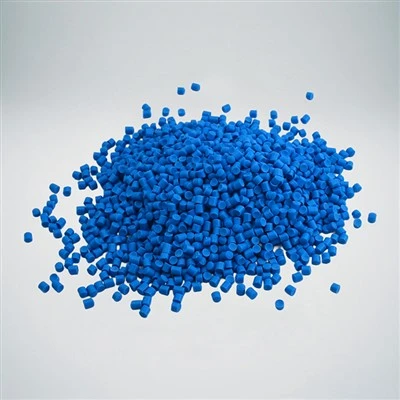
First off, let’s clear up the biggest confusion: a lot of folks use TPE and TPR interchangeably, and for good reason. They’re both thermoplastic elastomers, right? Which means they behave like rubber when you bend or stretch ’em, but melt and mold like plastic when you heat ’em up. No need for vulcanization the way you do with traditional rubber (that’s the messy process of cross-linking rubber molecules to make ’em stretchy and durable—think of it as the old-school “lock-in” that makes rubber stay rubber). But the subtle differences between these two guys make all the difference for your project, so let’s dive in.
Let’s start with TPE, which stands for Thermoplastic Elastomer. It’s an umbrella term for a whole family of materials—think of it like how “fruit” includes apples, bananas, and grapes. TPE covers everything from styrenic-based ones (like TPS) to olefinic (TPO), urethane (TPU), and more. Here’s the thing about TPE: it’s designed to have a broader set of properties, depending on the formula. It can be soft as a marshmallow or firm as a phone case. It’s got good chemical resistance, which means it holds up against things like oils, mild acids, or even common household cleaners. That’s why you’ll find TPE in things like sealants for kitchen appliances, overmolds for power tools, or even the grips on your favorite water bottle. Another plus: TPE is super easy to recycle, which is a big win for brands looking to hit sustainability goals these days.
Now TPR—Thermoplastic Rubber. Wait, that sounds similar, right? Here’s the key: TPR is actually a subset of TPE, specifically the styrenic-based ones (TPS). So all TPR is TPE, but not all TPE is TPR. That’s the core mix-up right there. TPR is formulated to be extra rubber-like—more elastic, softer, and with a feel that’s closer to traditional natural rubber. It’s got great elongation, meaning it can stretch a lot without breaking, and it bounces back quickly, which is why you’ll see it in things like toy parts, shoe soles, or even the seals on baby bottle nipples (wait, no—wait, some baby nipples use TPE too, but TPR is the softer, springier version). TPR is also usually cheaper to manufacture than other TPE types, which makes it popular for high-volume, low-cost products. But here’s the catch: TPR doesn’t hold up as well to chemicals as other TPEs. If your product will be exposed to oils or harsh cleaners, TPR might break down faster than a more specialized TPE.
Let’s talk about how they’re processed, because that’s a big one for suppliers like me. Both are thermoplastic, so you can injection mold, extrusion mold, or blow mold them—same as plastic. But TPR, being a styrenic TPE, has a lower processing temperature, usually between 150°C and 200°C. That makes it easier and cheaper to process, especially for small to medium runs, because you don’t need as much energy. TPE, depending on the type, can need higher temps—like TPU might go up to 220°C to 250°C. That’s not a huge deal, but if your production line is already set up for lower temps, TPR might be the no-fuss choice.
Now, let’s get into real-world use cases, because that’s what matters most when you’re sourcing. Let’s say you’re making a children’s bath toy. You need something soft, non-toxic, able to withstand being submerged in water, and maybe a little stretchy so a kid can’t tear it easily. A lot of bath toys use TPR because it’s affordable, soft, and safe (as long as it’s food-grade compliant, which most of our TPR compounds are). But if you’re making a seal for a industrial pump that gets exposed to hydraulic oil every day? TPR won’t hold up. You’d need a specialized TPE, like a urethane-based TPE (TPU), which has way better oil resistance. That’s where choosing the right compound matters—pick the wrong one, and your product will fail way sooner than it should.
Another thing people ask about: feel. TPR has that super “rubbery” grip that’s almost tacky, which is why it’s great for shoe soles or tool handles. It sticks a little to your skin, which makes it feel more secure. TPE, on the other hand, can be more matte or slippery, depending on the formula. If you’re making a phone grip, maybe a TPE with a matte finish is better than TPR, because it won’t collect dirt as easily. If you’re making a bicycle handle grip, TPR’s tacky feel might be perfect for keeping your hands from slipping, even if you’re sweating.
Now, as a supplier, I’ll be honest: a lot of customers come to me saying they need TPR, but when we dig into their project, they actually need a TPE. Or vice versa. Last month, a customer came in wanting a compound for a food container lid seal. They initially thought TPR would work because it’s cheap, but when we tested TPR against the dish soap they use to clean the containers, the TPR swelled up and lost its elasticity after a few weeks. We recommended a food-grade olefinic TPE (TPO) instead, which held up way better. That’s why we don’t just sell you a compound—we ask questions: what’s your product used for? What chemicals will it touch? What’s your volume and budget? Because one size doesn’t fit all here.
Wait, let’s clear up another myth: both TPE and TPR can be manufactured to be biocompatible, which is huge for medical or baby products. But again, not all are. You have to look for grades that are FDA-approved or compliant with things like REACH regulations. That’s a big part of what we do here—we carry a range of both TPE and TPR compounds, all tested for specific applications, so you don’t have to guess if it’s safe for your product.
Let’s talk durability, too. Traditional rubber (like natural rubber or silicone) can be durable, but it’s harder to mold and more expensive for complex parts. TPE and TPR are better for complex shapes, like overmolding plastic parts with a soft grip—think of a toothbrush handle, where the hard plastic base is overmolded with a soft TPE or TPR for grip. TPR is better for that soft overmold if you want a super rubbery feel, but TPE can be formulated to match the hardness of whatever plastic you’re bonding it to.
So to recap the key differences, let’s make it simple:
- TPE is a big family of thermoplastic elastomers; TPR is a small subset of TPE (styrenic-based ones).
- TPR is softer, tackier, cheaper, and has great elasticity, but worse chemical resistance than most other TPEs.
- TPE covers a wider range of properties—harder, more chemical-resistant, more customizable for specific needs, and can fit more use cases, but might be more expensive depending on the grade.
- Processing: TPR needs lower temps, which is easier on production lines, while other TPEs might need higher temps but offer better performance.
Now, here’s the thing: when you’re sourcing, don’t just fixate on the name. A lot of suppliers will call a compound TPR even if it’s a modified TPE, or vice versa. That’s why working with a supplier who can walk you through the specs, test your application, and match you to the right compound is way more important than just searching for “TPR suppliers near me” or “TPE compounds.”
If you’re gearing up for a new product, or you’re having issues with a compound that’s failing, don’t waste time guessing. We’ve been helping manufacturers pick the right TPE and TPR compounds for years—from toy makers to automotive parts suppliers to medical device companies. Whether you need a soft TPR for shoe soles, a chemical-resistant TPE for industrial seals, or something in between, we’ve got options, and we can help you find the exact fit for your budget and needs.
If you’re ready to chat through your project, send over your specs, or just ask a question, reach out. We’re here to make sure you get the right material, no guesswork required.
Power Cable Compounds References:
- "Thermoplastic Elastomers: An Overview" – Plastics Technology Association, 2022
- "Comparing TPE vs. TPR Properties for Industrial Applications" – Journal of Polymer Science and Engineering, 2021
- "FDA Compliance Guidelines for Thermoplastic Elastomers" – U.S. Food and Drug Administration, 2023
- "Styrenic TPR: Manufacturing and Use Cases" – International Rubber Research and Development Board, 2020
Opta New Materials (Jiangsu) Co., Ltd.
As one of the most professional TPE and TPR compounds manufacturers and suppliers in China, we also support customized service. We warmly welcome you to buy bulk durable TPE and TPR compounds from our factory. If you have any enquiry about free sample, please feel free to email us.
Address: No.80, Jingang Avenue, Zhenjiang New Area, Zhenjiang City, Jiangsu Province, China.
E-mail: le.yin@optachem.com
WebSite: https://www.optanewmaterials.com/
