Alright, let’s cut to the chase—if you’re a hot oil boiler owner or someone in the market for one, you’ve definitely asked this question: how long do these things actually last? I get it, because I’ve been on the supplier side for hot oil boilers for over 12 years now. I’ve fielded this exact call or email at least once a week, sometimes twice. Folks want to know if their existing boiler is on its last legs, or if the one they’re eyeing will pay for itself before it dies. Let’s break this down like we’re chatting over a coffee (or a break room soda, let’s be real) no stuffy industry jargon. Hot Oil Boiler
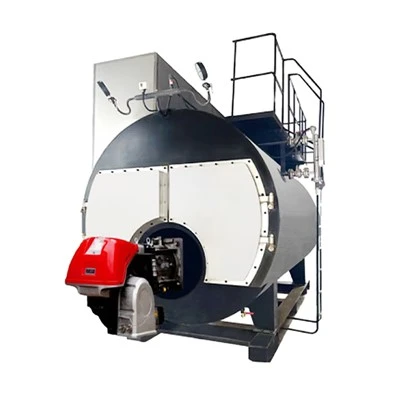
First off, let’s set a baseline: a well-maintained, properly sized hot oil boiler will run anywhere from 15 to 30 years. Wait, that’s a huge range, right? Yeah, and that’s the part most generic blog posts skip—they just say “15-20 years” like it’s a hard number, but it’s way more nuanced than that. Let’s pull back the curtain on what makes that number jump or drop, because that’s the stuff that actually matters for you.
Let’s start with the big one: how you use it. I’ve seen a customer run a boiler for 28 years with zero major overhauls, and another customer replace theirs at 8 years flat. The difference? The second guy never checked the oil quality, skipped cleaning the heat exchangers, and cranked the pressure way above the recommended limit when production picked up. Hot oil boilers work by heating that thermal oil (usually mineral-based, sometimes synthetic) to super high temps—like 500°F and up. If that oil is dirty, it forms sludge, which insulates the heat exchanger. So your boiler has to work harder, burn more fuel, and that extra stress eats away at the metal parts way faster.
Size matters too, believe it or not. A lot of people buy a boiler that’s just a little too big for their operation because it was a good deal, or someone told them “bigger is better.” No. When a boiler is oversized, it cycles on and off way more often than it should. Every time it turns on, that’s a little jolt to the metal—expanding when it heats up, contracting when it cools down. Over thousands of cycles, that metal gets fatigued, like bending a paperclip back and forth until it breaks. I had a guy call me last year panicking because his 10-year-old boiler was leaking from the tube sheet—turns out it was 20% too big for his paint shop, so it was cycling 15 times an hour instead of the recommended 3-4. That’s the kind of thing that cuts lifespan in half, easy.
Now, maintenance—this is the make-or-break. I can’t stress this enough, and I say this as a supplier: we don’t care if you buy your boiler from us or someone else, if you skip the maintenance, you’re wasting your money. What does proper maintenance actually look like, not the generic “have a technician come every year” line? Let’s get specific. First, annual oil analysis. You send a sample of your thermal oil to a lab, and they check for things like moisture, acidity, and particulate count. If the acidity gets too high, it eats away at the internal metal components. Moisture? That causes foaming, which leads to uneven heating and pressure spikes. A good tech will also clean the heat exchanger every 1-2 years, depending on how much you run the boiler. And they should inspect the burner, the pressure relief valves, and all the connections for leaks—small leaks turn into big problems fast, especially with high temp oil.
Wait, what about the type of boiler? Yeah, that’s another factor. There are two main types: fire tube and water tube (no, wait, hot oil specifically—fire tube hot oil boilers vs. the coil type, right? Let’s not confuse things. The coil type is usually smaller, for lower temp applications, and they tend to last a bit less—around 15-20 years if maintained. Fire tube hot oil boilers, the ones for higher temp, higher capacity operations, can hit 25-30 years if you take care of them. I’ve seen a few fire tube units that are pushing 35 years, but those are the exception, not the rule—they had top-tier maintenance, perfect oil quality, and were never overloaded.
Then there’s the environment. If your boiler is in a dusty, humid place—like a lumber mill or a food processing plant where there’s a lot of moisture in the air—that adds stress. Dust gets into the combustion chamber, which can lead to incomplete burning, more soot on the heat exchanger. Humidity causes corrosion on the external parts, which can spread to the internal tubes if it’s bad. On the flip side, if your boiler is in a controlled environment, inside a well-ventilated mechanical room, away from extreme temps or contaminants, that’s one less thing working against it.
Now, what are the signs that your boiler is getting near the end of its lifespan, so you’re not caught off guard? Let’s talk about the red flags, because waiting for it to die without warning is the worst. First, consistent pressure drops or spikes that you can’t fix with regular maintenance. If your pressure relief valve is going off every few weeks, that’s a problem—could be from oil breakdown or overheating. Second, a big jump in fuel usage. If you’re using 20% more oil than you were a year ago for the same amount of heat, that’s a sign the heat exchanger is fouled, or the metal is starting to degrade and it can’t transfer heat as well. Third, visible leaks or corrosion on the tubes or connections. Small pinhole leaks turn into major leaks that can cause fires (super dangerous, by the way) or force a full shutdown. And finally, frequent breakdowns—if you’re calling a tech every other month for the same issue, it’s probably time to start planning for a replacement, not just patching it up.
Wait, let’s address something everyone asks: can you extend the lifespan beyond 30 years? I’ve seen people do that with major overhauls. Replacing the tube bundle, rebuilding the burner, flushing and replacing all the oil lines. But here’s the catch: sometimes the cost of the overhaul is almost as much as a new boiler. So you have to do the math. If your boiler is 28 years old, an overhaul costs $15k, and a new one is $20k, that’s a no-brainer. But if your boiler is 10 years old, an overhaul is $10k, and a new one is $30k, then it’s worth fixing. Also, if you’re trying to hit stricter emissions rules (which a lot of places are enforcing now), an old boiler might not be able to meet those, so replacing it is the only option.
Let me share a real quick story that drives this home. A customer of ours out in Wisconsin, they run a paper products plant. They bought their boiler from a different supplier 22 years ago, didn’t do annual oil analysis, just changed the oil once every 5 years. Last year, their heat exchanger started leaking bad. When our tech got there to help, he took a look and said the tube walls were so thin from corrosion and sludge that they were ready to burst. We gave them two options: patch it for $8k, or install a new one that’s sized perfectly for their plant for $22k. They went with the new one. Now they save $3k a year on fuel because the new boiler is efficient, and they don’t have to worry about a catastrophic shutdown that would cost them way more in lost production. That’s the kind of call we love getting, because we’re not just selling a boiler—we’re helping them avoid a huge headache.
Now, let’s get to the practical stuff: what can you do right now to make sure your boiler hits that upper end of the lifespan? First, schedule annual maintenance with a certified hot oil boiler tech, not just a regular HVAC guy. These things run at 500°F, so regular HVAC guys don’t have the training to handle them. Second, do monthly checks: look for leaks, keep an eye on pressure gauges, log fuel usage. That little bit of monitoring goes a long way. Third, follow the manufacturer’s guidelines for oil changes—don’t wait until it’s totally gunked up, but don’t change it too often either (that’s a waste of money). Fourth, if you’re expanding your operation, don’t just crank the boiler to keep up—call a supplier like us to size a new one, or tweak the current system to handle the extra load without straining the boiler.
Wait, let’s debunk a common myth here: some people think synthetic thermal oil lasts forever. No, it breaks down too, even if it’s more stable than mineral oil. Synthetic oil can go 5-7 years if maintained, while mineral oil is usually 2-4 years, but that’s only if you do the oil analysis and change it when it’s past its safe limit. I’ve seen someone run synthetic oil for 10 years because they skipped the analysis, and it ended up costing them $10k in repairs. So don’t fall for that “synthetic oil = no maintenance” line. It’s more stable, but not indestructible.
Another thing: warranty. A lot of new hot oil boilers come with a 1-2 year parts warranty, and some offer extended warranties if you do annual maintenance. That’s a good perk, but it’s not a guarantee of lifespan. Even with a warranty, if you don’t maintain it, you’ll void it. We offer extended warranties up to 5 years for our boilers if you sign up for our annual maintenance plan, which is a big deal because it means we’re invested in making sure your boiler runs right.
Now, let’s wrap this up so you have a clear takeaway. The average lifespan of a hot oil boiler is 15 to 30 years, but that’s only if you treat it right. Skipping maintenance, overloading it, using bad oil will cut that down to single digits. Sizing it correctly, doing regular checks, and following the manufacturer’s rules will get you 25+ years of trouble-free operation. And if you’re wondering if it’s time to replace yours, don’t wait for it to die—look for those red flags we talked about, and talk to a pro (like us, if you want) to run the numbers.
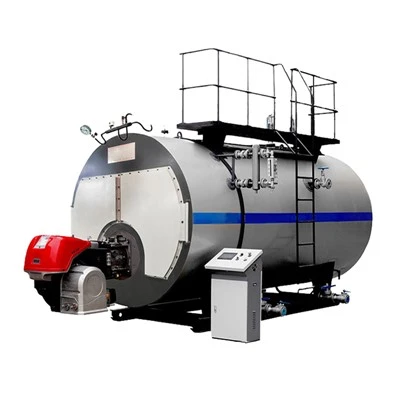
If you’re in the market for a new hot oil boiler, or you want a second opinion on whether yours is on its way out, hit us up. We don’t do the hard sell—we’ll tell you if a repair is worth it, or if a new boiler makes more sense. Because at the end of the day, we’ve been doing this long enough to know that happy customers are the ones who get the right equipment for their needs, not the most expensive one.
LNG Refueling Station References:
- American Society of Mechanical Engineers (ASME). (2020). Standard for Thermal Fluid Heating Systems.
- National Board of Boiler and Pressure Vessel Inspectors. (2022). Hot Oil Boiler Lifecycle and Maintenance Best Practices.
- Thermal Processing Magazine. (2021). “Factors Impacting Hot Oil Boiler Service Life and Efficiency.”
- U.S. Department of Energy. (2020). Industrial Boiler Efficiency Improvement Guide: Hot Oil Systems.
Xinxiang Huayuan Container Equipment Co., Ltd.
With abundant experience, we are one of the most reliable hot oil boiler manufacturers and suppliers in China. We warmly welcome you to buy durable hot oil boiler made in China here from our factory. If you have any enquiry about cooperation, please feel free to email us.
Address: No.2, South Road, Industrial Cluster Zone, Genghuang Township, Fengquan District, Xinxiang City, Henan Province
E-mail: cncd527@gmail.com
WebSite: https://www.huayuanequipment.com/
