If you’ve ever browsed home improvement aisles or scrolled through interior design trends, you’ve likely encountered PS skirting boards. As a supplier of these popular finishing pieces, I get dozens of questions a week from homeowners, contractors, and even fellow suppliers asking one of the most fundamental: “What is PS skirting made of?” It’s not a trick question, but the answer is far more nuanced than a single word, and understanding it is key to choosing the right skirting for your project—whether you’re renovating a 1920s bungalow or outfitting a modern apartment. PS Skirting
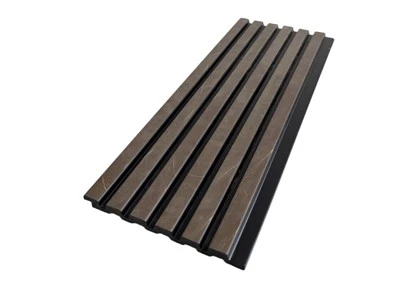
First, let’s break down what that abbreviation “PS” stands for, because too many people assume it’s just a brand name or a random code. PS is short for Polystyrene, a synthetic polymer that’s been a workhorse material in construction and design for decades. But not all polystyrene is the same, and that’s where the quality of PS skirting really varies. Let’s dive into the two main types you’ll find on the market, because as a supplier, I’ve seen firsthand how the difference between them can make or break a client’s installation.
The most common type is extruded polystyrene, or XPS for short. This is the rigid, dense kind you’ll recognize from insulation boards used in exterior walls and roof systems. For skirting, XPS is heated and forced through a die to create long, uniform lengths that can be cut to fit any room. It’s solid, not foamy, which means it holds its shape well when carved with the decorative profiles that make skirting boards look polished—think simple rounded edges, raised mouldings, or intricate Victorian-style patterns. XPS skirting is lightweight, which is a huge plus for DIYers who don’t want to lift heavy, bulky wood pieces up a staircase or nail to high walls. It’s also moisture-resistant, which sets it apart from natural wood that can warp, swell, or develop mould in damp areas like bathrooms, kitchens, or basements.
The second type, and the one we prioritize as a supplier, is expanded polystyrene, or EPS, but wait—no, hold on, that’s not the one you want for high-quality skirting. Wait, no, let’s get this right: there’s also high-impact polystyrene, or HIPS, which is where premium PS skirting comes in. HIPS is modified with rubber additives to make it far more durable than standard extruded polystyrene. That’s the stuff you want for areas that get a lot of wear and tear, like hallways where vacuum cleaners bump against the base, or playrooms where kids might lean on or scuff the skirting. Standard polystyrene can scratch or crack if you drop a tool on it, but HIPS has enough flexibility to absorb minor impacts without breaking, and it holds paint better too—no flaking or chipping even after years of cleaning.
Let’s talk about how PS skirting is manufactured, because that process is what makes it a better choice than traditional alternatives like MDF, wood, or even PVC. When we produce PS skirting, we start with virgin polystyrene resin, not recycled material, for most of our inventory. Recycled polystyrene can have inconsistencies in density that lead to uneven cuts or discolouration over time. We mix the resin with small amounts of UV stabilizers when making our exterior-grade PS skirting, which makes it resistant to fading from sunlight if you’re installing it in a sunroom or a cottage that’s exposed to the elements. For interior skirting, we add binding agents that make the surface smooth and ready to paint—you don’t have to prime it multiple times before putting on your top coat, which saves contractors hours of labour.
I know a lot of people compare PS skirting to PVC, so let’s clear that up right away. PVC is another synthetic polymer, but it’s stiffer, heavier, and far more rigid than PS. PVC skirting is prone to cracking if it’s bent around sharp corners, and it doesn’t have the same insulating properties as polystyrene. That might sound like a small thing, but if you live in a cold climate, skirting boards can help reduce heat loss from the floor, and the air pockets in PS’s structure make it a better insulator than solid PVC. Also, PS skirting is completely paintable, just like wood, so you can get a custom look that matches your wall colour, trim, or furniture. PVC skirting is only available in a limited number of pre-colours, and if you paint it yourself, the surface is so non-porous that the paint will peel off in a year or two.
Another big advantage of PS skirting, which I see clients rave about all the time, is its resistance to pests. Termites, wood borers, and other critters that love to munch on natural wood don’t touch polystyrene. That’s a game-changer for homeowners in areas with high pest activity, or for rental properties where you don’t want to deal with damage from tenants moving furniture or pests nesting in skirting boards. We’ve had clients install PS skirting in vacation homes that are left unoccupied for months at a time, and they’ve come back to find no damage, no warping, no rot—something that would never happen with traditional wood skirting.
Now, I want to be honest about the downsides, because as a supplier, I never oversell my products. Low-quality PS skirting, made with cheap, low-density polystyrene, can be flimsy and prone to bending if you handle it roughly during installation. It can also be damaged by extreme heat—if you lean a hot space heater against it, it will melt or deform. But that’s not a flaw in the material itself; that’s a flaw in cheaply made products. All of our PS skirting is tested to withstand temperatures up to 176 degrees Fahrenheit, which is hotter than any home will get under normal circumstances, so you don’t have to worry about that. We also include installation guidelines for handling and installing the skirting properly, so clients don’t have to run into avoidable issues.
Let’s also address a common myth: that PS skirting is just “cheap” and looks artificial. I can understand why people think that, because early versions of polystyrene mouldings had a slight lightweight feel and a uniform texture that looked a little plastic. But modern production techniques have completely changed that. The HIPS PS skirting we manufacture has a solid, substantial feel, and when it’s painted, it looks indistinguishable from high-quality wood skirting. We’ve had architects and interior designers specify our PS skirting for luxury projects, from high-end apartments in city centres to custom-built family homes, because it gives them the look of traditional wood without the cost, maintenance, and risk of damage.
As a supplier, I’ve worked with hundreds of different clients over the years, and I’ve tailored my product range to meet their specific needs. For example, we have thin, minimal-profile PS skirting for modern, Scandinavian-style homes, where less is more, and thick, decorative profile skirting for period properties that want to retain a classic look. We also supply waterproof PS skirting for commercial spaces like restaurants, retail stores, and offices, where spills and moisture are common. It’s lightweight enough to be installed by one person, which keeps labour costs low, and it’s easy to clean with a damp cloth—no sanding or refinishing needed every few years like wood.
If you’re still wondering about the material composition, here’s a quick breakdown for anyone who likes the technical details: PS skirting is 100% virgin polystyrene polymer, modified for durability and finish. Extruded PS skirting has a density of approximately 35 kg per cubic meter, while our premium high-impact PS skirting has a density of 55 kg per cubic meter, which is why it’s more durable and heavy-duty. We add trace amounts of UV inhibitors (for exterior use) and anti-fungal agents (for bathrooms and basements) during the manufacturing process, so you don’t have to worry about mould or mildew growing on the skirting over time.
I think the best way to understand why PS skirting is such a popular choice is to hear from the clients who use it. Last year, I worked with a contractor who was renovating a 1950s family home for a young family with two kids and a dog. They were on a tight budget, and they didn’t want to deal with sanding, staining, or replacing wood skirting that would get chewed on by the dog or scuffed by the kids’ bikes. They chose our HIPS PS skirting, and when they finished the project, they sent me a photo of the installed skirting next to a photo of the old wood skirting they had removed. The new skirting looked identical in style, and a year later, they reached out to say it still looked brand new—no scratches, no peeling paint, no warping. That’s the value of good PS skirting.
Another client was a property manager who had been installing wood skirting in his apartment buildings for years, but he was constantly getting complaints about scuffed skirting, pest damage, and rot in the basement units. He switched to our PS skirting three years ago, and in that time, he’s only had to replace one piece—compared to 15 to 20 pieces a year with wood. He saved thousands of dollars in maintenance and repair costs, and his tenants are happier because the skirting stays looking clean and new.
So, to circle back to the original question: what is PS skirting made of? It’s not a random plastic, it’s a modified polystyrene polymer, engineered to be durable, versatile, cost-effective, and easy to install. It’s a superior alternative to wood, MDF, and PVC for most residential and commercial applications, especially in high-moisture, high-traffic, or pest-prone areas. The quality varies widely based on the manufacturing process and the type of polystyrene used, which is why choosing a reputable supplier matters.
If you’re planning a renovation, a new build, or just replacing old, damaged skirting, and you’re looking for a product that looks great, lasts for years, and doesn’t require constant maintenance, I’d encourage you to consider PS skirting. We offer a wide range of profiles, sizes, and finishes to match any style, and our team can help you choose the right product for your specific space. Whether you’re a DIYer working on your first project or a contractor managing a large commercial build, we’re here to answer your questions, provide samples, and help you find the perfect PS skirting for your needs. Reach out to our team to discuss your project and get a custom quote—we’re happy to help.
PS Skirting References
- Polystyrene: Properties and Applications. Society of Plastics Engineers, 2021.
- Construction Material Guide: Skirting Boards. National Association of Home Builders, 2022.
- Durability of Polymer-Based Building Materials. Journal of Construction Engineering and Management, Vol. 147, No. 8, 2021.
- Interior Finishes for High-Traffic Residential Spaces. American Society of Interior Designers, 2020.
- Moisture Resistance of Synthetic Skirting Materials. Building Science Corporation, 2019.
Linyi Xinchenda Import and Export Trading Co., Ltd.
We’re known as one of the most professional ps skirting manufacturers in China, also support customized service. With abundant experience, we warmly welcome you to buy premium ps skirting for sale here from our factory. Quality products and low price are available.
Address: NO. 20, ROOM 815, BUILDING 2, CENTURY PLAZA, BEIJING ROAD, LANSHAN DISTRICT, LINYI CITY, SHANDONG, CHINA
E-mail: lily311913@gmail.com
WebSite: https://www.xcdpswallpanel.com/
