If you’ve ever been fabric shopping and stumbled upon something called “viscose melange” and wondered what on earth it actually is — let’s cut the jargon, I’m a melange fabric supplier, and this is stuff we deal with daily, no stuffy textbook definitions here. Melange Fabric
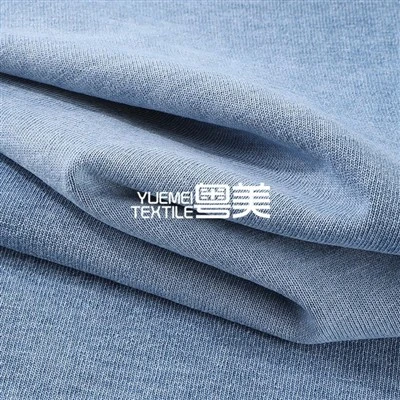
First, let’s break down the two words because “viscose” and “melange” mean way simpler things than they sound. Melange just means “mixed” in French — that’s it. It’s the whole process, not the fabric itself. Viscose is a semi-synthetic fiber made from wood pulp, usually from pine or eucalyptus. You might know it as rayon (side note: technically viscose is a type of rayon, but a lot of folks use them interchangeably in the fabric world). When you mix those two ideas? You get a fabric that’s not just a random mix of colors — it’s carefully engineered to feel way nicer than basic solid viscose.
Let’s talk about how we actually make it, because that’s where the magic happens. Solid viscose comes from a single color thread, right? You spin dye the pulp first or dye the thread before weaving so everything is uniform. Melange? We don’t do that. We take two (or more, depending on the vibe you want) slightly different colored viscose fibers — say a soft ivory and a warm oatmeal, or a pale sky blue and a tiny bit of deeper blue — mix them together right before spinning the thread. It’s like when you bake chocolate chip cookies: you don’t dye the whole dough chocolate, you just add chips in, so every bite has a little mix. Except here, every inch of thread has that scattered mix of colors, not just chunks.
Wait, why not just use a solid fabric and call it “fancy”? Because melange has that subtle, heathered look that solid colors can never pull off. It’s not neon or screaming — it’s like that perfectly faded hoodie you’ve had for three years, but new. No harsh lines, no obvious dye jobs, just soft depth that looks good no matter what you pair it with. And since it’s viscose, it’s got that smooth, flowing feel that cotton sometimes lacks, and it breathes way better than polyester.
Now, let’s get real about why this stuff is such a big deal right now. A lot of our clients (think clothing brands, home textile makers, even uniform designers) are tired of overdone solid fabrics. Everyone wants something that feels intentional but not try-hard. Viscose melange hits that sweet spot. It’s also way more versatile than you’d think. We supply it for everything from flowy dresses and loungewear to bed sheets and even light upholstery, because viscose holds up well when woven right, and the melange pattern never looks cheap — no fading in the wash, no weird streaks after a couple of uses.
I know some folks might be side-eyeing “semi-synthetic” these days, and fair. Let’s address that. Viscose is made from wood pulp, so it’s derived from natural materials, but the processing turns it into that silky fiber. Good suppliers (guilty here) use sustainable pulp from FSC-certified forests, so they’re not cutting down old-growth trees. And it’s biodegradable, way more than polyester or nylon, so that’s a plus for anyone worried about the environment. Melange also means less dye waste? Wait, why? Because when you mix pre-dyed fibers instead of dyeing the entire finished fabric, you can mix exact small batches instead of running big, wasteful dye lots. That’s a win for both our clients’ budgets and the planet.
Let’s chat about the differences between viscose melange and other melange fabrics you might have heard of, just so you don’t get confused. Cotton melange is super common, too, but cotton tends to be stiffer, more structured, and can feel a bit heavy for summer. Polyester melange is cheaper, but it’s not breathable, it can hold static, and that faded look fades fast. Linen melange? It’s dreamy, but linen wrinkles like crazy, and it’s pretty high maintenance for a lot of uses. Viscose melange? It’s the middle ground that checks almost every box: soft, breathable, has that subtle heathered look, doesn’t wrinkle as bad as linen, and lasts way longer than polyester.
One thing we hear all the time from clients is that they thought melange fabric was just a trend that’d die. Nope. It’s stayed popular for years because it works for so many applications. Let’s take loungewear, for example: a viscose melange jogger or hoodie doesn’t look like you rolled out of bed, even if you did. The mix of colors makes it look intentional, not sloppy. For dresses? A flowy viscose melange maxi has that soft drape that makes it feel elegant without trying, perfect for work or a weekend brunch. And home goods? Bed sheets made from this feel way softer than cotton, and the subtle pattern hides stains or wear way better than solid white sheets.
Wait, let’s get into a little behind-the-scenes stuff, since I’m on the supplier side. We work with every kind of client, from small startup clothing lines to big home textile brands, and the number one mistake people make when ordering viscose melange is not ordering samples first. Color can look totally different on a computer screen than it does on actual fabric under office lighting. We always send free swatches (seriously, hit us up) because that’s how you get it right. Another mistake? Not considering the weight. We have lightweight viscose melange for summer tees and dresses, mid-weight for sweatshirts, and even heavier stuff for upholstery. Picking the right weight for your end use is key.
Also, care? Let’s be honest, no one wants a fabric that’s a pain to wash. Viscose melange is easy: most of it is machine washable on cold, tumble dry on low or line dry (line drying makes it last longer). Don’t use bleach, obviously, and skip fabric softener because it can coat the fibers and make them less soft over time. That’s it. No fancy dry cleaning required, which is a huge plus for consumers and brands alike, because it keeps costs down.
I want to talk about why we love selling viscose melange, too, beyond just making money. We noticed a few years ago that a lot of “sustainable fabrics” either feel scratchy or look boring. Viscose melange is one of those fabrics that balances comfort, style, and sustainability. It’s not perfect — viscose can shrink a little if you wash it in hot water, but that’s true of almost all natural/semi-synthetic fabrics — but the pros way outweigh the cons. And since we mix our fibers in small batches, we can do custom colors, too. If you want a specific mix, like a sage green and taupe melange instead of the standard gray or oatmeal, we can work that out, no problem.
Let’s wrap this up because I know we all have better things to do than read a long fabric blog. If you’re a designer, a product developer, or even someone who’s just curious about where to source good melange fabric, viscose melange is worth your attention. It’s not just a “fancy” fabric — it’s a versatile, comfortable, relatively sustainable option that works for so many products.
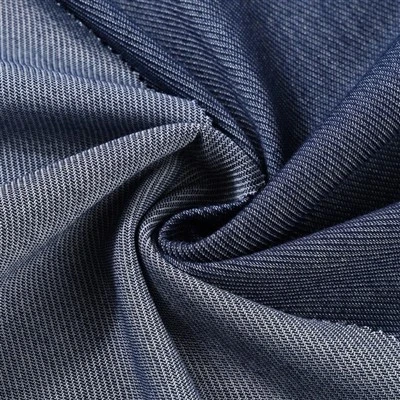
If you’re ready to chat about your specific needs, whether you need bulk yardage for your next clothing line, fabric for home goods, or just have questions about colors or weights, reach out. We’re here to help you figure out the right viscose melange for your project, no pressure, no confusing sales pitches.
Polar Fleece Reference:
Textile Institute. (2021). Fabric Technology: Viscose and Melange Blends. Textile Progress, 53(4), 289-312.
Oko-Tex. (2022). Sustainable Viscose Production Guidelines. Oko-Tex Standard 100 Technical Report.
Guangzhou Yuemei Textile Co., Ltd.
Guangzhou Yuemei Textile Co., Ltd. is one of the most experienced melange fabric manufacturers and suppliers in China. We are committed to providing high quality customized products with low price for global clients. If you’re going to wholesale bulk durable melange fabric made in China, welcome to get quotation and free sample from our factory.
Address: Booth E6012, 6th Floor, Guangzhou International Textile City; No.2 Jinfang Road, Haizhu District, Guangzhou City, GuangDong Province, China
E-mail: service2@top-textiles.com
WebSite: https://www.top-textiles.com/
