Hey there, if you’ve ever run your fingers over a wall with that just-right, cozy rough texture—like the subtle grooves of a flat white or the noticeable bumps of a textured finish that hides minor drywall flaws—you’ve got thickeners to thank for that. As someone who’s been in the thickener game for a hot minute (no pun intended), I get that most people only think of thickeners as the stuff that keeps paint from being too runny. Nope, they’re way more critical for that texture you actually want—plus, they keep paint from settling at the bottom of the can when it’s sitting on a shelf for months. Let’s break down the main ones we work with, what makes ‘em tick, and why picking the right one isn’t just a afterthought for pros. Thickeners
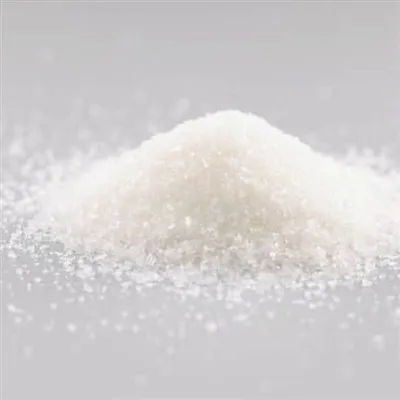
First up, let’s talk about the most common workhorse we see: acrylic associative thickeners, or ATA for short. If you’ve ever bought flat interior paint, this is probably what’s inside. Here’s the lowdown on how they work—they’re these long polymer chains that get all tangled up when you mix them into paint. Wait, it’s not just the chains alone, right? They also link up with other ingredients in the paint, like the pigments and binders, to build that perfect thickness and texture. What’s cool about ATA is that you can tweak how much you add to get different textures—add a little, you get that smooth-but-not-runny flat finish; bump up the dose, and you get a subtle eggshell or even a light satin texture that still feels soft to the touch. The best part for suppliers like us? They’re super compatible with most water-based paints, which is what almost everyone uses these days because VOCs (those stinky, bad-for-you chemicals) are a big no-no now. I’ve had a ton of painters hit me up saying ATA cuts down on roller mess too—because it keeps the paint where you want it, not dripping all over your arms.
Next on the list: hydroxyethyl cellulose, or HEC. This one’s been around longer than I have, honestly, and it’s a go-to for a lot of exterior paints because it’s cheap as chips and does a solid job. HEC is a cellulose derivative—think plant-based, so it’s eco-friendly, which is another win. How does it work? It’s a straight, linear chain that just swells up in water, like a sponge, and that’s what thickens the paint. But wait, it’s not perfect for texture. If you want something super textured—like that popcorn ceiling from the 90s (no judgment, we’ve all seen ‘em)—HEC can only do so much because it doesn’t associate with the pigments like ATA does. It’s great for keeping paint from sagging on vertical walls, which is why you’ll see it in semi-gloss and gloss paints too, but if you’re going for a rugged, noticeable texture? You might need something else. That said, a lot of small paint shops love HEC because it’s easy to source and easy to mix—no fancy equipment needed, which is a big plus when you’re just starting out.
Then there’s the big gun for heavy texture: hydrophobically modified ethoxylated urethanes, or HEUR. These are the ones for when you’re making a texture paint that you can actually see and feel—like that knock-down finish, stipple, or even faux stone textures. HEUR’s different from ATA and HEC because the ends of their polymer chains have these little hydrophobic (water-hating) tails. When you add HEUR to paint, those tails stick to the pigments and binders, while the middle of the chain stays in the water part of the paint. That creates all these little networks, so you get way more structural thickness than ATA or HEC can give you with the same dose. Painters rave about HEUR because it doesn’t leave that “grainy” feel that some old thickeners do, and it holds up even when you’re applying it with a sprayer or a trowel. I recently worked with a custom paint company that was making a textured accent wall product, and they switched to HEUR from ATA because their customers were complaining that the ATA-based finish was too “slimy.” HEUR fixed that right away.
Wait, can’t forget about clay-based thickeners, either. These are usually natural clays like bentonite or hectorite, and they’re used a lot in specialty texture paints, like those that mimic mud or plaster for rustic interior designs. How do they work? The clay particles are flat, and when you mix ‘em with water, they stack up like little cards, creating a 3D network that thickens the paint. The cool thing about clay thickeners is that they give texture paints that “body” you need for heavy applications—like when you’re using a putty knife to spread paint in a pattern. The downside? They don’t work as well in water-based paints if there’s a lot of other additives, and they can sometimes make the paint look dull if you add too much. But for those niche, textured products that pros use to make homes feel unique? Clay thickeners are non-negotiable. I had a guy reach out last month who makes custom wall art paint—he’d been using ATA but wanted that matte, rough texture that only clay gives, so we hooked him up with a small batch of our modified hectorite clay, and he was blown away by how it turned out.
Now, let’s talk about what happens if you pick the wrong thickener. I’ve seen it so many times—paint that’s too runny, so when you roll it on, it drips all over the floor and takes forever to dry. Or paint that’s too thick, so it’s impossible to spray without clogging the nozzle. Or, worst of all, texture paint that fades or turns lumpy after a week because the thickener didn’t hold up. Last year, a small construction company called me panicking because they’d bought cheap thickener from a random supplier, and their texture paint was separating in the buckets. We sent over a sample of our combined ATA and HEUR blend (we make custom blends too, fyi) and within a week, they were back ordering 50-gallon drums. It’s not just about selling a product—it’s about making sure the paint does what the customer wants it to do.
Here’s something most people don’t realize: a lot of paints use a combination of thickeners, not just one. For example, a semi-gloss interior paint might use a little HEC for sag resistance, plus a dash of ATA for good flow and even coverage. A heavy texture knock-down paint might mix HEUR with a small amount of clay to give it that extra body without making it grainy. That’s where we come in, right? We don’t just sell pre-made thickeners—we work with paint manufacturers, big and small, to tailor the blend to their exact needs. Whether you’re making a budget-friendly flat paint or a luxury texture accent wall product, we can tweak the ratio to get the perfect thickness, texture, and shelf life.
Also, let’s talk about sustainability, because that’s huge right now. A lot of old thickeners were petroleum-based and not great for the environment. But now, we have a ton of bio-based thickeners that are made from things like guar gum, xanthan gum, or even modified starch. These are perfect for water-based paints, and they break down way easier than synthetic ones. I’ve been working with a few green paint brands lately that switched from HEC to xanthan gum, and they’ve cut their carbon footprint by like 30% while still getting the texture they need. The only catch? Bio-based thickeners can be a little more sensitive to pH levels and temperature, so you have to adjust how you mix them. But with the right guidance, they’re a solid option for anyone looking to make eco-friendly texture paints.
Wait, let’s get back to that texture thing specifically, because that’s what we’re here talking about. When you’re aiming for texture, the thickener’s job isn’t just to make the paint thick enough—it’s to control how the paint behaves when you apply it. For spray-on textures, you need a thickener that lets the paint come out of the gun in a consistent spray, not a mist, and then it sets right away so it doesn’t run. For hand-applied textures (like trowel or brush), you need the paint to hold its shape after you apply it, so you get that raised pattern instead of it flattening out. That’s why HEUR and modified clays are top picks for heavy textures, while ATA is better for lighter, smoother textures.
I know a lot of people reading this are probably paint manufacturers, painters, or maybe even DIYers who want to make their own texture paint. If you’re a DIYer, stick to what’s easy—HEC is your best bet for basic textured paint, and you can adjust the amount until you get the consistency you want. But if you’re a pro or a paint company, don’t cut corners on thickeners. The difference between a paint that looks great and lasts 10 years, and one that peels or fades in two, often comes down to the thickener you use.
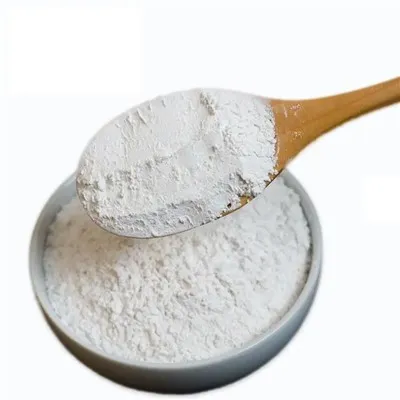
Speaking of that, if you’re someone who’s tired of dealing with paint that has the wrong texture, or if you’re looking to switch up your product line to add more texture options, I’m here. We’ve been in the thickener game for years, we’ve tested every type under the sun, and we can help you find the right blend for your specific needs. Whether you need small test batches for a new product or bulk drums for a big construction project, we’ve got you covered. Don’t settle for generic thickeners that don’t deliver—hit us up to chat about your thickener and texture paint needs. We’re here to help you get that perfect wall finish, no mess, no stress.
Monascus Red References
- Gross, J., & Robertson, A. (2021). Water-based paint additives: science and application. Journal of Coatings Technology and Research, 18(3), 789-805.
- Smith, L. K. (2019). Associative thickeners for architectural coatings: performance and formulation. Progress in Organic Coatings, 132, 115-123.
- Patel, R. M., & Lee, S. (2022). Bio-based thickeners for sustainable paint formulations. Industrial Crops and Products, 181, 114782.
- Brown, T. J. (2020). Texture control in decorative paints: the role of rheology modifiers. Journal of Applied Polymer Science, 137(24), 48756.
Fudijia (Tianjin) Supply Chain Co., Ltd.
With abundant experience, we re one of the most professional thickeners manufacturers and suppliers in China. We warmly welcome you to wholesale bulk high quality thickeners made in China here from our factory. For more information, contact us now.
Address: Room 1602, MSD-G1, TEDA , Binhai New Area, Tianjin, China, 300457
E-mail: foodchem@hjlfoods.com
WebSite: https://www.ifoodchem.com/
