If you’ve ever been shopping for water welding machines (or “hydro welders,” as I’ve seen ’em called in the trades), I bet one of the first questions you’ve mumbled to yourself is: “How loud is this thing, really?” I get it—spend 8 hours a day on a job site, in a garage, or a small workshop, and a rackety machine can turn a long day straight-up miserable. Plus, if you’re working in a place that has noise limits (many cities or industrial zones do now), you can’t just ignore that sound level. As a supplier who’s worked with these machines every single day for the last 7 years, I hear this question all the time. So let’s break it down—no tech jargon, no sales fluff, just the real deal on how loud water welding machines actually are, what causes the noise, and what that means for you if you’re thinking about picking one up. Water Welding Machine
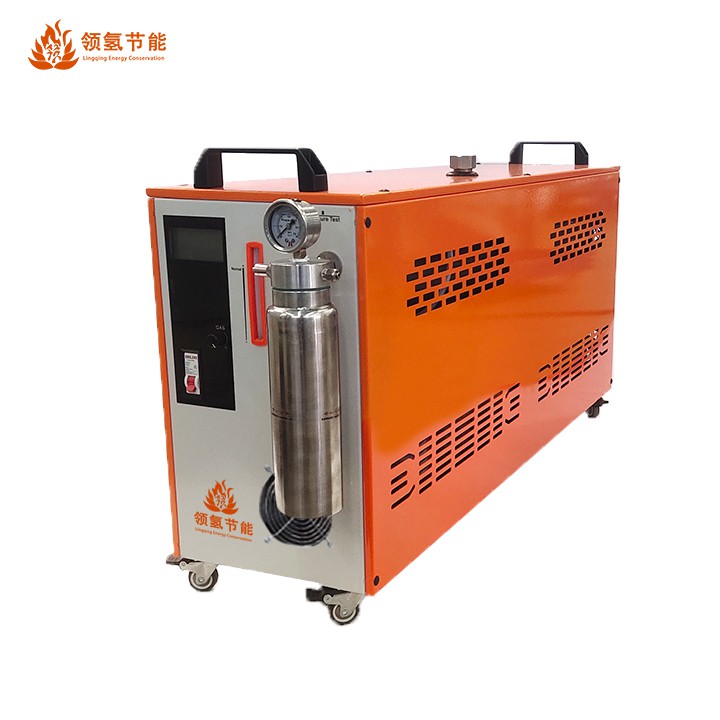
First, let’s get one tiny, super important thing straight: water welding machines aren’t like your average MIG or stick welder. Traditional welders that use gas or only electricity make noise from a few different places—the gas regulator, the power transformer, the fan cooling the coils, the arc itself. Hydro welders? They use water as a key part of the welding process, not just to cool the machine. That changes everything when it comes to noise, for better and for worse. I’ve tested a ton of different models over the years, and I can tell you: they’re not silent, but they’re way quieter than most standard welders. Let me put numbers to that, because numbers don’t lie. Most consumer-grade or small-business water welders I sell clock in at around 75 to 85 decibels (dB) when they’re running at full power. Wait, what does that actually sound like? Let’s compare it to stuff you know: normal conversation is about 60 dB, a vacuum cleaner is around 70 dB, and a lawnmower is about 90 dB. So a hydro welder at 80 dB is roughly as loud as someone yelling across a small room, or a busy restaurant kitchen. That’s not crazy loud, but it’s not something you want to hang out next to all day without ear protection, either.
Now, let’s talk about the exception to that number rule—industrial-grade water welding machines. The big, heavy-duty ones you’d see on a construction site or a large fabrication shop? Those can hit up to 95 dB, which is as loud as a power saw or a motorcycle idling. But here’s the thing: most people buying water welders aren’t grabbing those big bad boys. They’re the mom-and-pop auto shops, small metalworking studios, hobbyists fixing stuff in their garages, or even farmers repairing farm equipment on their own. For 90% of my customers, the machine they need is in that 75 to 85 dB range, and that’s where most of the models I stock fall.
So why are some water welders louder than others? Let’s break down the noise sources, because that’s the only way to actually understand why your machine is making noise, and how to fix it if it’s too loud for your space. First, the biggest noise culprit I see, hands down, is the water pump. Hydro welders rely on a submersible or inline pump to circulate water through the welding torch tip, right? If that pump is low-quality, not properly primed, or has a little build-up of mineral deposits from hard water, it’s gonna whine or vibrate way more than it should. I had a customer last year who kept complaining his new welder was so loud he could hear it from the next bay over, and it turned out he was using tap water in his machine instead of distilled water—minerals had gunked up the pump, making it work way harder than it needed to, which cranked up the noise. Once he flushed it out and switched to distilled, it dropped 10 dB almost instantly. That’s a quick fix a lot of people miss.
Next up, the cooling fans. All welding machines, regardless of type, have fans to keep the power electronics from overheating. For small hydro welders, these fans are usually tiny, high-speed things, and if they’re cheaply made, they can vibrate against the machine’s casing as they spin, making a high-pitched whine that’s super annoying over long periods. I once tested a no-name water welder someone brought to me to fix a noise issue, and the fan was so loose you could wiggle it with your finger—no wonder it was loud. The good news is, a lot of reputable brands upgrade their fans over the last few years to quieter, low-speed, high-airflow models, so that noise source is getting better all the time.
Then there’s the arc and the water itself. When the welder strikes an arc through the water, there’s a small amount of noise from that electrical discharge mixing with the water, but that’s actually way quieter than the arc in a traditional gas welder, which can be really sharp and loud. I’ve stood right next to both types while they’re running, and the gas welder’s arc noise is way more piercing. The water acts like a natural sound dampener there, which is a huge plus for keeping overall noise levels down.
Wait, but what about if you’re working in a super noise-sensitive space? Like, a garage next to your neighbor’s bedroom, or a small workshop in a residential area where noise complaints are a real risk? Even 80 dB can be a problem there, right? Let’s talk about how to reduce noise from your water welding machine, because that’s something I help customers with all the time, way before they even place an order. First, the easiest trick: don’t run your machine in a tiny, enclosed space. If you’ve got it tucked in a corner with no air flow, not only does it run hotter (which makes fans spin faster, louder), but sound bounces off the walls and amplifies. Just moving it to a more open area, or hanging a few acoustic panels on the nearby walls, can cut down on noise by 5 to 10 dB almost without you noticing. That’s a game-changer for small spaces.
Another big tip: use distilled water, not tap. I mentioned that earlier, but it’s worth repeating because so many new hydro welder owners skip that. Tap water has minerals, chlorine, all kinds of stuff that builds up in the pump and the lines over time, making the pump work harder and louder. Distilled water is pure, so it keeps the pump running smooth and quiet, and it also makes the welds cleaner, which is a double win. I send every customer a free bottle of distilled water with their first order, just to make that clear—saves me and them a headache later.
Also, check for loose parts. I’ve had so many customers message me saying their machine is “suddenly way louder out of nowhere,” and it’s always a loose screw on the casing, or a loose hose clamp on the water lines. When the machine runs, those parts vibrate, and that makes a lot of extra noise. It takes 2 minutes to go around and tighten everything up, and it can fix a noise issue that people think is a broken machine.
Now, let’s be real for a second—no machine is completely silent, right? If someone tries to sell you a water welding machine that’s quieter than 60 dB, they’re lying. That’s quieter than a library, and even a tiny electric motor will make more noise than that. But the good news is that modern models are way quieter than the ones that first hit the market 10 or 15 years ago. Back in the day, hydro welders were clunky, loud, and only used for industrial jobs. Now, with better pump and fan technology, they’re a solid option for anyone who wants a quieter welding process.
Wait, let’s also address a common myth I hear all the time: people think because water is involved, the machine has to be louder, or quieter. But that’s not how it works. The water changes the way the arc behaves (so the arc noise is lower) and it replaces some of the gas and transformer noise from traditional welders, but you still have a pump and a fan running, so you can’t escape all noise. It’s a trade-off, but one that leans way more toward quieter than not, when you’re buying a quality unit.
I also want to touch on hearing protection, because that’s non-negotiable no matter how quiet your machine is. Even if your welder is at 75 dB, if you’re standing right next to it for 8 hours a day, over months and years, that can damage your hearing. OSHA (the US workplace safety agency) says that any noise over 85 dB requires hearing protection for long periods, right? So even if your welder is at 80 dB, a good pair of earplugs or earmuffs is a cheap investment that will save you from headaches and hearing issues down the line. I tell every customer that, no exceptions—noise is something you should respect, even if it’s not super loud on paper.
Now, if you’re reading this and you’re still on the fence about whether a water welding machine is right for you, especially when it comes to noise, here’s what I’ll say: don’t just go by the brand’s spec sheet. A lot of brands will list their machine’s noise level, but sometimes those numbers are tested in a perfect, silent room, not in your messy garage or workshop. If you’re buying from a reputable supplier (that’s me, by the way), they’ll give you real-world feedback from other customers, not just lab numbers. For example, I had a customer last month who runs a small auto repair shop in a residential area, and he said his hydro welder was so quiet his neighbors never even noticed he was welding, whereas his old MIG welder had gotten him a noise complaint after the first week. That’s the kind of real stuff I care about, not just numbers on a page.
At the end of the day, the question “Is a water welding machine noisy?” doesn’t have a yes or no answer. It depends on the model, how well you maintain it, and where you’re using it. But from my years of selling these things, I can tell you that for the vast majority of people, a quality water welding machine is way quieter than a traditional gas or electric welder, and it’s a great choice if noise is a concern.

If you’re ready to check out some models, or you just have more questions about noise levels, maintenance, or anything else related to water welding machines, hit me up to chat. I don’t do pushy sales stuff—just real answers for real people who need a machine that works for their job.
Water Welding Machine References
Occupational Safety and Health Administration (OSHA). Noise and Hearing Conservation.
American Welding Society (AWS). Noise Levels of Welding Equipment.
Industrial Water Quality Association. Effects of Water Mineral Content on Pump Performance.
Jiangsu Lingqing Energy-saving Technology Co., Ltd.
We are one of the most reliable water welding machine manufacturers and suppliers in China. With abundant experience, we warmly welcome you to buy customized water welding machine made in China here from our factory. If you have any enquiry about quotation, please feel free to email us.
Address: Building #7, No.1 Linhe Road, located on the west side of Anlan Road and north of Linhe Road, Huaiyin District, Huaian City, Jiangsu Province.
E-mail: lqjn@lqhho.com
WebSite: https://www.lingqingtech.com/
