What Is a Popular Culture Paper? A Supplier’s Take for Creators and Brands Culture Paper
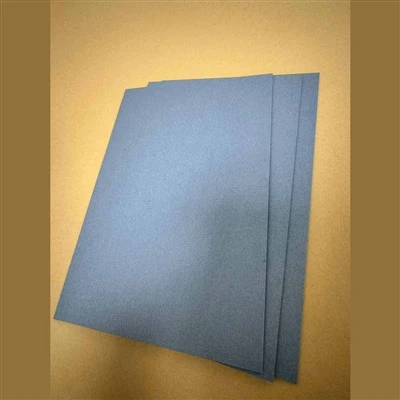
If you’ve ever picked up a sleek, color-printed magazine off a bookstore shelf, flipped through a luxury catalog, or held a limited-edition poster for a viral indie album, chances are you’ve interacted with popular culture paper without even realizing it. For decades, I’ve worked as a culture paper supplier, and one question I get asked more than any other is: “What makes this paper different from the cardstock in a printer or the matte stock in a novel?” It’s a fair question—most people don’t think twice about the materials that shape the things they love, but popular culture paper isn’t just another type of paper. It’s a specialized, purpose-driven material that bridges creativity, branding, and the cultural moments we all rally around. Let me break down what that actually means, and why it matters for anyone creating or distributing content tied to today’s most talked-about trends.
First, let’s start with the basics: popular culture paper is a category of paper engineered explicitly for projects that live at the intersection of mainstream culture—think music, film, fashion, social media, sports, and entertainment. Unlike standard paper, which is designed for general use (like writing, copying, or basic printing), this paper is crafted to enhance the emotional impact of a project that’s meant to resonate with a specific audience. It’s not just about texture or color; it’s about durability, print quality, and the way it feels in someone’s hand when they hold a poster, magazine, or limited-edition merch item. For example, a concert poster for a hit indie band isn’t just a piece of artwork—it’s a keepsake, and the paper it’s printed on needs to stand up to being folded in a backpack, taped to a dorm wall, or passed between friends as a memento. That’s where popular culture paper comes in.
A big part of what defines it is its versatility across use cases. Let’s walk through some of the most common projects we supply for, to make this concrete. First, limited-edition vinyl sleeves and inserts. Vinyl has exploded in popularity over the last decade, with millions of collectors buying new releases and reissues of classic albums. The sleeve that holds a vinyl record isn’t just packaging—it’s part of the art. A pop artist’s vinyl might feature a glossy, foil-stamped sleeve that catches the light at concerts, or a folk artist’s might use a textured, uncoated paper that feels warm and organic, matching the music’s vibe. We source popular culture paper that works for both: for glossy sleeves, we use a coated, heavyweight stock that resists smudges and fades, and for textured inserts, we use a matte, tree-free stock that feels intimate. That’s the kind of specificity you don’t get with a generic printer paper.
Then there’s magazine publishing—especially the indie and culture-focused magazines that define today’s media landscape. A magazine about K-pop, for example, might need a paper that makes vibrant, saturated photos of idols pop, while a zine about skate culture might need a rugged, slightly rough paper that echoes the grit of skate parks. For magazines that do special issues tied to a cultural event (like the Oscars or Coachella), popular culture paper is chosen to align with the issue’s theme: a Coachella issue might use a metallic paper for a cover that feels like the glow of festival lights, while a dark, moody issue about horror films might use a deep, uncoated stock that feels atmospheric. The key here is that the paper isn’t just a backdrop—it’s part of the story the magazine is telling. It’s a small detail, but it’s one that readers notice, even if they can’t name why.
Another big use case is promotional merch and event materials. Think about a pop-up shop for a viral Netflix show, or a sports team’s limited-edition ticket for a championship game. Those tickets aren’t just entry passes—they’re souvenirs, and the paper they’re printed on needs to feel special. We’ve supplied paper for tour posters for major artists, for exhibit catalogs at cultural institutions, and even for the packaging of limited-edition makeup lines tied to film franchises. Every time, the paper is chosen to match the project’s core identity. If it’s a superhero movie’s merch, we use a bold, heavyweight paper that stands up to being carried in a tote bag. If it’s a poetry collection by a TikTok-famous writer, we use a light, delicate paper that feels personal, like a handwritten letter.
Now, let’s talk about what sets popular culture paper apart from other specialty papers. A lot of people confuse it with “fine art paper” or “cardstock,” but there are key differences. Fine art paper is designed for artists to create original works, like paintings or prints, and it’s often acid-free to last for decades without fading. Cardstock is a thick, rigid paper used for things like business cards or invitations, and it’s built for structure. Popular culture paper, on the other hand, balances three key priorities: print performance, audience connection, and practicality. It’s engineered to work with modern digital printing techniques (like foil stamping, embossing, and UV printing) that are common in cultural projects, while also being durable enough to withstand the wear and tear of being moved, displayed, and kept as a memento. It’s also designed to appeal to a specific cultural audience—so if a project is targeting Gen Z, for example, we might offer eco-friendly popular culture paper made from recycled materials, which aligns with the values of that demographic.
Sustainability is a big part of what’s changed in popular culture paper over the last 10 years, too. When I first started in this industry, most of the paper we used was virgin fiber, but today’s creators and brands demand more. A lot of the projects we work on now—from limited-edition books to festival merch—are focused on reducing environmental impact, so we’ve adapted our offerings. We supply popular culture paper that’s FSC-certified, made from 100% recycled materials, and even carbon-neutral. That’s a key point because culture isn’t just about entertainment—it’s about community, and the communities that engage with popular culture care about the impact of the products they love. So a paper that’s eco-friendly doesn’t just check a box; it helps a project connect with its audience on a deeper level.
Another common question I get is: does it have to be fancy? The answer is no. Popular culture paper doesn’t have to be glossy or metallic. Some of the most successful cultural projects use plain, understated paper because it’s the right choice for the content. For example, a zine about independent punk bands might use a simple, uncoated kraft paper because it’s cheap to print, feels authentic, and matches the do-it-yourself spirit of the punk scene. That’s still popular culture paper—because it’s tied to a cultural movement, designed for a specific audience, and chosen for its role in the project’s identity. Fancy finishes are a tool, not a requirement. The goal is always to enhance the project, not overshadow it.
To illustrate this, let’s think about a real example. A few years ago, we worked with a small publisher to create a limited-edition book of photos from the 2020 BLM protests. The photos were raw, intimate, and meant to document a cultural moment that defined a generation. The publisher didn’t want a glossy, flashy paper—they wanted something that felt honest and grounded. We supplied a 100% recycled, uncoated matte paper that let the photos’ details come through without distraction. The book sold out in three weeks, and multiple reviewers mentioned the paper as a key part of its impact. That’s the magic of popular culture paper: it’s not just a material, it’s a partner in storytelling. It helps convey the tone, values, and purpose of a project in a way that words and images alone can’t.
For creators and brands, choosing the right popular culture paper can make or break a project. Let’s say you’re a musician releasing a limited-edition vinyl pressing. If you use a thin, flimsy paper for the sleeve, it might get creased or torn before the fan even takes it home. The fan won’t just be upset about a damaged product—they’ll feel like the artist didn’t care enough about their work to choose a quality sleeve. On the flip side, a heavy, well-made paper that looks and feels special will make the fan feel like they’re part of something exclusive, which is exactly what limited-edition merch is meant to do. It’s a small investment, but it has a big impact on how a project is received.
That’s why, as a popular culture paper supplier, we don’t just sell paper—we work with our clients to understand their project, their audience, and their goals. We don’t have a one-size-fits-all product; instead, we offer a range of options, from glossy coated stocks to textured uncoated ones, from recycled to virgin, from affordable DIY-friendly paper to high-end foil-stock. We walk clients through the pros and cons of each, help them think about how the paper will look when printed, how it will feel in someone’s hand, and how it aligns with their project’s values. That’s the service that sets popular culture paper apart from other types of paper—we’re not just a vendor, we’re a partner in creating cultural moments.
If you’re a creator working on a zine, a musician releasing merch, a brand launching a pop-up, or a publisher putting out a special edition, you might not have thought about popular culture paper as a key part of your project. But the next time you hold a poster, a vinyl sleeve, or a magazine that makes you feel connected to a cultural moment, take a second to notice the paper. You might not be able to name exactly what it is, but you’ll feel its impact. It’s the quiet, unassuming material that turns a product into a keepsake, a promotion into a movement, and a project into something that matters.

At the end of the day, popular culture paper is about meeting people where they are. It’s about creating materials that fit the things we love, whether that’s a viral TikTok, a classic album, a festival, or a zine from a local artist. It’s about balancing artistry with practicality, sustainability with quality, and uniqueness with accessibility. If you’re working on a project that ties to culture—whether it’s big or small, mainstream or niche—I’m here to help you choose the right paper to bring your vision to life. Reach out to our team to discuss your needs, and let’s create something that resonates with your audience.
Kraft Paper References
- Thompson, J. (2011). The Media and Modernity: A Social Theory of the Media. Polity Press.
- Lankshear, C., & Knobel, M. (2007). “New Literacies and the Changing World of Publishing.” Journal of Adolescent & Adult Literacy, 50(8), 640–651.
- Carter, S. (2018). Sustainable Paper Choices for Cultural Projects: A Guide for Creators and Brands. Cultural Policy Institute.
- Jenkins, H. (2006). Convergence Culture: Where Old and New Media Collide. New York University Press.
Dongguan Banyan Material Co., Ltd.
We are one of the most experienced culture paper manufacturers and suppliers in China, also support customized service. Please feel free to wholesale bulk eco-friendly culture paper from our factory. Quality products and reasonable price are available.
Address: NO.167, Meijing West Road, Songmushan, Dalang Town, Dongguan City, Guangdong Province, China
E-mail: Sales_chris@yspaper.com
WebSite: https://www.paperyoung.com/
