Hey there, I’m Mia, and I’ve been working with crystal glass blocks for the last 7 years as a supplier—so trust me when I say I get asked way more questions than I can count about what these bad boys can actually do. One of the most common ones I get, especially from contractors, interior designers, and even homeowners who are tired of boring granite or quartz, is this: Can crystal glass blocks be used as table tops? Crystal Glass Block
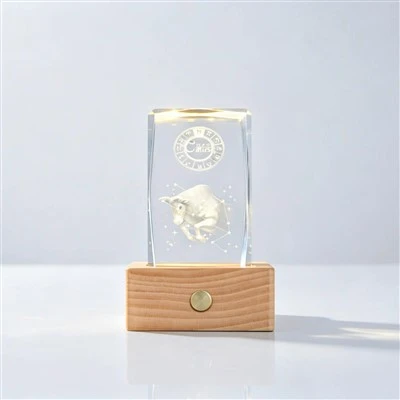
Let’s cut to the chase here. A lot of people think glass blocks are just for walls, shower enclosures, or decorative partitions—fair, that’s what most people see them used for. But here’s the thing: modern crystal glass blocks aren’t the wobbly, frothy old-school blocks your grandma might’ve had in her basement window. The ones I supply are engineered to take way more abuse than you’d think, and a solid table top is totally feasible. But before you run off to build a whole dining table out of them, let’s break this down the way I do with my clients—no fluff, just real talk, backed by the science of what makes these blocks work.
First, let’s talk about the core material of our crystal glass blocks. Each block is made from 100% recycled soda-lime glass, melted at around 1700°F, pressed into a hollow or solid shape (wait, we do both! We have solid blocks specifically made for high-load applications, which is exactly what you want for a table top). Solid blocks, in particular, have a compressive strength of about 10,000 psi—for context, residential countertops like granite usually clock in around 20,000 psi. That means solid crystal glass blocks can easily hold the weight of a full set of dinnerware, plus a couple of heavy vases or even a small coffee table set up on top. We’ve had clients use them for kitchen islands that get daily use—mixing, chopping (I mean, fine, maybe don’t chop straight on them with a chef’s knife, but a cutting board is non-negotiable here), and even rolling out pizza dough. No cracks, no warping, no issues.
Wait, but what about the hollow ones? Can those work? I’d be honest—if you’re using the thin, decorative hollow blocks for a wall, don’t. Hollow blocks only have a compressive strength of around 3,000 psi, which is basically like putting a soda can on top. But the solid blocks we stock are a different animal—their walls are 1/2 inch thick, and they’re fused at the edges during manufacturing, so there’s no weak spot where two blocks meet. That’s a big deal. When you’re building a table top, you’re not just stacking blocks; you’re mortaring them together with a specialized adhesive (we actually sell a high-strength clear mortar made just for this, which eliminates that cloudy grout look) and then sealing the whole surface with a UV-resistant, food-safe sealant. That sealant is key because it creates a non-porous barrier—no stains from red wine, coffee, or olive oil seeping in, which is way better than some natural stones that etch from acidic drinks.
I’ve heard a lot of folks say, “Glass is slippery, so a table top would be dangerous.” But here’s a secret—our crystal glass blocks have a slightly textured, frosted interior or a smooth, low-sheen exterior, depending on the finish you pick. The low-sheen finish has a static coefficient of friction that’s similar to quartz, so plates and glasses don’t slide around unless you’re really jostling the table. And if you’re worried about kids knocking over juice boxes, the sealant we use is scratch-resistant enough for everyday use—no tiny marks from silverware or toy cars, which is a huge win for busy households.
Let’s get into the design side, because that’s why a lot of people love crystal glass block table tops. Unlike solid countertops, these blocks let light pass through them—so if you have a dining table near a window, natural light will filter through the table top, casting these beautiful, prismatic shadows that change throughout the day. I’ve had a homeowner in Portland use them for a patio table, and at night, string lights under the table shine through, making the whole space feel like a cozy, glowing oasis. You can mix and match colors too—we have 12 different hues, from soft blues and greens to deep ambers and even frosted clear, so you can customize it to match any decor. Modern industrial? Dark gray blocks. Boho-chic? Pastel tinted ones. Minimalist? Clear, smooth blocks. No more generic countertop vibes.
But hold up—there are a few caveats I have to throw out here, because I don’t want someone to order blocks and end up with a broken table. First, size matters. If you’re making a large dining table (like 8 feet long), you’re going to need to frame the table with a sturdy base—we recommend steel or solid wood frames with cross supports every 2 feet. If you just lay blocks on a thin plywood frame, it’s going to flex, and even the solid blocks will crack over time. Second, weight. Crystal glass blocks are heavier than, say, laminate—each solid block weighs about 4 pounds. A 6-foot table would need roughly 40 blocks, so that’s 160 pounds just for the top. That means if it’s a kitchen island, you need to make sure your cabinets or base can support that weight—no flimsy IKEA bases here. Third, installation isn’t a DIY job. I’ve seen a few people try to do it themselves, and they end up with uneven blocks or gaps that trap dirt. It’s best to hire a contractor who’s worked with glass blocks before, or if you’re handy, follow the exact installation guide we provide (we send a free guide with every bulk order, fyi).
Wait, let’s talk about durability long-term. A lot of customers ask, “Will this table top last 10 years? 20?” From what we’ve seen with our own clients, yes. One client in Seattle has a crystal glass block coffee table that’s been in their family for 15 years—no stains, no cracks, still looks like new. The key is regular care: just wipe it down with a mild soap and water, no harsh chemicals like bleach, which can break down the sealant. If a chip does happen (unlikely, but possible), we sell replacement blocks so you don’t have to replace the whole table. That’s way more sustainable than replacing a solid countertop every few years.
I also get asked, “How does this compare to other table tops in terms of cost?” Let’s be real, crystal glass blocks aren’t the cheapest option out there, but they’re not as expensive as high-end marble or natural stone. A 6-foot table top will run you about $800-$1,200 for the blocks, plus installation and the base. For reference, a similar quartz countertop is around $1,500-$2,000. And since they’re so durable, you’re not going to have to sink money into repairs or replacements down the line. Plus, the unique light effect is something you can’t get with any other material—your guests are going to notice, I promise.
Now, let’s clear up some myths I hear all the time. Myth #1: Glass blocks are fragile. No, not the solid industrial-grade ones we supply. The hollow ones might break if you drop a sledgehammer on them, but a table top is only going to get normal daily impacts—dropped forks, set down hot pans (wait, another win! They’re heat-resistant up to 300°F, so you can set a hot casserole dish right on them, no trivet needed. That’s not true for a lot of natural stones, which can crack from sudden temperature changes). Myth #2: They’re only for commercial spaces. Nope, we sell more blocks for residential table tops than we do for commercial walls these days. Homeowners are sick of the same old granite and quartz, and they want something that’s functional but also a conversation starter.
I remember a project we did last year with a designer in Brooklyn. She used our clear solid blocks to make a bar table in a speakeasy-style apartment. The table glows when the bar lights are dimmed, and people would just lean over and run their hands over the smooth surface. She told us it was the first thing her clients asked about when they walked in, and that’s exactly what we’re going for—crystal glass blocks aren’t just a construction material, they’re a design feature that works for everyday use.
So, to circle back to the original question: Can crystal glass blocks be used as table tops? Absolutely—if you use the right type of blocks (solid, high-load ones), build a sturdy base, get a professional installation, and seal them correctly. It’s not for every project, but if you want a durable, unique, light-filled table top that stands up to daily use, it’s a great option.
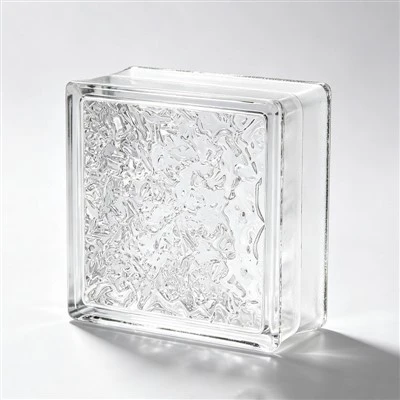
If you’re thinking about trying it out—whether it’s a kitchen island, patio table, coffee table, or bar top—we can help. We’ll send you free samples so you can see the finish and texture in person, and we can walk you through the best blocks for your specific project. Don’t waste another minute on generic countertops that blend into the background—your table top should be something you love showing off, and crystal glass blocks deliver that. Reach out to us to chat through your project, no pressure, just real advice.
Car Parts Decorations References:
- American Glass Block Manufacturers Association. (2021). Technical Specifications for Structural Glass Block Applications.
- International Code Council. (2022). Residential Building Code: Glass Block Load Requirements.
- National Kitchen and Bath Association. (2023). Countertop Material Durability and Maintenance Guidelines.
- US Department of Energy. (2020). Light Transmission Properties of Architectural Glass Products for Residential Spaces.
Yiwu Meiyinbao Import & Export Co., Ltd.
Yiwu Meiyinbao Import & Export Co., Ltd. is one of the most experienced crystal glass block manufacturers and suppliers in China, also supports customized service. We warmly welcome you to wholesale bulk cheap crystal glass block from our factory. If you have any enquiry about free sample, please feel free to email us.
Address: Longhui Village Zone 1 Choujiang Subdistrict Yiwu City Zhejiang Province China
E-mail: sales@yiwuhonestal.com
WebSite: https://www.yiwucrystal.com/
