Hey everyone, let’s cut to the chase – if you’ve ever wandered the art supply aisle, stared at a jar of UV primer, and thought “wait, can I actually use this for my art projects, or is it just for industrial stuff?” that’s exactly the question our team gets, like, once a week. I’m part of a small UV primer supplier that’s been around for a minute, and yeah, we’re biased, but I’ve seen this stuff do wild, awesome things for artists that most craft store primers just can’t pull off. Let’s break this down without the boring jargon, okay? UV Primer
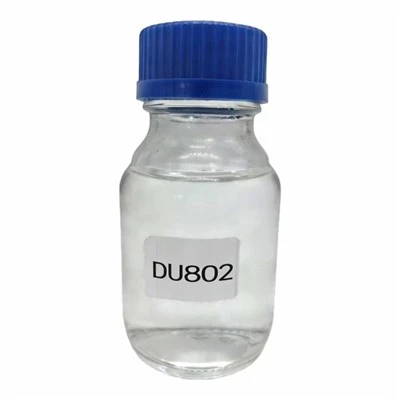
First, let’s get one thing straight: UV primer isn’t just for metal parts on cars or industrial woodwork. We get painters, muralists, mixed media artists, even ceramic sculptors hitting us up asking if our primer works for their projects, and the short answer is 9 times out of 10 – hell yeah, it does. But let’s actually explain why, because a lot of people hear “UV” and think it’s some weird, industrial chemical that’ll ruin their paint. No, it’s just a primer that cures (dries completely, hard, no sticky spots) when exposed to UV light – that could be sunlight, a UV lamp, even the black light at your local concert. The whole point of a primer is to create a smooth, grippy surface so your topcoat (paint, ink, whatever you’re using) doesn’t peel, right? Regular craft primers work, but they have downsides – they take forever to dry, they’re streaky on weird surfaces, they get yellowy over time if you use them on a big project. UV primer fixes all that.
Let’s start with a super common use case: muralists. I had a guy hit us up last year who paints big outdoor murals on concrete walls. He’d been using oil-based primers for years, but they’d take like 24 hours to dry in shade, and if a random sprinkler hit his half-finished mural, it’d run like crazy. When he tried our UV primer, he set up his portable LED UV lamp for 10 minutes, and it was fully dry. No runs, no streaks, even when he sprayed it on rough concrete that regular primer would soak into unevenly. Another win for murals: UV primer doesn’t yellow. We all know that white paint or clear sealant turns that weird tan color after a couple years in the sun – UV primer resists that because it’s formulated to block UV rays from breaking down your topcoat, not just cure itself. So his murals stay bright for way longer, even in super sunny climates. That’s a game-changer for someone who spends thousands on spray paint and acrylics for a single wall.
Next, mixed media and small-scale artists. I know so many people who work with weird surfaces: wood that’s got knots, old pottery, even plastic or glass that’s meant for DIY projects. Regular primer sometimes doesn’t stick right to those – I’ve had acrylic paint peel off a plastic water bottle I decorated, like, a month later, and it’s the worst. Our UV primer adheres to almost anything because it’s made to cross-link (that’s the fancy word for bonding tight, no gaps) with different surface types. I tried it on a DIY resin coaster project last month: sanded a piece of wood, brushed on a thin coat of our UV primer, zapped it with a UV lamp, then poured epoxy resin on top. The resin didn’t bubble, didn’t peel, and had a way smoother finish than when I used regular craft primer. For people who do stuff like custom phone cases, ceramic mugs, or even canvas art that’s going to hang in a bright window, UV primer is perfect. It’s also thin enough that you don’t get that thick, chalky build-up that some craft primers have – so your fine details don’t get lost under extra layers.
Wait, but let’s talk about the downsides, because I’m not gonna hype something that’s not for everyone. A lot of beginners hit us up and say “can I just use this instead of all my other primers?” No, not if you’re working with super delicate, water-based art that’s super thin. Also, if you don’t have a UV light source, you gotta plan ahead. Our primer cures in direct sunlight in about 15 minutes, but if you’re in a cloudy area, you’ll need a small UV lamp – those are like $20 at Amazon, nothing fancy. Also, don’t use too thick of a coat. If you slather it on like you’re frosting a cake, it’ll take longer to cure, and might crack when it dries. We always tell artists to do thin, even coats – two light layers are way better than one thick one. I’ve seen so many people mess that up, and it’s such a simple fix.
Another big one: UV primer for artists who work with glow-in-the-dark or fluorescent paints. Oh my god, this is where it shines (pun totally intended). Glow paints need a dark, smooth surface to charge, right? Regular primer can leave little bumps that make the glow uneven, and it might even block some of the light the glow paint needs. Our UV primer is totally clear, so it doesn’t tint your surface at all, and it cures to a super smooth, flat finish. I did a test on a canvas last year: one side had our UV primer, the other had regular acrylic primer. I painted both sides with the same neon pink glow paint, charged them under a black light for 5 minutes, and the side with the UV primer glowed twice as bright and even didn’t have that weird streaky look that the other side had. That’s why so many street artists and club decor people use it – the neon pops way more, and it lasts longer.
Let’s also address the “is it toxic?” question, because artists care about that. We make our UV primer for art projects, not industrial jobs, so we don’t use harsh VOCs (volatile organic compounds, the stuff that gives paint that strong smell). It has a mild smell, nothing like oil-based primer, and once it’s cured, it’s totally non-toxic. I’ve even had teachers hit us up for school art projects, because it dries so fast – no waiting around for kids to get paint on wet primer and mess everything up. Just make sure you wear gloves when you apply it, same as any art supply, and you’re good to go.
Wait, I should mention a common mistake people make: mixing it with other products. A lot of artists add a little paint to their primer to tint it, which is fine, but don’t add too much pigment. If the pigment blocks the UV rays from reaching the primer layer, it won’t cure all the way, and it’ll stay sticky. I once had a painter send us a photo of her project that was sticky, and she’d mixed half her acrylic paint into the primer – oops, that’s why. Thin tint is okay, heavy tint? Not so much. Stick to clear primer if you want the best adhesion, then paint over it with your color. That’s the trick.
So who is UV primer perfect for? Let’s list it out, so you know if it’s for you: if you do outdoor murals, custom resin or epoxy projects, glow-in-the-dark/fluorescent art, work on weird surfaces (plastic, metal, ceramic), hate waiting for primer to dry, or want your art to last longer in the sun. Who should maybe stick to regular craft primer? If you’re doing super fine watercolor art, work on super delicate paper that can’t handle any extra layer, or don’t have access to a UV light (though like I said, sunlight works if you’re in a sunny spot).
At the end of the day, the biggest perk of UV primer for art is the durability and speed. I’ve seen an artist who painted a custom skateboard deck in an afternoon – primed, painted, clear coated, all done in like 3 hours, whereas before that, priming and letting it dry would take her a whole day. And it doesn’t peel, doesn’t yellow, keeps the art bright. That’s the stuff artists need, right? We built our business because we saw how artists were getting stuck with subpar products that let their work down, so we formulated a UV primer that’s made specifically for their projects, not just industrial work.
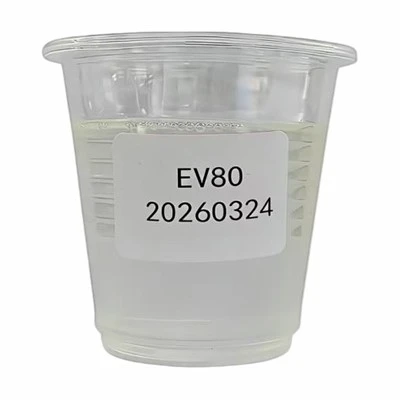
If you’re curious about testing it out, or have a specific project you’re working on and want to know if our primer works for it, hit us up to talk shop. We’re not pushy salespeople – we’re artists too, we get that you just want your work to turn out how you imagine it. We can send sample sizes so you can test it on a small project first, no pressure. Whether you’re painting a tiny custom mug or a whole wall mural, we’ve got options that’ll fit what you need.
EVA Primer References:
- National Art Education Association. (2021). Non-toxic, durable surface preparation materials for studio art. Art Education Journal.
- Paint Research Association. (2020). UV-cured primers for artistic and industrial coating applications. Journal of Coatings Technology and Research.
- Outdoor Muralists Association. (2022). Best practices for surface preparation and long-term mural durability. OMA Annual Guide.
- Artist Materials Magazine. (2023). Testing adhesion of specialty primers on non-traditional art surfaces. Artist Materials Monthly.
- Environmental Protection Agency. (2019). Low-VOC coating options for small-scale art and craft projects. EPA Green Business Program Guidelines.
Guangdong Yrbest High Polymer Technology Co., Ltd.
Guangdong Yrbest High Polymer Technology Co., Ltd. is one of the most professional uv primer manufacturers and suppliers in China, featured by quality products and good price. Please rest assured to buy bulk advanced uv primer from our factory. Contact us for quotation and free sample.
Address: Room 1701, No.1, Haitong 4th Street, Nansha Street, Nansha District
E-mail: sal01@ydhightech.com
WebSite: https://www.ydhightech.com/
