If you’ve ever stepped into a small apparel workshop, a custom embroidery studio, or even a home craft space, you’ve probably seen both standalone sewing machines and standalone embroidery machines humming away at their tasks. But if you’ve noticed a single machine labeled “combination” or “combo,” you might have wondered how it stacks up against those two separate tools. As a supplier of combination embroidery machines, I work with customers every day who are trying to decide whether to invest in a combo or stick with two separate machines—and the gap between these options is often bigger than people realize. Let’s break down the key differences, so you can see why a combo might be the right fit for your work, especially if you’re just starting out or looking to expand your capabilities without the overhead of extra equipment. Combination Embroidery Machine
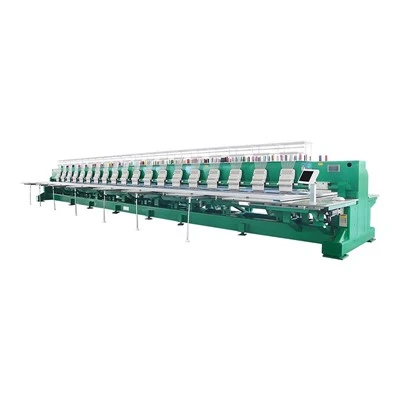
First, let’s start with what each machine is designed to do at its core. A standalone sewing machine is built for construction: stitching fabric panels together, inserting zippers, hemming, creating pleats, and making the basic seams that turn a piece of cut fabric into a wearable item. It operates with a straight stitch or basic zig-zag stitch, focusing on strength and durability. Standalone embroidery machines, by contrast, are built exclusively for decorative design: they stitch out logos, monograms, floral patterns, text, and intricate designs onto the surface of already constructed items like hats, jackets, tote bags, or even pillowcases. These machines use specialized hoops to hold fabric taut, and they switch out thread colors automatically to complete multi-colored designs, with a focus on precision and detail.
A combination machine, as the name suggests, does both. It combines the construction capabilities of a sewing machine with the decorative stitching power of an embroidery machine, all in one unit. That’s not just a minor feature add-on— it’s a fundamental reengineering of the machine’s internals. For example, combo machines have two distinct modes: sewing mode, which uses a standard needle and throat plate for construction work, and embroidery mode, which lets you swap the throat plate for a hoop mechanism, switch to embroidery-specific thread, and access design editing software. Most combo machines also come with built-in design libraries, or let you import designs from a computer, something that many entry-level standalone sewing machines don’t offer.
Now, let’s get into the practical differences that matter to anyone using these machines, whether you’re a hobbyist making custom gifts or a small business owner running a workshop. One of the biggest factors is space. A small workshop or a home craft room rarely has room for two large, heavy machines. Standalone sewing machines and standalone embroidery machines are each sized for their tasks, so a commercial-grade standalone embroidery machine can take up as much space as a small desk. A combo machine, on the other hand, is compact enough to fit on a standard 24-inch worktable, making it ideal for people who don’t have a dedicated studio space. That’s a huge selling point for new business owners who are working out of a garage or a spare bedroom, where every square foot counts.
Next, there’s cost. If you’re just starting out, buying two separate machines— a reliable sewing machine and a functional embroidery machine— can add up quickly. Entry-level standalone sewing machines start around $150, but a basic standalone embroidery machine that can handle custom designs starts at around $500, and commercial models go much higher. A combo machine, by contrast, typically costs 20 to 30 percent less than buying two comparable entry-level machines, and even mid-range combo machines under $1,500 can match the capabilities of standalone machines that cost twice as much. For small businesses, that’s money you can put toward materials, marketing, or expanding your product line instead of investing in duplicate equipment.
But wait— that doesn’t mean combo machines are perfect for every use case. There are key differences in performance that set standalone machines apart, especially for heavy-duty or specialized work. Standalone sewing machines, for example, have more powerful motors and thicker throat plates that can handle heavy fabrics like denim, leather, or canvas without jamming. They also have a wider range of basic stitches, like buttonholes, blind hems, and stretch stitches, that are designed specifically for construction work. Standalone embroidery machines, meanwhile, often have larger hoop sizes and more precise tension control, which makes them better for intricate, large-scale designs like a full back logo on a jacket, or high-volume production runs where speed and consistency are key. Most standalone embroidery machines can also run multiple needles, allowing them to switch thread colors automatically without stopping, which cuts down on production time for big orders.
Combo machines, on the other hand, are designed for versatility, not maximum power or speed. They can handle medium-weight fabrics like cotton, fleece, and polyester, but they may struggle with thick leather or multiple layers of denim, especially in sewing mode. Their embroidery hoops are usually smaller than standalone models, so large designs may have to be stitched in sections, which can take extra time and risk misalignment. They also typically have fewer built-in thread colors, so you may have to stop frequently to swap spools for multi-colored designs, slowing down production for big orders. That’s not to say combo machines can’t do professional work— many of our customers use them for custom gifts, small-batch apparel, and personalization services that don’t require heavy-duty or large-scale embroidery.
Another big difference is ease of use and learning curve. For someone who’s just learning to sew and embroider, a combo machine simplifies the process because you only have to learn one set of controls. Most combo machines come with step-by-step tutorials that walk you through switching between sewing and embroidery mode, loading designs, and adjusting tension, so new users don’t have to learn two different sets of machine logic. Standalone machines, by contrast, have separate interfaces and maintenance requirements, so you’ll need to learn how to use two tools, which can be overwhelming for beginners. That said, if you’re already experienced with one machine, switching to a standalone model for a specific task may be more intuitive than adapting to a combo’s dual-function design.
Maintenance is another area where combo machines differ from standalone units. Because they have more moving parts— two different needle systems, a hoop mechanism, and dual sets of controls— combo machines require a bit more regular upkeep to keep both modes working properly. You’ll need to clean the bobbin area, lubricate the moving parts, and switch between sewing and embroidery components regularly, which adds a small amount of time to your routine. Standalone machines, being specialized, have simpler maintenance needs: a sewing machine only needs care for its stitching components, and an embroidery machine only needs care for its hoop and thread mechanisms. For commercial users who run their machines 8 to 10 hours a day, that specialized maintenance can save time in the long run, even if the initial cost is higher.
Let’s also talk about use cases, because the best machine depends on what you’re making. If you’re a hobbyist who wants to make custom monograms on tote bags, hem your own clothes, and stitch small designs on hats, a combo machine is perfect. It lets you do everything you need in one spot, without the hassle of moving fabric between two machines. If you’re a small business that specializes in custom wedding dresses, where you need to sew heavy satin and add intricate lace embroidery, you might opt for a standalone sewing machine for the construction and a standalone embroidery machine for the delicate designs, because the combo won’t handle the heavy satin or fine lace as well. If you’re a high-volume producer that does 500 custom jackets a week with full back logos, a standalone embroidery machine will be faster and more consistent than a combo, since it can run multiple needles without stopping.
At our company, we’ve seen these differences firsthand from our customers. Last year, we worked with a woman who started a side business making custom baby blankets. She bought an entry-level combo machine when she was just starting out, because she could sew the fleece panels and add monograms in the same machine, working out of her home without the space for two machines. As her business grew to 20 blankets a week, she upgraded to a mid-range combo machine that handled thicker minky fabric and larger hoops, and she still uses it today. We also work with a small apparel company that makes team uniforms. They started with a combo machine, but when their orders grew to 100 uniforms a week, they invested in two standalone machines: one for sewing the uniform panels, and one for commercial embroidery. They told us that the combo was great for their first year, but the standalone machines cut their production time in half for large orders.
So, to sum it up: the core difference is specialization vs. versatility. Standalone sewing machines specialize in construction, standalone embroidery machines specialize in decorative stitching, and combo machines specialize in doing both, all in one unit. Combo machines win on space, cost, and ease of use for small-scale work, beginners, and hobbyists. Standalone machines win on power, speed, and precision for heavy-duty, large-scale, or high-volume work.
If you’re trying to decide which is right for you, ask yourself a few questions: What kinds of projects will I make most often? Do I have space for two separate machines, or do I need a compact setup? What’s my budget, and will my projects grow in the next year or two? If you’re just starting out, working on small projects, and need to keep costs and space low, a combination embroidery machine might be exactly what you need to get started without the hassle of extra equipment.
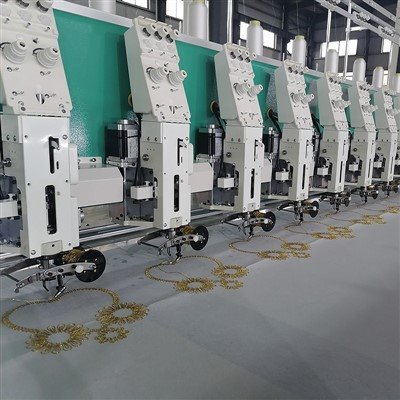
We offer a range of combo machines for every skill level, from entry-level models perfect for beginners to mid-range units that can handle small business production runs. To discuss your specific needs, compare models, or get a custom quote, please reach out to our team to arrange a consultation. We’re here to help you find the right machine for your projects, whether you’re just starting out or looking to upgrade your current setup.
Combination Embroidery Machine References
- Goldsmith, J. (2021). The Complete Guide to Sewing and Embroidery Machines. Craft Industry Press.
- Smith, L. (2022). Small Business Equipment Guide for Apparel and Custom Craft Shops. Retail Equipment Association.
- Miller, R. (2020). Maintenance Best Practices for Combination Sewing and Embroidery Machines. Industrial Machine Maintenance Journal.
- Carter, A. (2023). Capacity and Performance Differences Between Standalone and Combo Machines. Textile Machinery Review.
- Patel, S. (2021). Cost-Benefit Analysis of Commercial Craft Equipment for Startup Businesses. Small Business Administration Technical Report.
Yiwu Kuhao Import and Export Co., Ltd.
As one of the most professional combination embroidery machine manufacturers in China, our products have good reputation in the market. Welcome to buy discount combination embroidery machine made in China here and get quotation from our factory. All customized products are with high quality and low price.
Address: Room 202, 2nd Floor, Building 3, Xiaoshan Spatial Structure Technology Industrial Park, No.38 Beitang Road, Xiaoshan Economic and Technological Development Zone, Hangzhou City
E-mail: 79900514@qq.com
WebSite: https://www.kuhaoembroidery.com/
