If you’ve ever ordered weld end caps from our facility, you’ve probably seen us note “stress relief recommended” right there on the spec sheet. I get it—half the time, when a fabricator or maintenance team first reads that line, they’re busy juggling a dozen projects, and it’s easy to file that advice away as “nice-to-have” instead of “critical.” But after 12 years running our weld end cap supply business, I’ve seen way too many projects derail because someone skipped that step. Today, I want to break down exactly why stress relief matters for weld end caps, when you absolutely can skip it, and how we tailor advice specifically to the parts we make. Weld End Caps
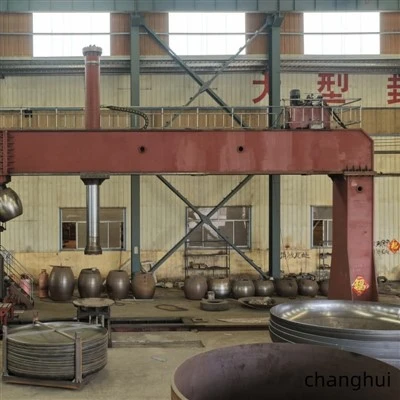
First, let’s start with the basics: what actually happens when you weld a steel weld end cap to a pipe, tank, or vessel. Welding generates intense, localized heat—we’re talking thousands of degrees at the joint. When that heat hits the steel, two things happen quickly: first, the metal at the weld zone and the surrounding heat-affected zone (HAZ) expands dramatically. Then, as the weld cools, it contracts. Here’s the problem: the base metal (the pipe or vessel) doesn’t expand and contract at the same rate as the weld metal. That mismatch creates residual stress—and a lot of it. It’s not like the stress you feel after a long workday; it’s locked-in tension that sits in the metal grain structure, just waiting for the right trigger to cause damage.
I’ve seen this play out firsthand on a mid-sized chemical plant project about seven years back. We supplied 2-inch Schedule 40 carbon steel weld end caps for a new processing line. The piping team on site rushed the installation, skipped stress relief, and the line passed all its pressure tests on day one. By day three, they were dealing with a pinhole leak right at the weld zone. When we got a call to send a technician out to cut out the bad cap, we found that the residual stress had pulled the weld apart enough to create a tiny gap—something the pressure test, which only ran for an hour, never caught. The fix? Removing the weld, stress-relieving the new cap and pipe joint, and re-welding. That delay cost the plant an estimated $18,000 in downtime, not to mention the cost of rework. That’s the kind of story that makes me laser-focused on getting this advice right for every customer.
Now, not all weld end caps are the same, and not every scenario calls for full stress relief. Let’s get into the science of when it’s mandatory, when it’s optional, and what counts as “stress relief” anyway. For those who don’t know, stress relief (in this context) is a heat treatment process: you heat the entire part uniformly to a specific temperature (usually between 1100°F and 1250°F for carbon steel, lower for alloys), hold it there long enough for the metal’s grain structure to relax, then cool it slowly and evenly. It’s not a one-step process—if you rush the cool-down, you’re just creating new residual stress, so it has to be done right.
When is stress relief non-negotiable? First, any weld end cap used in a pressure system that operates at or near its design limit. That includes oil and gas pipelines, chemical processing vessels, power plant boilers, and even fire sprinkler systems. The American Society of Mechanical Engineers (ASME) Boiler and Pressure Vessel Code (BPVC) is the gold standard here—Section VIII, which covers pressure vessels, explicitly requires post-weld stress relief for most weld end caps on vessels with an internal pressure over 15 psi, or for vessels made from high-strength steel, stainless steel, or alloy steel. I’ve lost count of how many fabricators come to us and say, “We just need a cap for a small pressure tank,” and when we check the spec, it’s a Section VIII job, so stress relief is required. Cutting that step can lead to brittle fracture, especially in cold climates where lower temperatures make metal more prone to cracking. We had a customer in northern Minnesota a few years back who skipped stress relief on a weld end cap for a above-ground storage tank, and a winter temp of -20°F was all it took for the residual stress to cause the cap to split completely. The tank lost 500 gallons of heating oil before they could shut it down. That’s avoidable, plain and simple.
Next, weld end caps on parts that will be exposed to cyclic loading or extreme temperature swings. Think of a pipeline that’s heating up and cooling down every day as it carries crude oil, or a vessel used in a food processing plant that cycles between hot water for cleaning and cold product during operation. Those repeated temperature changes will cause the residual stress in the weld zone to amplify over time, leading to fatigue cracking that starts tiny and grows until the part fails. I worked with a food and beverage client last year who had a series of batch tanks with weld end caps that were failing every 18 months. They had been skipping stress relief because their old supplier said “small parts don’t need it.” When we inspected the failed caps, we found fatigue cracks starting right at the weld toe, directly tied to residual stress. We switched them to our custom-sized weld end caps, and made sure every cap was stress-relieved before shipping. Three years later, those same tanks haven’t had a single cap failure. The upfront cost of stress relief was minimal compared to the downtime they were dealing with before.
Now, the exceptions—because we know every project has budget and timeline constraints. When can you maybe skip stress relief? It depends on the material, the application, and the skill of the welder doing the work. For low-carbon steel weld end caps used in non-pressure applications—like a vent cap for a storm drain, or a decorative cap on a structural steel beam—residual stress is rarely a problem. The load on those parts is minimal, and there’s no pressure or cyclic loading to amplify the stress. That said, even here, we always advise customers to follow industry best practices if the part will ever be re-purposed later. I’ve seen a structural beam cap on a warehouse roof get hit by a falling pallet, and the residual stress from the un-relieved weld made it snap instead of bending. It’s a rare case, but it’s worth noting.
Another exception: small, low-load weld end caps welded by a highly experienced, certified welder using controlled parameters. If the weld is done with minimal heat input (so less expansion/contraction mismatch), and the part isn’t going to see extreme conditions, some codes and guidelines allow skipping stress relief. But I always stress to our customers that this is a conditional “maybe,” not a rule. For example, a 1-inch low-carbon steel weld end cap on a small irrigation pipe that never operates above 50 psi? That’s probably safe without stress relief. A 12-inch cap on a major irrigation line that operates at 100 psi? You’re rolling the dice if you skip it. We always provide a material spec sheet with every weld end cap we ship, and it notes the minimum stress relief requirements for that specific material size. That way, our customers don’t have to guess.
Now, let’s talk about how we handle stress relief at our facility, because not all suppliers are the same. A lot of weld end cap shops will cut corners here. They’ll tell you stress relief is “optional” to get the sale, then sell you un-relieved parts that might fail later. But for us, stress relief isn’t an afterthought—it’s a core part of our quality control process for any part that meets the criteria we discussed. We have two industrial stress relief ovens on-site, calibrated annually to meet ASME standards. Every cap we process for pressure systems, cyclic loading, or alloy steel goes through the full stress relief cycle: slow heat-up to the correct temperature, hold time that’s based on cap thickness (we use 1 hour per inch of thickness, per BPVC guidelines), and controlled cool-down over 24 to 48 hours. We also mark every stress-relieved weld end cap with a small, permanent stamp on the end: “SR” so our customers know exactly what they’re getting. No surprises, no cutting corners.
I also want to address a common misconception I hear all the time: “If the weld doesn’t leak during testing, it’s fine.” That’s a dangerous myth. Pressure tests only check for gross leaks, not the hidden residual stress that causes internal cracking or fatigue. I’ve seen welds that passed a 24-hour pressure test with zero leaks, only to develop a hidden crack from residual stress a month later when the line started operating at full load. The pressure test is a minimum requirement, not a guarantee of long-term performance. That’s why stress relief is about preventing failure over the life of the part, not just passing a one-time test.
So, what should you do if you’re a fabricator, plant manager, or maintenance team trying to decide if your weld end caps need stress relief? First, check the governing code or standard for your application. If you’re working on a pressure vessel, pipeline, or any part covered by ASME BPVC, API, or ASTM, the code will outline specific stress relief requirements. Second, consider the operating conditions: cyclic loading, extreme temperatures, and pressure all increase the need for stress relief. Third, don’t rely on the welder’s or supplier’s casual advice—ask for a written note on stress relief requirements, and make sure your supplier stands behind the parts they sell.
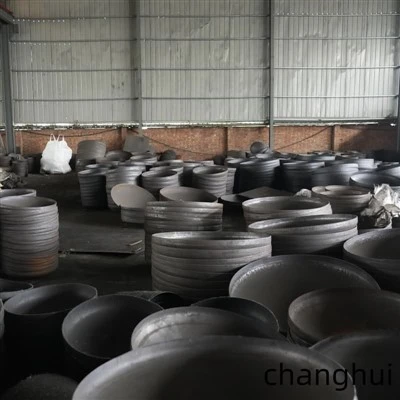
At the end of the day, I built our weld end cap business on two promises: deliver high-quality parts that fit exactly what our customers need, and provide honest, actionable advice that helps them avoid costly mistakes. I’ve seen the damage that comes from skipping stress relief, and I’d rather a customer ask, “Do I need stress relief?” ten times than regret skipping it once. If you’re working on a project right now, and you’re not sure if your weld end caps need stress relief, or you want to order custom weld end caps that meet your exact project specifications, feel free to reach out to our team to discuss your requirements. We’ll give you straight answers, no sales pressure, no fine print.
References
Tank Heads ASME Boiler and Pressure Vessel Code, Section VIII: Pressure Vessels. American Society of Mechanical Engineers, 2023.
API 5L: Pipeline Transportation Systems for Liquid Hydrocarbons and Other Liquids. American Petroleum Institute, 2022.
Norton, R. L. Machine Design: An Integrated Approach. Pearson, 2020.
ASTM A370: Standard Test Methods and Definitions for Mechanical Testing of Steel Products. ASTM International, 2021.
Cangzhou Changhui Head Manufacturing Co., Ltd.
We are one of the most professional weld end caps manufacturers and suppliers in China, featured by quality products and good price. Please rest assured to wholesale durable weld end caps for sale here from our factory. Welcome to view our website for more information.
Address: South Industrial Zone, Yanshan County, Cangzhou City, Hebei Province, China.
E-mail: chunle.zhang@changhuitankhead.com
WebSite: https://www.changhuitankhead.com/
