Ventilation is a critical aspect of small – scale mine and tunnel operations, ensuring the safety and efficiency of the workforce and the overall functionality of the site. As a supplier of Mine & Tunnel Ventilation Fans, I have had the privilege of witnessing firsthand the importance of proper ventilation in these environments. In this blog, I will delve into the ventilation requirements for small – scale mines and tunnels, and explain how our ventilation fans can meet these needs. Mine & Tunnel Ventilation Fans
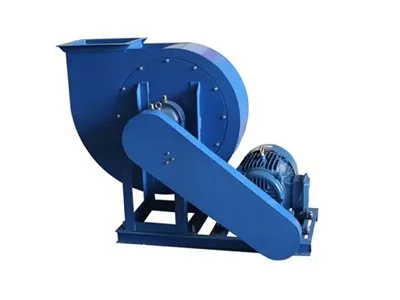
The Importance of Ventilation in Mines and Tunnels
Small – scale mines and tunnels are unique workplaces with a variety of potential hazards. One of the primary concerns is the presence of harmful gases. During mining and tunneling activities, gases such as methane, carbon monoxide, and nitrogen oxides can be released. Methane is highly flammable, and its accumulation can lead to explosions, a catastrophic event that poses a significant threat to the lives of workers and the integrity of the infrastructure. Carbon monoxide is a colorless, odorless gas that is extremely toxic. Inhalation of this gas can cause headaches, dizziness, nausea, and even death at high concentrations. Nitrogen oxides can cause irritation to the respiratory system and long – term health problems.
In addition to gas hazards, dust is another major issue. Mining and tunneling operations generate a large amount of dust particles, including silica dust. Prolonged exposure to silica dust can lead to silicosis, a serious and irreversible lung disease. Adequate ventilation helps to dilute and remove these harmful dust particles, reducing the risk of respiratory diseases among workers.
Furthermore, ventilation plays a crucial role in maintaining a comfortable working environment. In mines and tunnels, the temperature can rise significantly due to machinery operation and geothermal heat. Proper air circulation helps to remove heat and moisture, preventing heat stress and improving the overall working conditions for the crew.
General Ventilation Requirements
Airflow Rate
The airflow rate is a fundamental parameter in mine and tunnel ventilation. It is determined by multiple factors, such as the size of the mine or tunnel, the number of workers, the type of mining or tunneling activities, and the presence of machinery. As a general rule, the airflow rate should be sufficient to ensure that the concentration of harmful gases and dust is maintained below the allowable limits.
For small – scale mines, the recommended airflow rate typically ranges from 1.0 to 2.5 m³/s per worker. In tunnels, the airflow rate may need to be adjusted based on the length and cross – sectional area of the tunnel. In short tunnels, an airflow rate of 1 – 2 m³/s may be adequate, while longer tunnels may require higher rates, sometimes up to 5 – 10 m³/s or more to ensure proper air circulation throughout the entire tunnel.
Oxygen Concentration
The oxygen concentration in mines and tunnels is a vital parameter for worker safety. The recommended oxygen concentration is around 19.5% – 23.5%. If the oxygen concentration drops below 19.5%, it can cause hypoxia, leading to symptoms such as shortness of breath, fatigue, and impaired judgment. An oxygen concentration above 23.5% can increase the risk of fire and explosion. Ventilation systems must be designed to maintain the oxygen concentration within this safe range.
Carbon Dioxide and Other Gas Concentrations
Mining and tunneling operations produce carbon dioxide, among other gases. The allowable limit for carbon dioxide concentration is typically set at 0.5% – 1%. Higher concentrations of carbon dioxide can cause headaches, drowsiness, and in severe cases, loss of consciousness. Ventilation systems are tasked with removing carbon dioxide from the workspace to keep its concentration within the safe limit. Similarly, for other harmful gases like methane, the concentration should be kept below the lower explosive limit (LEL). For methane, the LEL is approximately 5%.
Dust Control
Effective dust control is a key ventilation requirement. Ventilation systems should be able to reduce the concentration of respirable dust particles to acceptable levels. The Mine Safety and Health Administration (MSHA) in the United States, for example, has set a permissible exposure limit (PEL) for respirable silica dust of 50 μg/m³. To achieve this, ventilation fans need to be capable of generating sufficient airflow to capture and remove dust particles from the air.
Specific Considerations for Small – Scale Mines
Layout and Design
Small – scale mines often have complex layouts, with multiple levels and narrow passages. This can make it challenging to ensure uniform air distribution. Ventilation fans need to be strategically placed to ensure that fresh air reaches all working areas. In some cases, auxiliary fans may be required to boost the airflow in specific sections of the mine.
Mining Methods
The type of mining method used also affects the ventilation requirements. For example, in underground coal mining, the risk of methane release is relatively high. Ventilation systems need to be designed to handle this specific hazard, with a focus on preventing methane accumulation. In contrast, in hard – rock mining, the primary concern may be dust control, and the ventilation system should be optimized to remove rock dust generated during drilling and blasting operations.
Surface and Underground Connectivity
Small – scale mines usually have a connection between the surface and the underground working areas. This connection is crucial for supplying fresh air and removing stale air. The ventilation system should be designed to ensure that there is a proper air – flow pattern through this connection. For example, a well – designed intake airway should be able to draw in fresh air from the surface, while the exhaust airway should efficiently remove polluted air from the mine.
Specific Considerations for Tunnels
Tunnel Length and Diameter
The length and diameter of a tunnel have a significant impact on ventilation requirements. In long tunnels, the pressure drop along the tunnel can be a major issue. Ventilation fans need to be able to overcome this pressure drop to maintain an adequate airflow rate. Additionally, in larger – diameter tunnels, more airflow may be required to ensure proper mixing and dispersion of pollutants.
Construction Stages
During the construction stage of a tunnel, the ventilation requirements can change significantly. For example, during the excavation phase, there is a high generation of dust and gases from drilling and blasting operations. The ventilation system needs to be able to handle this increased level of pollutants. Once the tunnel is completed and in operation, the ventilation requirements may shift to maintaining a comfortable environment for vehicle traffic or pedestrian movement.
Fire Safety
Tunnel ventilation systems also play a crucial role in fire safety. In the event of a fire in a tunnel, the ventilation system can be used to control the spread of smoke, provide a clear evacuation path for passengers and workers, and supply fresh air to the fire – fighting teams. Therefore, the ventilation fans should be designed to operate under high – temperature conditions and be able to reverse the airflow direction if necessary.
How Our Mine & Tunnel Ventilation Fans Meet the Requirements
Our ventilation fans are designed with the specific needs of small – scale mines and tunnels in mind. First, they are highly efficient in generating the required airflow rate. Our engineers have used advanced aerodynamic designs to optimize the fan blades, ensuring maximum airflow with minimum power consumption. This not only helps to meet the ventilation requirements but also reduces the operating costs for the mine and tunnel operators.
Secondly, our fans are built to handle the challenging environmental conditions in mines and tunnels. They are made of high – quality materials that are resistant to corrosion, dust, and mechanical damage. This ensures the long – term reliability of the ventilation system, reducing the need for frequent maintenance and replacement.
We also offer a range of fan sizes and configurations to suit different mine and tunnel layouts. Whether it is a small – scale mine with narrow passages or a long tunnel with a large cross – sectional area, we can provide the appropriate ventilation solution. Our fans can be installed in different locations, such as the intake airway, exhaust airway, or as auxiliary fans in specific sections, to ensure uniform air distribution throughout the workspace.
In addition, our ventilation fans are equipped with advanced control systems. These systems can monitor the air quality parameters, such as oxygen concentration, carbon dioxide concentration, and dust levels, in real – time. Based on the monitored data, the fan speed can be automatically adjusted to maintain the optimal ventilation conditions.
Conclusion

Proper ventilation is essential for the safety and efficiency of small – scale mines and tunnels. Meeting the ventilation requirements in terms of airflow rate, gas concentration, and dust control is a complex task that requires a well – designed ventilation system. Our Mine & Tunnel Ventilation Fans are engineered to address these challenges, providing reliable and efficient ventilation solutions for small – scale mines and tunnels.
Centrifugal Fans If you are an operator of a small – scale mine or tunnel and are looking for high – quality ventilation fans to meet your ventilation requirements, we are here to help. Our team of experts can provide you with professional advice and customized solutions. We believe that with our products and services, you can ensure a safe and comfortable working environment for your workforce and improve the overall productivity of your operations. Feel free to reach out to us for more information and to discuss your procurement needs.
References
- Mine Safety and Health Administration (MSHA). Safety and Health Standards for Metal and Nonmetal Mines.
- International Tunnelling and Underground Space Association (ITA). Guidelines for Tunnel Ventilation.
- American Conference of Governmental Industrial Hygienists (ACGIH). Threshold Limit Values for Chemical Substances and Physical Agents and Biological Exposure Indices.
Shandong Qiyue Fan Co., Ltd.
With abundant experience, we are one of the most reliable mine & tunnel ventilation fans manufacturers and suppliers in China. Please feel free to wholesale high quality mine & tunnel ventilation fans made in China here from our factory. We also accept customized orders.
Address: Dongchen Industrial Park, Zhoucun District, Zibo, Shandong, China
E-mail: sales@qiyuefan.com
WebSite: https://www.qiyuefan.com/
