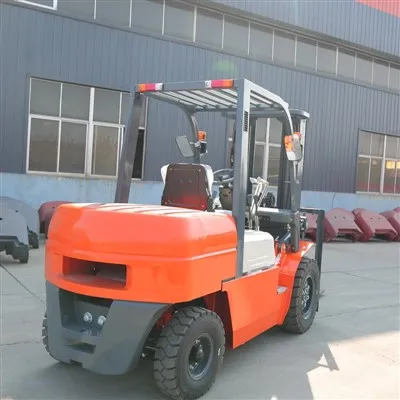
Off-road forklifts are essential workhorses in rugged environments, from construction sites to logging yards. These powerful machines rely heavily on their tires to navigate uneven terrain and carry heavy loads safely. As a leading off-road forklift supplier, I often get asked the question: "How often should I replace the tires on my off-road forklift?" In this blog post, I’ll delve into the factors that influence tire replacement intervals and provide some practical guidelines to help you make informed decisions. Off-road Forklift
Understanding the Importance of Proper Tire Maintenance
Before we discuss the replacement frequency, it’s crucial to understand why proper tire maintenance is so important for off-road forklifts. Tires are the only point of contact between the forklift and the ground, and they play a vital role in ensuring stability, traction, and load capacity. Worn-out tires can lead to a range of problems, including reduced traction, increased risk of accidents, uneven tire wear, and decreased fuel efficiency. By maintaining your off-road forklift tires in good condition and replacing them at the appropriate time, you can enhance the safety and performance of your equipment and minimize downtime.
Factors Affecting Tire Replacement Intervals
The frequency of tire replacement for off-road forklifts depends on several factors, including the type of tire, the operating environment, the load capacity, and the maintenance practices. Let’s take a closer look at each of these factors:
1. Type of Tire
There are several types of tires available for off-road forklifts, each designed for specific applications and operating conditions. The most common types of off-road forklift tires include pneumatic tires, solid tires, and foam-filled tires.
- Pneumatic Tires: These tires are filled with air and provide a smooth ride, excellent traction, and shock absorption. They are suitable for a wide range of off-road applications, including construction sites, agricultural fields, and mining operations. However, pneumatic tires are more susceptible to punctures and flats, which can reduce their lifespan.
- Solid Tires: Solid tires are made of solid rubber and are puncture-proof. They are ideal for applications where the risk of punctures is high, such as scrap yards and recycling facilities. Solid tires are also more durable and require less maintenance than pneumatic tires. However, they provide a rougher ride and less shock absorption.
- Foam-Filled Tires: Foam-filled tires are similar to pneumatic tires, but they are filled with a special foam instead of air. This makes them puncture-proof and provides a smoother ride than solid tires. Foam-filled tires are a good compromise between pneumatic and solid tires and are suitable for a variety of off-road applications.
The type of tire you choose will depend on your specific needs and operating conditions. Generally, pneumatic tires have a shorter lifespan than solid or foam-filled tires, especially in harsh environments.
2. Operating Environment
The operating environment is one of the most significant factors affecting tire replacement intervals. Off-road forklifts are often used in challenging conditions, such as rough terrain, uneven surfaces, and extreme temperatures. These conditions can cause excessive wear and tear on the tires, reducing their lifespan.
- Terrain: The type of terrain your off-road forklift operates on will have a significant impact on tire wear. Forklifts used on rough, rocky terrain will experience more wear and tear than those used on smooth, paved surfaces. Additionally, forklifts used in muddy or wet conditions are more likely to experience hydroplaning and uneven tire wear.
- Temperature: Extreme temperatures can also affect tire performance and lifespan. In hot weather, tires can overheat, causing the rubber to degrade and the tread to wear more quickly. In cold weather, tires can become brittle and crack, reducing their traction and durability.
- Chemicals and Abrasives: Off-road forklifts used in industries such as mining, agriculture, and construction are often exposed to chemicals and abrasives that can damage the tires. Chemicals such as acids, alkalis, and solvents can cause the rubber to deteriorate, while abrasives such as gravel and sand can wear down the tread.
3. Load Capacity
The load capacity of your off-road forklift is another important factor to consider when determining tire replacement intervals. Forklifts that carry heavy loads put more stress on the tires, which can cause them to wear out more quickly. Overloading the forklift can also increase the risk of tire failure, which can be dangerous.
- Load Weight: The weight of the load your forklift carries will determine the amount of stress placed on the tires. Forklifts with a higher load capacity require tires that are designed to handle the additional weight. Using tires that are not rated for the load capacity of your forklift can result in premature wear and failure.
- Load Distribution: The distribution of the load on the forklift is also important. Unevenly distributed loads can cause the tires to wear unevenly, reducing their lifespan. Make sure you distribute the load evenly across the forks and avoid overloading one side of the forklift.
4. Maintenance Practices
Proper maintenance practices can significantly extend the lifespan of your off-road forklift tires. Regular inspections, tire rotations, and proper inflation can help prevent premature wear and damage.
- Inspections: Regularly inspect your forklift tires for signs of wear, damage, and punctures. Look for uneven tread wear, cracks, bulges, and cuts in the rubber. If you notice any signs of damage, replace the tire immediately.
- Tire Rotations: Rotating your forklift tires at regular intervals can help ensure even wear and extend their lifespan. Most manufacturers recommend rotating the tires every 500 to 1,000 hours of operation or as specified in the owner’s manual.
- Proper Inflation: Maintaining the proper tire pressure is crucial for ensuring optimal tire performance and lifespan. Underinflated tires can cause excessive wear and tear, while overinflated tires can reduce traction and increase the risk of a blowout. Check the tire pressure regularly and adjust it as needed.
General Guidelines for Tire Replacement
While the factors mentioned above can vary significantly depending on your specific circumstances, there are some general guidelines you can follow to determine when it’s time to replace the tires on your off-road forklift.
- Tread Depth: The tread depth is one of the most important indicators of tire wear. Most off-road forklift tires have a tread depth of at least 0.25 inches. When the tread depth reaches 0.125 inches, it’s time to replace the tire. You can use a tread depth gauge to measure the tread depth of your tires.
- Age: Even if your forklift tires have sufficient tread depth, they may need to be replaced due to age. The rubber in tires deteriorates over time, especially when exposed to heat, sunlight, and other environmental factors. Most manufacturers recommend replacing tires that are more than five to seven years old, regardless of the tread depth.
- Visible Damage: If you notice any visible damage to your forklift tires, such as cracks, bulges, cuts, or punctures, replace the tire immediately. Visible damage can indicate a serious problem with the tire and can increase the risk of a blowout or other tire failure.
Conclusion
In conclusion, the frequency of tire replacement for off-road forklifts depends on several factors, including the type of tire, the operating environment, the load capacity, and the maintenance practices. By understanding these factors and following the general guidelines outlined in this blog post, you can ensure that your off-road forklift tires are replaced at the appropriate time, enhancing the safety and performance of your equipment and minimizing downtime.
Skid Steer Loader If you have any further questions about off-road forklift tires or need assistance in choosing the right tires for your application, please don’t hesitate to contact us. Our team of experts is always available to help you find the best solution for your needs. We look forward to discussing your off-road forklift requirements and helping you make the right purchasing decisions.
References
- Construction Equipment Guide. (2019). Understanding Off-Road Forklift Tires.
- Forkliftaction.com. (2020). Tire Selection for Forklifts.
- OSHA. (2018). Powered Industrial Trucks – Forklifts: Tire Safety.
Jining Sunsail Machinery Co., Ltd.
With abundant experience, we are one of the most professional off-road forklift manufacturers and suppliers in China. We warmly welcome you to buy high-grade off-road forklift made in China here from our factory. For price consultation, contact us.
Address: Room 410, Digital Industry Building, Rencheng District, Jining City, Shandong Province,China
E-mail: Sunsail_machinery@163.com
WebSite: https://www.sunsailmachine.com/
