If you’re a spec engineer, project manager, or just someone who’s ever glanced at the metal trays running along your building’s ceilings or electrical rooms, you’ve probably wondered: what’s the deal with cable tray fire ratings? I get it—when I started out at the cable tray supplier I work for, I thought “fire rating” was just a buzzword salespeople threw around to upsell. Turns out, it’s way more important than that. Skip the stuffy engineering textbooks for a sec—let’s break this down like I’d explain it to a contractor stopping by our warehouse for a quick question. Cable Tray
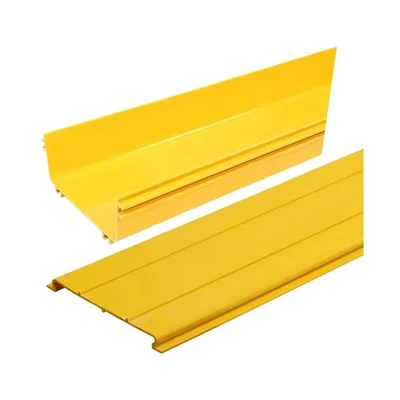
First off, fire rating for cable trays isn’t the same as the fire rating you see on drywall or fire doors. Those tell you how long a material resists flames to slow spread. Cable trays? They’re not just passive barriers—their rating is about two big things: how well they keep electrical cables running during a fire (critical for emergency systems like elevators, fire alarms, or hospital life support) and how much they keep flames from jumping between cables or different zones of a building.
Let’s start with the basics: most standard cable trays you’ll find on job sites are either galvanized steel, aluminum, or sometimes fiberglass-reinforced plastic (FRP). But their fire ratings aren’t set in stone by material alone. Wait, no—before you zone out, hear me out. The rating is usually tested per industry standards, right? We test our trays to meet UL 2024 for North America, or IEC 61537 for international jobs. Here’s what that testing actually entails: they rig a tray with cables inside, heat it to like 1,800°F (that’s way hotter than a campfire) and time how long the tray stays structurally intact, and how well it stops flames from passing through the tray’s sides or bottom to ignite cables on the other side.
Most general-purpose cable trays (the ones used for regular office power runs, not emergency systems) have a standard fire rating of 0 hours. Wait, that sounds weird, but it’s just their baseline—they’re not designed to hold up during a major fire, just to keep cables organized and off the ground. But if you need trays for critical systems? That’s when you go for rated trays, usually 1-hour or 2-hour fire ratings.
Let me give a real example. Last year, we supplied trays for a new hospital wing. The specs called for 2-hour fire-rated cable trays for the alarm system cables and the emergency power feeds. Why 2 hours? Because hospital fires don’t always get put out that fast—if a fire breaks out on a lower floor, the fire team needs time to get there and contain it. Those 2 hours mean the tray won’t collapse, and the cables inside won’t melt or short out, so the fire alarms work, and elevators keep running to move patients. That’s not overkill—that’s life-saving.
Wait, can you add fire protection to a standard tray if you already have one? Yeah, that’s a common question we get. Sometimes a project’s budget doesn’t allow for pre-rated trays, so contractors will wrap the tray with a fire-resistant coating or a intumescent blanket. Intumescent stuff is cool—it stays flat until it hits heat, then puffs up to a thick, insulating layer that slows heat transfer. But here’s the catch: that’s not a permanent fix. The coating or blanket will degrade over time from dust, moisture, or even just regular wear and tear. Pre-rated trays are way more reliable for critical jobs.
Also, don’t forget about the cables inside the tray. I see this mistake all the time: someone buys a fire-rated tray, then tosses in regular non-fire-rated cables. It’s like buying a fireproof safe and keeping a regular t-shirt inside—it defeats the purpose. The whole system (tray plus cables) has to be tested and certified together to get that official fire rating. That’s why at our shop, we always tell clients to confirm the cable specs alongside the tray—we can even help you match them if you’re not sure.
Another thing people mix up: “fire resistance” vs. “flame retardant.” Flame retardant is for cables themselves—it stops a cable from catching fire easily. Fire resistance for the tray is about keeping the cables running during a fire. Big difference. If you’re running cables through a parking garage or a utility closet where a small flame could spread fast, a flame-retardant tray might be enough, but for high-rises, data centers, or schools, you need that rated one.
What about non-metal trays, like FRP ones? A lot of people think fiberglass is flimsy, but FRP trays can actually get good fire ratings too—like 1 or 2 hours—if they’re made with fire-retardant resins. They’re lighter than steel, which is a plus for upper floors in big buildings. Just make sure you’re getting the certified kind, not the cheap stuff from Amazon that says “fire resistant” but doesn’t have any actual testing behind it.
Now, let’s talk about when you need a fire-rated tray. I mentioned hospitals, but here’s the full list: fire alarm systems, emergency lighting, elevators, data center power feeds, airports, schools, high-rise apartments, prisons, and any building where a fire could endanger lives or cause massive downtime. For regular retail stores or small office buildings? You can probably get away with 0-hour trays, but it never hurts to check the local building code—those vary by state or country. We see so many jobs where someone skipped the check, then had to redo the tray setup halfway through because they didn’t meet code.
I should also mention some common myths. Myth #1: Thicker metal means a higher fire rating. Not exactly—thicker steel might hold its shape longer, but the rating is based on how well it insulates cables, not just thickness. A 16-gauge galvanized tray with a 1-hour rating is way better than a 12-gauge tray that’s only tested to 0 hours. Myth #2: Fire ratings are the same everywhere. Nope—UL 2024 in the US is different from BS EN 1366 in the UK, so if you’re working on an international project, make sure the trays are certified to the right standard. We stock both, by the way—we’ve got clients all over the place.
As a cable tray supplier, our job isn’t just to sell trays—it’s to make sure you’re getting the right one for the job. We’ve had contractors come in panicking because their project’s spec changed, and they need 2-hour rated trays by the end of the week. We keep a stock of pre-rated trays on hand for exactly that reason—no waiting 2 weeks for custom orders. And if you’re not sure what rating you need, just shoot us a message. We’ll ask you a couple quick questions: what’s the building type, what cables are you running, and what’s the local code? Then we can point you to the right tray.

Wait, one last tip: when installing fire-rated trays, don’t cut corners on supports or joints. If the tray’s not properly secured, it can collapse during a fire, no matter the rating. We’ve seen installs where someone used cheap zip ties instead of metal brackets, and guess what? During a fire drill, the tray slipped, and the cables inside got damaged. That’s a avoidable mistake.
Slope Protection Net At the end of the day, fire-rated cable trays aren’t just a box to check for spec sheets. They’re part of the safety system that keeps people safe when things go wrong. Whether you’re a contractor, engineer, or even a building owner doing a retrofit, don’t sleep on getting the right rating. If you’re working on a project now, and you’re not sure which tray fits, hit us up to chat through it. We don’t do pushy sales stuff—just honest advice for whatever your project needs.
References
- Underwriters Laboratories. (2023). UL 2024: Standard for Cable Trays for Electrical Systems.
- International Electrotechnical Commission. (2022). IEC 61537: Cable Trays and Cable Ladder Systems for Electrical Installations.
- National Fire Protection Association. (2021). NFPA 70: National Electrical Code, Article 390 (Cable Trays).
- British Standards Institution. (2020). BS EN 1366-12: Fire Resistance Tests for Service Components. Part 12: Cable Trays.
Hebei Shenyi Metal Products Co., Ltd.
Hebei Shenyi Metal Products Co., Ltd. is one of the most professional cable tray manufacturers and suppliers in China, featured by quality products and good service. Please rest assured to wholesale durable cable tray in stock here and get free sample from our factory. Customized orders are welcome.
Address: Gengtun Industrial Zone, Gengtun Village, Xiliangwa Township, Anping County, Hengshui City, Hebei Province
E-mail: HBshenyi@outlook.com
WebSite: https://www.shenyimetal.com/
