If you’re running a business that relies on specialty bolts—whether for aerospace equipment, heavy machinery, medical devices, or automotive performance parts—you know these aren’t your average off-the-shelf fasteners. Specialty bolts are engineered with specific alloys (think 316 stainless steel, titanium, or Inconel), precision threading, and often protective coatings to withstand extreme temperatures, corrosive environments, or high torque demands. But even the most durable specialty bolts can degrade over time, develop surface contaminants, or lose their functional edge if not cleaned properly. As a supplier who’s worked with these parts for 12 years, I’ve seen firsthand how improper cleaning can ruin a batch of otherwise perfect bolts, leading to costly returns, delayed projects, and frustrated customers. This post is everything I’ve learned about cleaning specialty bolts the right way—no guesswork, just processes that preserve their integrity. Specialty Bolts
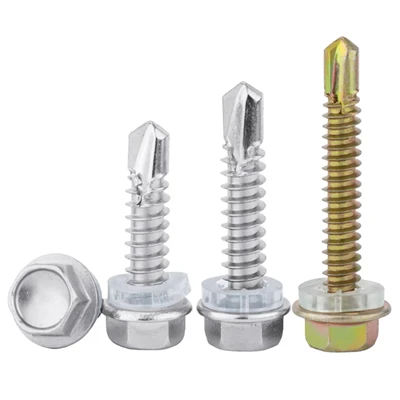
First, let’s clarify why specialty bolt cleaning isn’t the same as cleaning standard hardware. Standard bolts might tolerate a quick scrub with a wire brush or dish soap and water, but specialty bolts often have fine threads, precision machining marks, or delicate coatings that can be damaged by harsh abrasives, wrong chemicals, or too much heat. For example, titanium bolts (common in aerospace and racing) can develop hydrogen embrittlement if exposed to certain acidic cleaners, a flaw that makes them prone to cracking under load. 316 stainless steel bolts, while corrosion-resistant, can attract chloride-based contaminants from tap water if not rinsed and dried immediately, leading to pitting over time. And coated specialty bolts—like zinc-nickel or Xylan-coated fasteners used in marine applications—will blister or peel if scrubbed with a stiff brush or soaked in strong alkaline solutions. That’s why any cleaning process for specialty bolts has to start with a pre-cleaning assessment: know exactly what alloy your bolts are made of, what kind of contaminants are on them, and what specs the manufacturer requires (for instance, aerospace bolts often need to meet AS7003 cleaning standards, while medical-grade bolts require biocompatible residue-free surfaces).
The first step in any specialty bolt cleaning routine is sorting and pre-treating to avoid cross-contamination. I can’t tell you how many times a customer has sent a mix of titanium and steel bolts for cleaning, only to end up with steel particles embedded in the titanium’s surface, leading to galvanic corrosion later. So before you even think about applying cleaners, separate your bolts by material, size, and coating. For small or delicate specialty bolts—like those used in surgical instruments or miniature robotics—I recommend pre-rinsing them with room-temperature distilled water to loosen loose debris, dust, or light oil. For bolts with heavy contaminants: thick grease, machining coolant residue, or hardened adhesive from manufacturing, a pre-soak in a mild, biodegradable degreaser is key. But here’s a rule I’ve lived by: never use chlorinated degreasers on stainless steel or titanium bolts. Chlorides are the enemy of corrosion-resistant alloys, and even trace amounts left on a bolt surface can cause premature failure. Instead, opt for non-chlorinated, pH-neutral degreasers designed for metal parts—look for ones labeled safe for 316 stainless or titanium, as those have been tested to not damage precision threads.
Once pre-treated, it’s time to move to the core cleaning process, and here’s where method matters most, depending on the bolt type. For high-volume batches of standard specialty bolts (like 316 stainless steel hex bolts for industrial equipment), ultrasonic cleaning is the gold standard. Ultrasonic cleaning works by sending high-frequency sound waves through a cleaning solution, creating tiny bubbles that implode gently to dislodge contaminants from even the deepest threads and crevices—no scrubbing, no abrasives, and no risk of damaging precision surfaces. That said, you have to adjust the solution and cycle length for the alloy: titanium bolts need a 10-15 minute cycle with a mild, non-acidic solution, while Inconel bolts (used in high-temperature applications) can handle a slightly stronger degreaser and a 20 minute cycle. I always tell customers to test a small, scrap bolt first: run it through the ultrasonic cycle, then inspect the threads with a magnifying glass to make sure no residue is left. If you don’t have an ultrasonic cleaner, a gentle alternative for smaller batches is a submersion bath with hand agitation. Use a soft nylon bristle brush (never metal, which will scratch threads) to gently brush any remaining debris, but only in the direction of the threads—brushing against the grain can force contaminants deeper, which is the last thing you want.
For specialty bolts with delicate coatings—like Xylan or PTFE coatings used in food processing or aerospace applications—ultrasonic or scrubbing is a no-go. Those coatings are thin, and the high-frequency sound or even a nylon brush can wear them away. For coated specialty bolts, I recommend a “vapor degreasing” process, which is a dry cleaning method that uses solvent vapor to lift contaminants without touching the bolt surface. Vapor degreasing is especially good for parts that can’t get wet, or that are sensitive to water-based solutions. That said, it’s important to use a food-grade or aerospace-grade solvent for this process—avoid generic solvents that might leave their own residue, which can interfere with the bolt’s coating or future assembly. I’ve seen customers use the wrong solvent and end up with coated bolts that failed coating adhesion tests right out of the package, so always confirm the solvent is compatible with your specific coating.
After cleaning, rinsing and drying are the most overlooked (but most critical) steps in specialty bolt cleaning. Even the best degreaser won’t do its job if leftover chemicals or water spots are left behind, especially on corrosion-resistant alloys. For bolts that have been cleaned with water-based solutions, always rinse them with distilled or deionized water—tap water has minerals and chlorides that will leave deposits or cause pitting. For a final rinse, many of our aerospace customers use isopropyl alcohol (91% or higher) because it evaporates instantly, leaving no water spots and no residue. That’s a trick I started using years ago, and it’s saved so many batches of bolts from the damage that comes from slow-drying tap water. Drying is just as important: never air-dry bolts in a humid environment, and never leave them wet in a closed container, which can trap moisture and lead to flash corrosion. For fast drying, use a low-heat oven (max 120°F, or 49°C) or a compressed air line with filtered, dry air to blow threads completely dry. If you’re working with titanium or other alloys prone to hydrogen embrittlement, skip the oven—high heat can cause hydrogen to become trapped in the metal, leading to cracks. Stick to filtered compressed air or air drying in a low-humidity space instead.
Once your specialty bolts are clean, the final step is inspection to make sure the process worked. I always tell customers to inspect a representative sample of each batch, not just one or two bolts. Check threads for smoothness, no leftover residue, and no signs of scratching or coating damage. For corrosion-resistant alloys like 316 stainless, do a quick chloride test: use a simple test swab designed to detect chloride on metal surfaces. If the swab comes up positive, you missed a step in rinsing, and those bolts will need to be re-cleaned—no exceptions. For bolts meant for medical or aerospace use, this inspection isn’t optional; it’s required to meet industry standards, and skipping it can lead to parts being rejected by end users, which is a waste of both time and money.
Now, let’s talk about mistakes I see customers make over and over again, because knowing what to avoid is just as important as knowing what to do. First, never use abrasives like steel wool, wire brushes, or sandpaper on specialty bolts—even a tiny scratch on a 316 stainless bolt can be a starting point for corrosion, and a scratch on a coated bolt can cause the coating to fail. Second, never mix alloys during cleaning, even if you think you can tell them apart. Steel particles on a titanium bolt will cause galvanic corrosion in the field, and that’s a failure that’s almost impossible to fix. Third, never rush the drying step. I once had a customer who skipped drying their bolts and stored them in a plastic bin, and within a week, half the batch had red rust spots—iron contamination from the bin reacting with leftover moisture. That cost them thousands in parts and delayed their project for three weeks. And finally, don’t use generic cleaning products. The $5 degreaser from the hardware store might work for standard bolts, but it will damage specialty fasteners. Invest in cleaners designed for metal alloys and specialty coatings, and it will save you from costly mistakes.
At the end of the day, cleaning specialty bolts isn’t just about getting them looking new—it’s about preserving their function. These parts are engineered to hold together critical components, whether that’s a jet engine, a race car, or a surgical robot. A dirty or improperly cleaned bolt might look fine, but the hidden residue, embedded particles, or even a hairline crack from bad cleaning can lead to catastrophic failure down the line. That’s why, as a specialty bolts supplier, I don’t just sell you fasteners—I offer guidance on how to care for them, including the right cleaning processes tailored to your specific bolt type. If you’re working with a batch of specialty bolts and aren’t sure about the best way to clean them, or if you’ve had issues with cleaning leading to damaged parts, reach out to our team to discuss your project. We can help you assess your bolts, recommend the right cleaning method, and answer any questions you have about preserving the integrity of your fasteners. Don’t let improper cleaning turn high-quality specialty bolts into wasted parts—let’s work together to get it right.
Washers References
- Aerospace and Defense Contractors Association. AS7003: Cleaning Processes for Aerospace Fasteners and Hardware. 2021.
- ASTM International. Standard Practice for Cleaning Metal Parts Prior to Coating or Assembly (B260-19). 2019.
- Davis, J.R. Corrosion: Understanding the Basics. ASM International, 2000.
- Titanium Industries. Care and Maintenance of Titanium Fasteners. 2022.
- Food and Drug Administration. Cleaning Methods for Medical Device Components. 2020.
Handan Dongchao Hardware Products Co., Ltd.
As one of the most professional specialty bolts manufacturers and suppliers in China, we have world-leading production equipment and strong manufacturing capabilities. Please feel free to wholesale bulk high quality specialty bolts in stock here and get pricelist from our factory. Customized orders are welcome.
Address: West of Xiaobeizhuang Village, South of Beizhangzhuang Village, Hanshan District, Handan City
E-mail: david@dcscrews.com
WebSite: https://www.dc-screws.com/
