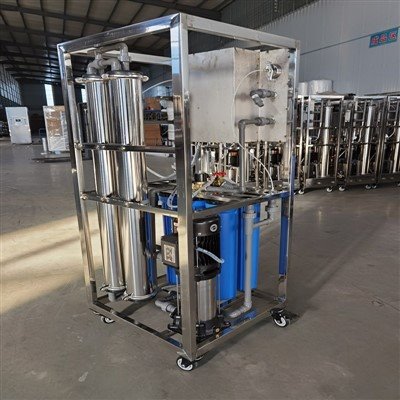
As a seasoned supplier of Seawater Desalination Reverse Osmosis (RO) Systems, I’ve witnessed firsthand the challenges and intricacies that come with these remarkable pieces of technology. Seawater desalination RO systems are at the forefront of providing fresh, clean water in regions where freshwater resources are scarce. However, like any complex machinery, they are prone to certain parts failing over time. Understanding which components are most likely to fail is crucial for ensuring the long – term efficiency and reliability of the system. Seawater Desalination RO System
1. RO Membranes
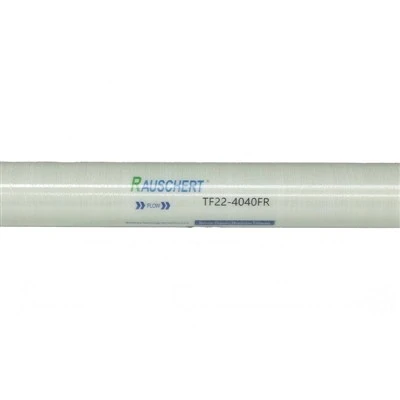
The RO membranes are the heart of any seawater desalination RO system. These semi – permeable membranes are responsible for separating salt and other impurities from seawater to produce freshwater. Due to their critical function, they are also one of the most vulnerable parts of the system.
Fouling
One of the primary causes of membrane failure is fouling. This occurs when particles, such as suspended solids, colloids, bacteria, and organic matter, accumulate on the surface of the membrane. Over time, this build – up restricts the flow of water through the membrane, reducing the system’s productivity. In seawater, the presence of high levels of algae, silt, and dissolved organic matter can accelerate the fouling process. Additionally, the high salt concentration in seawater can lead to scaling, where minerals like calcium carbonate and calcium sulfate precipitate on the membrane surface. Scaling not only reduces water flow but can also damage the membrane structure if left unattended.
Physical Damage
Physical damage to the RO membranes can occur during installation, operation, or maintenance. For instance, rough handling during installation can cause scratches or tears in the membrane sheets. During normal operation, high – pressure fluctuations can lead to membrane delamination, where the thin film composite layers of the membrane separate. Furthermore, chemical cleaning, which is necessary to remove fouling and scaling, can be a double – edged sword. If the cleaning chemicals are not used correctly, they can damage the membrane material, reducing its salt rejection rate and overall performance.
2. High – Pressure Pumps
High – pressure pumps are essential for forcing seawater through the RO membranes at the required pressure (usually around 50 to 80 bar for seawater desalination). These pumps operate under extremely demanding conditions and are thus prone to failure.
Wear and Tear
The continuous operation of high – pressure pumps subjects their internal components, such as impellers, bearings, and seals, to significant wear and tear. The impellers, which are responsible for increasing the water pressure, can experience erosion due to the abrasive nature of seawater. Over time, this erosion can lead to reduced pump efficiency and increased energy consumption. Bearings, on the other hand, can fail due to excessive heat, lack of lubrication, or misalignment. A failed bearing can cause the pump to vibrate excessively, leading to further damage to other components and potentially causing the pump to seize.
Cavitation
Cavitation is another major issue that can affect high – pressure pumps. Cavitation occurs when the pressure of the liquid drops below its vapor pressure, causing the formation of vapor bubbles. These bubbles collapse when they enter a region of higher pressure, creating shockwaves that can damage the pump components. In seawater desalination systems, cavitation can be caused by factors such as insufficient inlet pressure, blockages in the suction line, or high – speed operation at low flow rates.
3. Pressure Vessels
Pressure vessels house the RO membranes and are designed to withstand the high pressures generated by the system. However, they are not immune to failure.
Corrosion
Seawater is a highly corrosive medium, and pressure vessels are constantly exposed to it. Over time, corrosion can weaken the structural integrity of the pressure vessels, leading to leaks or even catastrophic failures. The type of material used for the pressure vessels plays a crucial role in their resistance to corrosion. While some vessels are made of stainless steel, others use fiberglass – reinforced plastic (FRP). Stainless steel vessels can still corrode if the protective oxide layer is damaged, while FRP vessels can be affected by environmental factors such as UV radiation and chemical exposure.
Fatigue
The repeated cycling of pressure in the pressure vessels can cause fatigue failure. Every time the system starts up and shuts down, or when there are pressure fluctuations during operation, the pressure vessels are subjected to stress. Over a long period, this cyclic stress can lead to the development of cracks in the vessel walls. Insufficient support or improper installation of the pressure vessels can also exacerbate fatigue issues.
4. Pretreatment Equipment
Pretreatment equipment is used to remove large particles, suspended solids, and other impurities from seawater before it enters the RO membranes. Failure of the pretreatment equipment can have a cascading effect on the entire RO system.
Media Filters
Media filters, such as sand filters and activated carbon filters, are commonly used in pretreatment. These filters can become clogged with debris over time, reducing their filtration efficiency. If the filters are not properly maintained, they can allow larger particles to pass through and reach the RO membranes, causing fouling and damage. Additionally, the media in the filters may degrade over time and need to be replaced. For example, activated carbon can lose its adsorption capacity, and sand can become compacted, reducing the flow rate.
Chemical Dosing Systems
Chemical dosing systems are used to add chemicals such as coagulants, flocculants, and biocides to the seawater during pretreatment. Malfunctions in these systems can lead to inconsistent chemical dosing. Insufficient dosing may result in poor pretreatment, allowing impurities to reach the RO membranes. On the other hand, over – dosing can cause scaling, corrosion, or other chemical – related issues in the system.
5. Control and Monitoring Systems
Control and monitoring systems are used to regulate the operation of the seawater desalination RO system and ensure its safe and efficient performance. However, these systems can also experience failures.
Sensor Faults
Sensors are used to measure various parameters such as pressure, flow rate, temperature, and conductivity. Faulty sensors can provide inaccurate readings, leading to improper control of the system. For example, a malfunctioning pressure sensor may cause the high – pressure pump to operate at an incorrect pressure, which can damage the RO membranes or the pump itself. Additionally, sensor failures can make it difficult to detect problems in the system early, allowing small issues to escalate into major failures.
Software and Electrical Problems
The control systems of modern seawater desalination RO systems rely heavily on software and electrical components. Software glitches can cause the system to act erratically or fail to operate altogether. Electrical problems, such as short circuits or power surges, can damage the control panels, motors, and other electrical components, disrupting the normal operation of the system.
In conclusion, understanding the parts of a seawater desalination RO system that are most likely to fail is essential for maintaining the system’s reliability and efficiency. As a supplier, we offer comprehensive support to our customers, including regular maintenance services, component replacement, and technical advice. By proactively addressing potential failure points, we can help our customers minimize downtime and ensure a continuous supply of high – quality freshwater.
If you are in the market for a seawater desalination RO system or are looking to improve the performance of your existing system, we invite you to engage with us. Our team of experts is ready to discuss your specific needs and provide tailored solutions. Contact us to start a fruitful conversation about your desalination requirements.
Ultrafiltration Membrane References
- Wilf, M. (2011). The Guide to Membrane Desalination: Principles, Design, and Operation. Elsevier.
- McGhee, T. J. (2011). Water Supply and Sewerage. McGraw – Hill Education.
- Lawler, D. F. (2007). Water Treatment Unit Processes: Physical and Chemical. Wiley – Interscience.
Fujian Huamo Technology Co., Ltd.
Fujian Huamo Technology Co., Ltd. is one of the most professional seawater desalination ro system manufacturers and suppliers in China, featured by quality products and good service. Please rest assured to wholesale the best seawater desalination ro system made in China here and get price list from our factory. Contact us for custom service and OEM service.
Address: No.6 Hengtong Rd, Shanmei Village, Xiamei Town, Nanan City, Fujian Province, China
E-mail: info@huaromembrane.com
WebSite: https://www.hmromembrane.com/
