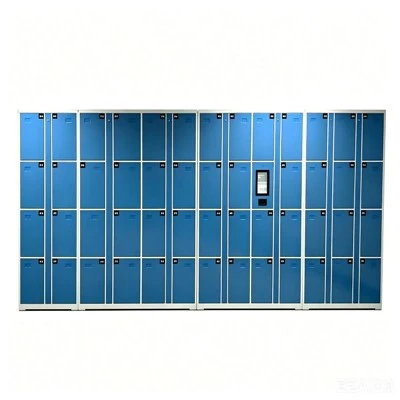
When it comes to smart lockers, one of the most frequently asked questions from potential customers, facility managers, and end – users alike is about the maximum weight capacity of a smart locker compartment. As a seasoned smart locker supplier, I understand the significance of this question in real – world applications. In this blog, I will delve into all aspects related to the weight capacity of smart locker compartments, including how it’s determined, typical values, influencing factors, and why it matters. Smart Locker
Understanding How Weight Capacity is Determined
The maximum weight capacity of a smart locker compartment is not arbitrarily set. It is the result of a comprehensive engineering process that takes into account multiple factors. First and foremost is the structural integrity of the locker itself. The materials used in constructing the locker play a crucial role. For instance, lockers made from high – grade steel or reinforced plastic are generally capable of bearing more weight compared to those made from thinner or less durable materials.
Engineers conduct a series of stress tests on the locker compartments. They gradually add weight to the compartments in a controlled environment, monitoring how the structure responds. The weight at which the locker starts to show signs of deformation, such as bending of the shelves or warping of the walls, is noted. The maximum weight capacity is then set at a level well below this point to ensure a safety margin.
Another important consideration is the locking mechanism. A locker with a high – quality, robust locking system can better withstand the forces exerted by heavy items. If the lock fails under the weight of the contents, it not only compromises the security of the items but also poses a risk to the overall functionality of the locker.
Typical Weight Capacities in the Market
In the smart locker industry, the weight capacity of compartments can vary widely depending on the design and intended use. For small, personal – item lockers commonly found in offices or gyms, the weight capacity might range from 10 to 20 kilograms. These lockers are designed to store lightweight items such as laptops, gym clothes, and small bags.
Medium – sized lockers, which are often used in schools or corporate settings for storing textbooks, work equipment, and larger personal belongings, typically have a weight capacity of 20 to 50 kilograms. These lockers are built with stronger shelves and more durable frames to support the additional weight.
Large – scale smart lockers used in industrial or logistics settings, where they may be storing tools, heavy packages, or machinery parts, can have a weight capacity of 50 kilograms or more. Some high – end industrial lockers can even withstand weights of up to 100 kilograms or beyond.
Factors Influencing Weight Capacity
Several factors can influence the maximum weight capacity of a smart locker compartment. One of the most obvious is the size of the compartment. A larger compartment generally has a higher weight capacity because it has more surface area to distribute the weight. However, this is not always a linear relationship. Even a large compartment made from weak materials may not be able to hold as much weight as a smaller, well – constructed one.
The way the weight is distributed within the compartment also matters. If the weight is concentrated in one small area, it can put excessive stress on that part of the locker, potentially leading to damage. For example, placing a heavy, small – sized object on one corner of a shelf is more likely to cause problems than evenly distributing the same weight across the entire shelf.
Environmental factors can also have an impact. In a humid environment, the materials of the locker may deteriorate over time, reducing their strength and, consequently, the weight capacity. Similarly, extreme temperatures can cause the materials to expand or contract, which may affect the structural integrity of the locker.
Why Weight Capacity Matters
The weight capacity of a smart locker compartment is of utmost importance for several reasons. From a customer’s perspective, it determines what they can actually store in the locker. If a customer needs to store heavy items but chooses a locker with a low weight capacity, it can lead to disappointment and potential damage to the locker.
For facility managers, understanding the weight capacity is crucial for proper planning and utilization of the locker system. They need to ensure that the lockers are not overloaded, as this can lead to safety hazards and increased maintenance costs. Overloaded lockers may put more strain on the locking mechanisms, leading to more frequent breakdowns.
In the context of security, a locker that is overloaded is more likely to be compromised. If a locker is struggling to hold the weight of its contents, it may be easier for unauthorized individuals to force open the lock, putting the stored items at risk.
Meeting Diverse Customer Needs
As a smart locker supplier, we are committed to meeting the diverse needs of our customers. We offer a wide range of smart lockers with different weight capacities. For customers who need to store lightweight items, we have compact, cost – effective lockers with a lower weight capacity. These lockers are ideal for businesses and institutions with limited space and relatively light storage requirements.
On the other hand, we also provide heavy – duty lockers for industrial and commercial customers who need to store large, heavy items. These lockers are built with high – strength materials and advanced engineering to ensure maximum durability and safety.
We also understand that some customers may have unique requirements. For example, a research facility may need lockers to store delicate scientific equipment that is both heavy and sensitive. In such cases, we work closely with the customer to customize the lockers, taking into account factors such as weight distribution, shock absorption, and environmental control.
Making the Right Choice
When choosing a smart locker, it is essential to consider the weight capacity carefully. Customers should first assess what they need to store in the lockers. If they are unsure, they can consult with our sales team, who have extensive knowledge and experience in the field.
It is also important to note that the weight capacity is not the only factor to consider. Other aspects such as locker size, security features, ease of use, and durability also play a significant role in the decision – making process.
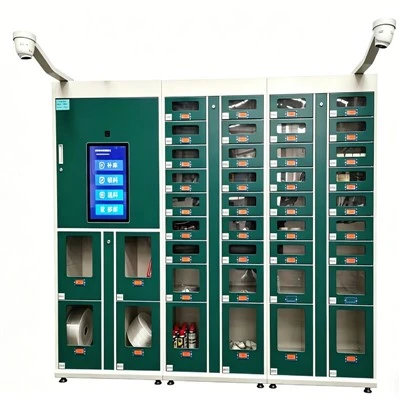
In conclusion, the maximum weight capacity of a smart locker compartment is a critical factor that affects the functionality, safety, and security of the lockers. As a reliable smart locker supplier, we are dedicated to providing high – quality lockers with appropriate weight capacities to meet the needs of different customers.
Smart Locker If you are interested in our smart locker solutions and want to discuss your specific requirements in detail, including the ideal weight capacity for your application, we encourage you to reach out to us. Our team of experts is ready to assist you in making the right choice and ensuring that you get the most out of your smart locker investment.
References
- Engineering Principles for Smart Locker Design, Industry Research Journal, 2022
- Standards for Smart Locker Weight Capacity, National Locker Association Report, 2023
- Best Practices in Smart Locker Utilization and Weight Management, Facility Management Magazine, 2024
Hangzhou Dongjie Intelligent Technology Co., Ltd.
Hangzhou Dongjie Intelligent Technology Co., Ltd. is one of the most experienced smart locker manufacturers and suppliers in China, also supports customized service. Please feel free to wholesale durable smart locker made in China here from our factory. For quotation, contact us now.
Address: 1st Floor, Building 2, No. 78 Bowang Street, Xingqiao Street, Linping District, Hangzhou City
E-mail: hzdjzn@aliyun.com
WebSite: https://www.cndongjiesmart.com/
