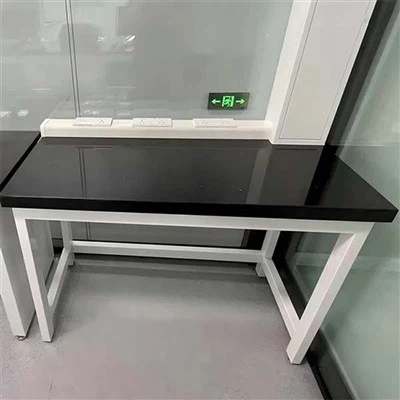
Hey there! I’m a supplier of lab benches, and today I wanna chat about one of the most crucial aspects of a lab bench setup: ventilation requirements. Ventilation in a lab isn’t just a nice – to – have; it’s a must for the safety and efficiency of your lab operations. Lab Bench
Why Ventilation Is a Big Deal
Let’s start with the fundamentals. Labs are places where all sorts of chemicals and substances are used. Some of them can be pretty dangerous, giving off fumes, vapors, or even dust that can be harmful if inhaled. Good ventilation helps to remove these pollutants from the air, keeping the lab environment safe for everyone working there.
Take, for example, a chemistry lab. When you’re mixing chemicals for an experiment, there could be toxic gases like sulfur dioxide or ammonia released. Without proper ventilation, these gases can build up to dangerous levels, causing health problems ranging from mild irritation to serious respiratory issues. And it’s not just about the health of the lab staff; it’s also about protecting the integrity of the experiments. Some sensitive experiments can be affected by the presence of contaminants in the air.
Types of Ventilation Systems
There are a few different types of ventilation systems that you can consider when setting up your lab bench.
General Ventilation
General ventilation is the most basic type. It involves having a system that exchanges the air in the entire lab space. This can be as simple as having fans or air ducts that bring in fresh outdoor air and expel the stale indoor air. But here’s the thing: general ventilation alone might not be enough for a lab bench. After all, when you’re doing an experiment right at the bench, the fumes are generated locally, and a general system might not be able to capture them fast enough.
Local Exhaust Ventilation (LEV)
This is where local exhaust ventilation comes in. LEV systems are designed to capture and remove contaminants right at the source. For a lab bench, this usually means having a fume hood or a ventilation canopy directly above the bench. When you turn on the LEV, it creates a suction that pulls the fumes and vapors away from the work area and into an exhaust system, which then expels them outside the building.
Fume hoods are super popular in labs. They’re like little chambers where you can conduct your experiments. They come in different shapes and sizes, and some even have adjustable sashes (the front opening) so you can control the airflow. The key is to make sure that the fume hood is working properly and that the airflow is sufficient to capture all the pollutants.
Ventilation Requirements for Different Lab Activities
The ventilation requirements for a lab bench can vary depending on what kind of activities you’re doing.
Chemical Handling
If you’re handling chemicals, especially volatile or toxic ones, you need a high – performance ventilation system. The American Conference of Governmental Industrial Hygienists (ACGIH) recommends a face velocity of at least 100 feet per minute (fpm) for fume hoods when handling chemicals. This means that the air should be moving at a speed of 100 feet per minute at the opening of the fume hood to effectively capture the fumes.
You also need to consider the type of chemicals you’re using. Some chemicals are more hazardous than others, and they might require a higher face velocity or a more specialized ventilation system. For example, if you’re working with radioactive materials, you’ll need a ventilation system that can handle the unique challenges associated with radiation.
Biological Work
In a biological lab, you’re dealing with things like bacteria, viruses, and other microorganisms. While the risks are different from chemical handling, ventilation is still crucial. You need to prevent the spread of aerosols (tiny droplets or particles) that might contain these microorganisms.
A biosafety cabinet is a common ventilation device used in biological labs. It provides a controlled environment where you can work with biological materials safely. There are different classes of biosafety cabinets, each with its own ventilation requirements. For example, a Class II biosafety cabinet has a laminar airflow system that provides both personnel and product protection.
Physical Experiments
Even in a lab where you’re doing more physical experiments, like mechanical testing or electronics work, ventilation is still important. There could be dust, heat, or small amounts of fumes generated during the process. A simple ventilation canopy or a bench – top exhaust fan might be sufficient to remove these contaminants.
Factors Affecting Ventilation
There are several factors that can affect the effectiveness of your lab bench ventilation system.
Airflow Rate
As I mentioned earlier, the airflow rate is crucial. You need to make sure that the ventilation system can move enough air to remove the pollutants. This depends on the size of the lab bench, the type of activities being done, and the volume of the lab space. If the airflow rate is too low, the pollutants won’t be removed quickly enough, and if it’s too high, it can cause turbulence and disrupt your experiments.
Ductwork
The ductwork in your ventilation system also plays a big role. The ducts need to be properly sized and installed to ensure smooth airflow. If the ducts are too narrow or have sharp bends, it can create resistance and reduce the efficiency of the ventilation system. You also need to make sure that the ducts are clean and free of blockages.
Room Layout
The layout of the lab room can affect ventilation. If the lab bench is placed too close to a wall or other obstacles, it can disrupt the airflow. You should leave enough space around the bench for air to circulate freely. Also, the placement of doors and windows can impact the ventilation. For example, if a window is opened near the lab bench, it can create cross – drafts that interfere with the operation of the ventilation system.
Maintaining Your Ventilation System
A ventilation system is only as good as its maintenance. Regular maintenance is essential to ensure that your lab bench ventilation system is working properly.
Inspections
You should conduct regular inspections of your ventilation system, at least once a year. During these inspections, you can check for things like leaks in the ductwork, motor failures in the fans, and proper airflow. You can hire a professional to do these inspections, or if you have the expertise, you can do them in – house.
Filter Changes
If your ventilation system has filters, you need to change them regularly. Filters are designed to trap pollutants, but over time, they can get clogged, which reduces the efficiency of the system. The frequency of filter changes depends on the type of filter and the level of contaminants in the lab.
Calibration
It’s also important to calibrate your ventilation system regularly. This ensures that the airflow rate and other parameters are within the recommended limits. Calibration can be done using specialized equipment, and it’s usually best to have it done by a professional.
Conclusion
So, there you have it! Understanding the ventilation requirements for a lab bench is crucial for the safety and success of your lab operations. Whether you’re dealing with chemicals, biological materials, or doing physical experiments, the right ventilation system can make a big difference.

As a lab bench supplier, I’m here to help you find the perfect ventilation solution for your lab. I’ve got a wide range of lab benches with different ventilation options, from basic general ventilation setups to high – end fume hoods and biosafety cabinets. If you’re in the market for a new lab bench or need to upgrade your existing ventilation system, don’t hesitate to reach out. We can have a chat about your specific needs and come up with a customized solution that works for you.
Lab Table Top Let’s make your lab a safe and efficient place to work!
References
- American Conference of Governmental Industrial Hygienists (ACGIH). Threshold Limit Values (TLVs) for Chemical Substances and Physical Agents and Biological Exposure Indices (BEIs).
- Occupational Safety and Health Administration (OSHA). Laboratory Safety Standards.
- National Fire Protection Association (NFPA). NFPA 45: Standard on Fire Protection for Laboratories Using Chemicals.
HAMECC(Shanghai) Lab Solutions Co., Ltd.
We’re well-known as one of the leading lab bench manufacturers and suppliers in China, featured by quality products and good price. Please rest assured to buy customized lab bench made in China here from our factory.
Address: Building 1, No. 2222, Huancheng Road, Jiading District, Shanghai
E-mail: info@hamecc.com
WebSite: https://www.hamecc.com/
