Can stand up pouches be used for dry goods? Stand Up Pouch
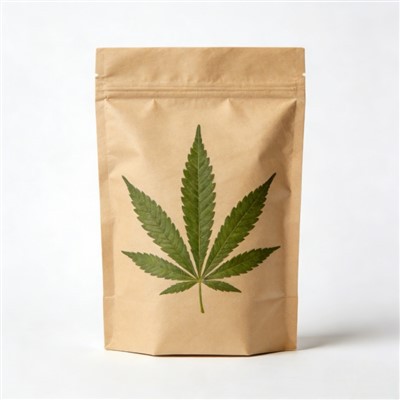
In the competitive landscape of packaging, stand up pouches have emerged as a popular choice for many businesses. As a stand up pouch supplier, I’ve witnessed firsthand the growing demand for these versatile packaging solutions, especially when it comes to dry goods. In this blog post, I’ll delve into the practicality of using stand up pouches for dry goods, exploring their benefits, considerations, and best practices.
Benefits of Using Stand Up Pouches for Dry Goods
-
Excellent Protection
One of the primary reasons stand up pouches are well – suited for dry goods is their ability to provide a high level of protection. They are typically made from multiple layers of materials, which can include polyethylene, aluminum foil, and polyester. The polyethylene layer offers a moisture – barrier, preventing the dry goods from absorbing humidity in the air and becoming soggy. The aluminum foil layer acts as a barrier against oxygen, light, and odor, ensuring the quality and freshness of the contents. For example, in the storage of coffee beans, the stand up pouch can keep the beans from going stale by blocking out oxygen, which is crucial as oxygen can cause the beans to lose their flavor and aroma over time. -
Versatility in Design
Stand up pouches are incredibly versatile in terms of design. They can be customized with different shapes, sizes, and printing options. This is beneficial for dry goods as it allows manufacturers to create a unique and eye – catching packaging that stands out on the shelves. For instance, a small artisanal granola brand can use a stand up pouch with custom – printed graphics that showcase the natural ingredients used in their product. The pouch can also be designed with a resealable zip – lock or a degassing valve, depending on the specific requirements of the dry goods. A coffee brand might choose a stand up pouch with a degassing valve to release the carbon dioxide produced by freshly roasted coffee without letting oxygen in. -
Convenience for Consumers
Consumers appreciate the convenience that stand up pouches offer. Their ability to stand upright on the shelves makes them easy to display and access. When it comes to dry goods like snacks or baking ingredients, the stand up design allows the product to be stored neatly in pantries or on countertops. The resealable feature also means that consumers can keep the dry goods fresh between uses, reducing waste. A consumer who buys a bag of trail mix in a stand up pouch can easily seal it after each use, maintaining the crunchiness of the nuts and the freshness of the dried fruits. -
Cost – Effectiveness
From a business perspective, stand up pouches can be a cost – effective packaging solution. They require less material compared to traditional rigid packaging, such as cans or boxes. This not only reduces the cost of raw materials but also lowers shipping costs due to their lighter weight. Additionally, the flexibility of stand up pouches allows for more efficient use of shelf space, which can result in savings in storage and retail display areas. A small – to – medium – sized food manufacturer can save on packaging and shipping expenses by switching to stand up pouches for their dry goods, which can then be passed on to the consumers in the form of more competitive prices.
Considerations When Using Stand Up Pouches for Dry Goods
-
Shelf Life Requirements
While stand up pouches offer good protection, different dry goods have different shelf – life requirements. For products with a long shelf life, such as long – grain rice, a basic stand up pouch with a good oxygen and moisture barrier may be sufficient. However, for products that are more sensitive to environmental factors, like powdered vitamins or instant soup mixes, a more advanced packaging with additional barriers may be needed. Some high – end stand up pouches can be designed with an extra layer of ethylene vinyl alcohol (EVOH), which provides an even better oxygen barrier, extending the shelf life of the dry goods. -
Product Density
The density of dry goods can also impact the choice of stand up pouches. Heavier dry goods, such as flour or sugar, may require a stronger and more durable pouch material. Pouches need to be able to withstand the weight of the contents without tearing or bursting during handling, storage, and transportation. For very dense dry goods, a thicker polyethylene layer or a reinforced pouch structure may be necessary. -
Regulatory Compliance
When using stand up pouches for dry goods, it’s essential to ensure compliance with relevant regulations. This includes food safety regulations, especially if the dry goods are edible. The materials used in the pouches must be approved for contact with food, and the packaging should be able to prevent contamination. Labels on the stand up pouches must also comply with labeling requirements, such as providing accurate ingredient lists, nutritional information, and allergen warnings.
Best Practices for Using Stand Up Pouches with Dry Goods
-
Proper Filling and Sealing
To maintain the quality of dry goods, proper filling and sealing of stand up pouches are crucial. The filling process should be done in a clean and controlled environment to prevent contamination. The sealing should be tight and uniform to ensure that the barriers of the pouch remain intact. Automated filling and sealing machines are often used in large – scale production to ensure consistency and accuracy. -
Storage Conditions
Even with the protection provided by stand up pouches, proper storage conditions are important. Dry goods should be stored in a cool, dry place away from direct sunlight. This helps to maintain the integrity of the packaging and the quality of the contents. For example, if a stand up pouch of dried herbs is stored in a hot and humid area, the pouch may be less effective at preventing moisture from reaching the herbs, leading to spoilage. -
Testing
Before full – scale production, it’s advisable to conduct various tests on the stand up pouches with the dry goods. These tests can include drop tests to check the durability of the pouch during transportation, oxygen transmission rate (OTR) tests to measure the effectiveness of the oxygen barrier, and moisture vapor transmission rate (MVTR) tests to evaluate the moisture – proofing ability of the pouch.
As a stand up pouch supplier, I understand the importance of providing high – quality packaging solutions for dry goods. Our team of experts can work with you to design and produce stand up pouches that meet your specific requirements, whether it’s for a small – batch artisanal product or a large – scale commercial item. We offer a wide range of materials, printing options, and features to ensure that your dry goods are well – protected and attractively presented.
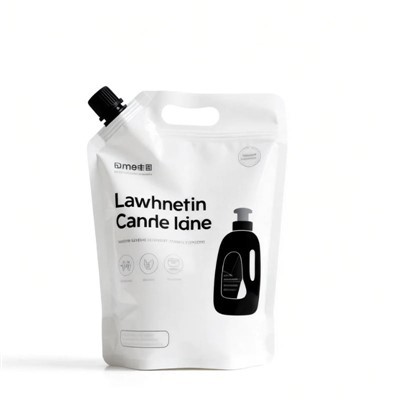
If you’re in the market for stand up pouches for your dry goods, I encourage you to reach out to us for a consultation. We can discuss your packaging needs in detail, provide samples, and offer competitive pricing. Let’s work together to create the perfect packaging solution for your dry goods.
Stand Up Pouch References
- Packaging Strategy and Innovation, 2nd Edition. Author: Dr. Anne Marie Mohan.
- Handbook of Food Packaging Technology. Editor: Yam, KL, and Lee, SY.
- Flexible Packaging: Technology and Innovation. Author: Dr. David Rooney.
Shenzhen Hongbang Packaging Production Co., Ltd.
We are one of the most experienced stand up pouch manufacturers and suppliers in China, specialized in providing high quality custom service. Please feel free to buy bulk stand up pouch made in China here from our factory. For quotation and free sample, contact us now.
Address: Room 601, BLDG D, Wisdom Centre, No. 58 Nanlian Road, Longgang, Shenzhen China 518116
E-mail: pm@hongbangpack.com
WebSite: https://www.hongbangpack.com/
