As a supplier of prepaid energy meters, I often encounter questions from potential customers about the legal requirements associated with using these devices. Prepaid energy meters have become increasingly popular in recent years, offering a convenient and efficient way for consumers to manage their energy usage and payments. However, like any other product or service, there are certain legal considerations that both suppliers and users need to be aware of. Prepaid Energy Meter

Regulatory Framework
The legal requirements for using prepaid energy meters vary from country to country and are often influenced by national and local regulations. In many regions, the use of prepaid energy meters is governed by energy regulatory authorities, which are responsible for ensuring that the meters comply with specific standards and regulations. These regulations typically cover aspects such as meter accuracy, safety, and consumer protection.
For example, in the European Union, the use of prepaid energy meters is regulated by the Energy Performance of Buildings Directive and the Directive on Electricity Market Design. These directives aim to promote energy efficiency, consumer protection, and the integration of renewable energy sources into the electricity grid. As a result, prepaid energy meters in the EU must meet strict technical and safety standards, and suppliers are required to provide clear information to consumers about the meter’s operation, tariffs, and payment options.
In the United States, the legal requirements for using prepaid energy meters are determined by state and federal regulations. The Federal Energy Regulatory Commission (FERC) regulates the interstate transmission of electricity, while state public utility commissions are responsible for regulating the retail sale of electricity within their respective states. Many states have specific regulations regarding the use of prepaid energy meters, including requirements for meter accuracy, consumer disclosure, and protection against disconnection.
Meter Accuracy and Calibration
One of the most important legal requirements for using prepaid energy meters is ensuring their accuracy. Prepaid energy meters must be calibrated regularly to ensure that they accurately measure the amount of energy consumed by the user. This is typically done by independent testing laboratories or calibration services, which are accredited by national or international standards organizations.
In addition to regular calibration, prepaid energy meters must also meet specific accuracy standards set by regulatory authorities. These standards typically specify the maximum allowable error in energy measurement, which is usually expressed as a percentage of the actual energy consumption. For example, in the EU, prepaid energy meters must have an accuracy of ±2% for active energy measurement.
As a supplier of prepaid energy meters, it is our responsibility to ensure that our meters meet these accuracy standards. We work closely with independent testing laboratories to conduct regular calibration and testing of our meters, and we provide our customers with detailed information about the meter’s accuracy and performance.
Consumer Protection
Another important legal requirement for using prepaid energy meters is consumer protection. Prepaid energy meters are designed to give consumers more control over their energy usage and payments, but they also pose certain risks, such as the potential for disconnection due to non-payment. To protect consumers from these risks, regulatory authorities have implemented a number of consumer protection measures.
One of the most common consumer protection measures is the requirement for suppliers to provide clear and transparent information to consumers about the meter’s operation, tariffs, and payment options. This information must be provided in a language that the consumer can understand, and it must include details about how the meter works, how to top up the meter, and what happens in the event of a disconnection.
In addition to providing clear information, suppliers are also required to offer consumers a range of payment options, including online, mobile, and in-person payment methods. This ensures that consumers have convenient and flexible ways to top up their meters and manage their energy payments.
Finally, regulatory authorities often require suppliers to implement a number of safeguards to protect consumers from disconnection. For example, suppliers may be required to provide consumers with a grace period before disconnecting their energy supply, or they may be required to offer consumers a payment plan to help them catch up on their arrears.
Data Protection and Privacy
In recent years, there has been increasing concern about the privacy and security of consumer data collected by prepaid energy meters. Prepaid energy meters typically collect a range of data about the consumer’s energy usage, including the amount of energy consumed, the time of day when the energy was consumed, and the location of the meter. This data can be used by suppliers to improve their services, but it also raises concerns about the privacy and security of the consumer’s personal information.
To address these concerns, regulatory authorities have implemented a number of data protection and privacy regulations. These regulations typically require suppliers to obtain the consumer’s consent before collecting and using their data, and they also require suppliers to take appropriate measures to protect the data from unauthorized access, use, and disclosure.
As a supplier of prepaid energy meters, we take data protection and privacy very seriously. We have implemented a number of measures to ensure that the data collected by our meters is protected, including encryption, access controls, and regular security audits. We also provide our customers with clear information about how their data is collected, used, and protected, and we obtain their consent before collecting and using their data.
Conclusion
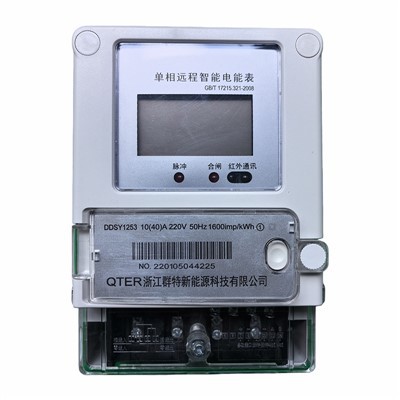
In conclusion, there are a number of legal requirements for using prepaid energy meters, including regulatory compliance, meter accuracy, consumer protection, and data privacy. As a supplier of prepaid energy meters, it is our responsibility to ensure that our meters meet these legal requirements and that we provide our customers with clear and transparent information about the meter’s operation, tariffs, and payment options.
DIN Rail Energy Meter If you are interested in purchasing prepaid energy meters for your home or business, we would be happy to discuss your options with you. Our team of experts can provide you with detailed information about our products and services, and we can help you choose the right prepaid energy meter for your needs. Please contact us to schedule a consultation or to request a quote.
References
- European Union, Energy Performance of Buildings Directive (2010/31/EU)
- European Union, Directive on Electricity Market Design (2019/944/EU)
- Federal Energy Regulatory Commission (FERC), United States
- State Public Utility Commissions, United States
Zhejiang Qunte New Energy Technology Co., Ltd.
As one of the most professional prepaid energy meter manufacturers in China, we’re featured by quality products and good price. Please rest assured to buy discount prepaid energy meter made in China here from our factory. We also accept customized orders.
Address: No. 56, Fengxi Road, Tang’ao Yu Village, Liushi Town, Yueqing City, Wenzhou City, Zhejiang Province
E-mail: 251951196@qq.com
WebSite: https://www.zjqtmeter.com/
