Microbiological contaminants in water pose significant risks to human health and various industrial processes. As a leading supplier of Purified Water Treatment Equipment, I’ve witnessed firsthand the crucial role our technology plays in safeguarding water quality. In this blog, I’ll delve into the microbiological contaminants removal capabilities of our Purified Water Treatment Equipment, exploring the science behind it, real – world applications, and the benefits it offers. Purified Water Treatment Equipment
Understanding Microbiological Contaminants in Water
Microbiological contaminants in water can include bacteria, viruses, fungi, and protozoa. These organisms can enter water sources through various means, such as sewage discharge, agricultural runoff, and natural environmental factors. For instance, fecal coliform bacteria are commonly found in water contaminated with human or animal waste. Viruses like norovirus and hepatitis A can also be present in water, causing severe gastrointestinal and liver diseases respectively.
The presence of these contaminants in water is a major concern in both domestic and industrial settings. In households, consuming water with high levels of microbiological contaminants can lead to water – borne diseases. In industries such as pharmaceuticals, food and beverage, and electronics manufacturing, even a small amount of microbial contamination can compromise product quality and safety.
How Our Purified Water Treatment Equipment Removes Microbiological Contaminants
Our Purified Water Treatment Equipment is designed with multiple stages to effectively remove microbiological contaminants. The first stage often involves physical filtration. This can include sediment filters that remove larger particles, such as sand and silt, which may also carry some microorganisms. By removing these larger particles, we reduce the overall microbial load in the water and prevent clogging of subsequent treatment components.
Next, we use activated carbon filters. Activated carbon has a large surface area with numerous pores, which can adsorb organic compounds and some microorganisms. It can trap bacteria and other contaminants by physical and chemical adsorption. For example, the carbon surface can attract and hold onto bacteria through van der Waals forces and electrostatic interactions.
One of the most critical steps in our treatment process is disinfection. We utilize ultraviolet (UV) light for disinfection. UV light has a germicidal effect on microorganisms. When microorganisms are exposed to UV light at a specific wavelength (usually around 254 nm), the UV radiation damages their DNA and RNA. This damage prevents the microorganisms from reproducing and ultimately leads to their death. Our UV disinfection systems are carefully calibrated to ensure that the water passing through receives an adequate dose of UV light to effectively inactivate a wide range of bacteria, viruses, and protozoa.
Another disinfection method we employ is ozonation. Ozone is a powerful oxidizing agent. It can react with the cell walls and membranes of microorganisms, causing them to rupture and die. Ozone can also break down organic matter in the water, which may serve as a food source for microorganisms. Our ozonation systems are designed to generate the right amount of ozone to achieve optimal disinfection without leaving harmful residues in the water.
In addition to these methods, we also use reverse osmosis (RO) membranes. RO membranes have very small pores that can physically block the passage of microorganisms. The high – pressure water is forced through the membrane, and only water molecules and some small dissolved substances can pass through, while bacteria, viruses, and other larger contaminants are retained on the membrane surface. This process provides an additional layer of protection against microbiological contamination.
Real – World Applications and Case Studies
In the pharmaceutical industry, our Purified Water Treatment Equipment has been widely used to produce high – quality water for drug manufacturing. For example, a large pharmaceutical company was facing issues with microbial contamination in their water supply, which was affecting the quality of their injectable drugs. After installing our treatment equipment, the microbial count in their water dropped significantly. The RO membranes effectively removed bacteria and viruses, while the UV disinfection and ozonation processes ensured that any remaining microorganisms were inactivated. As a result, the company was able to meet the strict quality standards for their pharmaceutical products.
In the food and beverage industry, our equipment is used to treat water for production processes. A well – known beverage company was concerned about the presence of mold and yeast in their water, which could cause spoilage of their products. Our treatment system, with its combination of filtration, disinfection, and RO processes, was able to remove these microbiological contaminants. The activated carbon filters removed organic compounds that could support the growth of mold and yeast, and the UV and ozone disinfection steps killed any remaining organisms. This led to an improvement in the shelf – life and quality of their beverages.
Benefits of Our Purified Water Treatment Equipment
One of the main benefits of our equipment is its high efficiency in removing microbiological contaminants. Our multi – stage treatment process ensures that water is thoroughly treated, reducing the risk of water – borne diseases and product contamination. This is crucial for industries where water quality is of utmost importance, such as healthcare and food production.
Our equipment is also highly reliable. We use high – quality components and advanced technology in our systems. The UV lamps, ozone generators, and RO membranes are designed to have a long service life and stable performance. This reduces the need for frequent maintenance and replacement, saving time and costs for our customers.
Another advantage is its environmental friendliness. Our treatment methods, such as UV disinfection and ozonation, do not introduce harmful chemicals into the water. This is in contrast to some traditional disinfection methods that use chlorine, which can form harmful by – products. Our equipment helps to protect the environment while providing clean and safe water.
Conclusion and Call to Action

In conclusion, our Purified Water Treatment Equipment has excellent capabilities in removing microbiological contaminants. Through a combination of physical filtration, disinfection, and membrane separation, we can effectively eliminate bacteria, viruses, fungi, and protozoa from water. This not only ensures the safety of drinking water but also meets the strict quality requirements of various industries.
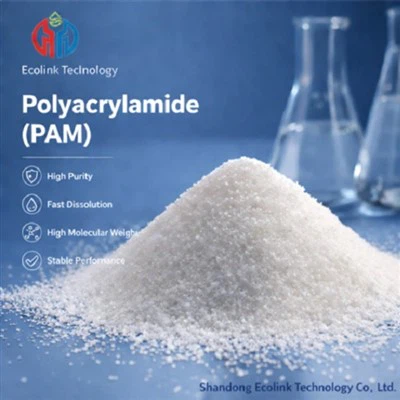
Polyacrylamide If you are in need of reliable Purified Water Treatment Equipment to address microbiological contamination issues in your water supply, I encourage you to reach out to us. We have a team of experts who can assess your specific needs and provide customized solutions. Whether you are a small business or a large industrial enterprise, we are committed to helping you achieve the highest water quality standards. Contact us today to start a discussion about your water treatment requirements.
References
- AWWA (American Water Works Association). "Water Quality and Treatment: A Handbook of Community Water Supplies." McGraw – Hill, 2017.
- Crittenden, John C., et al. "Water Treatment: Principles and Design." John Wiley & Sons, 2012.
- EPA (Environmental Protection Agency). "Drinking Water Contaminants and Their Health Effects." EPA, 2020.
Shandong Ecolink Technology Co., Ltd.
Shandong Ecolink Technology Co., Ltd. is one of the most reliable purified water treatment equipment manufacturers and suppliers in China. We warmly welcome you to wholesale bulk high quality purified water treatment equipment from our factory. If you have any enquiry about cooperation, please feel free to email us.
Address: No. 8, Xiaying Chemical Industry Park, Aobu Road, Xiaying Town, Changyi City, Weifang City, Shandong Province,China
E-mail: sale02@ecolink-environment.com
WebSite: https://www.ecolink-environment.com/
