In the ever – evolving landscape of medical electronics, the choice of materials plays a crucial role in ensuring the safety, reliability, and performance of medical devices. As a supplier of Copper Core Solder Balls, I often find myself in discussions about the suitability of these solder balls for use in medical electronics. In this blog post, I will delve into the technical aspects, advantages, and potential challenges of using copper core solder balls in medical electronics. Copper Core Solder Balls
Technical Aspects of Copper Core Solder Balls
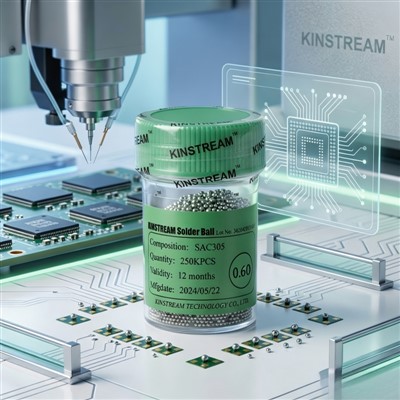
Copper core solder balls are a type of solder ball that consists of a copper core surrounded by a layer of solder alloy. The copper core provides several unique properties that make it an interesting option for various applications.
The copper core offers excellent electrical conductivity. Copper is well – known for its high electrical conductivity, which is second only to silver. In medical electronics, where signal transmission and electrical performance are of utmost importance, this high conductivity can help ensure accurate and efficient operation of medical devices. For example, in devices such as electrocardiogram (ECG) monitors or implantable cardiac pacemakers, where small electrical signals need to be accurately detected and transmitted, the high conductivity of copper core solder balls can contribute to better signal quality.
Another important property of copper is its mechanical strength. The copper core provides a solid foundation for the solder ball, making it more resistant to mechanical stress. In medical devices, which may be subject to vibrations, shocks, or physical handling during use, the mechanical strength of the solder joints is crucial. A stronger solder joint can reduce the risk of joint failure, which could lead to device malfunction or even pose a risk to patient safety.
Advantages of Using Copper Core Solder Balls in Medical Electronics
Cost – effectiveness
One of the significant advantages of copper core solder balls is their cost – effectiveness. Compared to some other materials used in solder balls, such as pure gold or silver – based alloys, copper is relatively inexpensive. This cost advantage can be particularly beneficial in the production of medical electronics, where cost control is an important factor, especially for high – volume production. By using copper core solder balls, manufacturers can reduce the overall production cost without sacrificing too much in terms of performance.
Compatibility with Existing Manufacturing Processes
Copper core solder balls are generally compatible with existing surface – mount technology (SMT) manufacturing processes. Most medical device manufacturers are already familiar with SMT processes, and the use of copper core solder balls does not require significant changes to these processes. This compatibility allows for a smooth transition and integration into the existing production lines, reducing the need for additional training and equipment investment.
Environmental Friendliness
Copper is an abundant and recyclable material. In today’s world, where environmental concerns are becoming increasingly important, the use of environmentally friendly materials is a positive aspect. By using copper core solder balls, medical device manufacturers can contribute to a more sustainable manufacturing process. Additionally, copper is less toxic compared to some other metals used in solder alloys, which can be an important consideration in medical applications where the safety of patients and the environment is a top priority.
Potential Challenges and Considerations
Oxidation
One of the main challenges associated with copper core solder balls is oxidation. Copper is prone to oxidation when exposed to air, especially at elevated temperatures. Oxidation can affect the solderability of the copper core and the quality of the solder joints. To address this issue, proper surface treatment and storage conditions are necessary. For example, the copper core can be coated with a thin layer of anti – oxidation material to prevent oxidation during storage and handling.
Compatibility with Medical – Grade Materials
Medical electronics often come into contact with various medical – grade materials, such as biocompatible polymers or metals. It is essential to ensure that the copper core solder balls are compatible with these materials. Incompatibility can lead to chemical reactions, corrosion, or other issues that may affect the performance and safety of the medical device. Therefore, thorough compatibility testing should be conducted before using copper core solder balls in medical electronics.
Regulatory Compliance
The medical electronics industry is highly regulated, and any new material used in medical devices must comply with relevant regulations. When considering the use of copper core solder balls, manufacturers need to ensure that they meet all the necessary regulatory requirements, such as those related to biocompatibility, electrical safety, and environmental protection. This may involve conducting extensive testing and obtaining the appropriate certifications.
Case Studies and Applications
There are already some successful applications of copper core solder balls in medical electronics. For example, in some portable medical diagnostic devices, copper core solder balls have been used to connect different components on the printed circuit board (PCB). The high electrical conductivity of the copper core has helped improve the signal transmission and overall performance of the device.
In addition, in some implantable medical devices, although the requirements are more stringent, copper core solder balls are being explored as a potential alternative to traditional solder materials. With proper surface treatment and compatibility testing, copper core solder balls may offer a cost – effective and reliable solution for these high – end medical applications.
Conclusion

In conclusion, copper core solder balls have the potential to be used in medical electronics. Their high electrical conductivity, mechanical strength, cost – effectiveness, and environmental friendliness make them an attractive option. However, challenges such as oxidation, compatibility with medical – grade materials, and regulatory compliance need to be carefully addressed.
CCGA Solder Column As a supplier of Copper Core Solder Balls, I am committed to providing high – quality products and technical support to medical device manufacturers. If you are interested in exploring the use of copper core solder balls in your medical electronics, I encourage you to contact me for further discussion. We can work together to evaluate the suitability of our products for your specific applications and ensure that all the necessary requirements are met.
References
- "Fundamentals of Solder Materials Science" by John W. Cahn and Robert W. Cahn.
- "Medical Device Design and Development" by John G. Webster.
- "Surface – Mount Technology: Principles and Practice" by Chris Humpston and David Hamilton.
Kinstream Technology Co., Ltd.
We’re well-known as one of the leading copper core solder balls manufacturers and suppliers in China. We warmly welcome you to wholesale bulk high quality copper core solder balls in stock here from our factory. If you have any enquiry about customized service, please feel free to email us.
Address: Room 311, Bldg., 7D, Hengda Shishang Huigu, Dalang Street, Longhua District, Shenzhen, China
E-mail: valuemaxau@163.com
WebSite: https://www.kinstreamspheres.com/
