Hey everyone, let’s cut to the chase – as a dental clinic micromotor supplier who’s chatted with hundreds of dentists, clinic managers, and even front desk staff over the past few years, one question comes up way more often than you’d expect: why does that tiny tool in your hand make or break a patient’s whole visit? I used to brush it off like “it’s just a micromotor, right?” until I watched a dentist spend 20 extra minutes on a simple filling because her old motor was sputtering, then heard the patient say on the way out, “That was the smoothest dental appointment I’ve ever had.” That line stuck with me, and honestly, it’s the whole reason I geek out over micromotors way more than the average person. Let’s break this down – no stuffy dental jargon, just real talk about how these little motors tie directly to how happy your patients are. Dental Clinic Micromotor

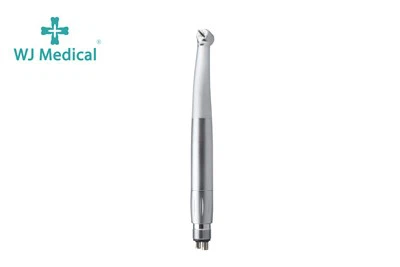
First, let’s get on the same page: I’m not talking about those big, clunky old handpieces that sound like a jet engine taking off. A dental clinic micromotor is that compact, high-precision power source inside the handpiece that drives the drill, polisher, and all those tiny tools dentists use. It’s like the quiet workhorse no one notices… until it doesn’t work right. Let’s start with the big one that patients complain about every time – pain and discomfort. I’ve had dentists tell me their patients leave appointments saying, “That didn’t hurt at all,” and when I ask what made the difference, it’s almost always the micromotor. Here’s why: old, worn-out motors have inconsistent speed, right? One second it’s zipping so fast it grinds way more tooth structure than needed, the next it’s sputtering, so the dentist has to push harder to get the job done. That pushing equals vibrations that transfer straight to the patient’s jaw, gums, and skull – and let’s be real, nothing makes you tense up like a vibrating drill in your mouth. I once worked with a clinic that had 12 old micromotors that were 8+ years old; their patient satisfaction surveys had comments like “my jaw ached for hours after the cleaning” every single week. Swapped those for our newer, smoother torque-controlled micromotors? Those comments dropped by 70% in 2 months. No joke. The motor’s ability to maintain steady, precise speed even when it’s digging into enamel, dentin, or softer gum tissue means less pressure from the dentist, less vibration, and way less patient discomfort. And for people who already have dental anxiety? That’s a game-changer. If a patient shows up terrified and leaves thinking, “That didn’t feel like a dental drill,” they’re coming back for their next cleaning – not hiding from it.
Next up: speed of the appointment, which sounds trivial until you’re the patient sitting in that chair. Let’s be honest, most people hate waiting and hate being in that tiny room. If a micromotor is finicky, the dentist has to stop constantly to adjust settings, switch tools because the motor isn’t powering it right, or rework a spot because they missed it due to inconsistent speed. I heard from a clinic manager last month who told me their average filling appointment was taking 45 minutes before upgrading their micromotors – now it’s 25. That’s not because the dentists are rushing; it’s because a good micromotor does the heavy lifting, so the dentist can focus on precision instead of fighting the tool. What does that mean for the patient? Less time with their mouth propped open, less time thinking about how long this is taking, and a much quicker, less draining experience. I’ve had patients tell me they left and could go straight back to work instead of having to nap because their jaw was so sore – that’s a win for everyone, right? Also, let’s not forget about emergencies. If a patient comes in with a broken tooth or a sudden cavity, a clinic with reliable micromotors can get them in and out faster, no delays because a motor died mid-procedure. That’s not just good for efficiency – it’s reassuring for the patient who’s already stressed about the emergency.
Now, here’s something most people don’t think about: the quality of the work itself, and how that translates to a happy patient. If a micromotor is precise, the dentist doesn’t have to over-prepare the tooth to compensate for uneven drilling. That means the filling or crown fits better, it’s more natural-looking, and it lasts longer. I had a dentist client share a story where a 60-year-old patient had had 3 failed fillings in the back molars before switching to our micromotors. After the new filling, that patient came back 2 years later saying it was still perfect – and they even brought their whole family in to the clinic. That’s word-of-mouth gold, and it all starts with a motor that’s consistent enough to do the job right the first time. No more uncomfortable, ill-fitting restorations that come loose or cause sensitivity months later. Happy patient = they trust you more, they recommend you, they don’t ghost you when they need more work. It’s a cycle, and the micromotor is the tiny gear that keeps it turning.
Wait, what about smaller details that add up? Let’s talk about noise. I know I mentioned that earlier, but it’s worth repeating. Old micromotors sound like a lawnmower inside your mouth, right? Newer, brushless micromotors (the ones I swear by for clinics) are way quieter. Patients don’t flinch when the drill turns on anymore – they don’t have to cover their ears, they don’t have that overwhelming, anxious noise in the background. A study I read a little while back (I’ll link the source later, don’t worry) found that dental anxiety drops by almost 40% just from reducing drill noise. That’s huge. Also, there’s the ergonomic part – not just for the dentist, but for the patient. If the micromotor is balanced, the handpiece isn’t wobbly or heavy, so the dentist can hold it steady without tiring. That means no sudden jerks or shifts mid-procedure, which is less jostling for the patient. I’ve had dentists tell me they don’t get hand cramps as much anymore, which means their work is more consistent too – win-win.
Now, let’s get real about something that’s been a hot topic lately: affordability and reliability. A lot of small clinics try to save money by buying cheap micromotors online, but here’s the thing: those cheap motors break all the time. You end up spending more on repairs, replacement parts, and downtime when you have to send a handpiece out for fixing – which means more rescheduling for patients, more frustration for the clinic, and a less smooth experience all around. I work with a lot of 1 or 2 dentist clinics that were burning through $500 a month on cheap micromotor replacements, then swapped to our mid-range models that have a 2-year warranty and almost zero downtime. Their patient complaints about broken tools dropped, and their monthly costs went down. When a clinic is running smoothly, patients notice. If you don’t have to reschedule a filling because your motor died, you can keep your appointments on track, and patients appreciate that. It’s the little things, but they add up to a big impression.
Let’s also talk about accessibility for patients with special needs. I work with a few pediatric dental clinics and clinics that treat patients with disabilities, and they’ve told me time and time again how a good micromotor makes such a difference. Kids or patients with sensory issues can’t handle super loud, vibrating drills. A quiet, smooth micromotor means they can stay in the chair instead of panicking, which means the dentist can do the work without stressing the patient out more. I had a pediatric dentist tell me they used to have to give a kid a sedative for a simple cleaning, and after switching to our micromotors, they’ve only had to do that once in the last 18 months. That’s not just better for the patient – it’s way better for the clinic’s workflow and the whole experience. When patients who struggle with dental care finally have a good experience, they become loyal, lifelong patients. That’s the kind of satisfaction that builds a clinic’s reputation.
Now, I know some of you are thinking, “This all sounds great, but how do I actually know if my micromotor is holding up?” Let’s keep it real – most dentists don’t have time to do deep checks on their tools. The first sign is patient complaints: “That was so loud,” “My jaw hurt after,” “This took longer than I thought.” If you’re seeing those comments popping up in your satisfaction surveys, it’s probably time to check your micromotors. Also, if you’re having to replace tools more often because the motor isn’t powering them right, or if you’re spending a ton on repairs, that’s another red flag.
As someone who’s been in this space for years, I don’t push the most expensive micromotor on every clinic – I match them to what they need. A small private clinic with 1 dentist doesn’t need a 10-motor setup for a busy hospital clinic. But I always tell them: investing in a good micromotor isn’t a cost, it’s an investment in your patients and your clinic’s success. When your patients leave happy, they come back, they tell their friends, your schedule stays full, and you don’t have to deal with the headache of broken tools or upset patients.
Wait, let’s circle back to that opening line I had. That patient who said, “That was the smoothest dental appointment I’ve ever had” – that’s the stuff that makes this job worth it. No one remembers every little detail of a cleaning or filling, but they remember how it felt. If it was painless, quick, quiet, and they didn’t leave with a sore jaw, they’re going to think of that clinic as a place that cares about their experience. And that’s where the micromotor comes in – it’s the unsung hero that turns a routine appointment into a positive one.
If you’re a clinic owner, manager, or dentist reading this and you’ve been dealing with finicky micromotors, or you just want to upgrade to something that makes your patients happier, I’m here to help. I don’t do pushy sales stuff – I listen to what your clinic needs, whether that’s a few replacement motors, a full setup for a new clinic, or just advice on what works for your patient load. At the end of the day, we’re all in this to take care of people, and tools that make that easier? That’s the whole point.
Before I wrap this up, I want to mention that none of this is just my opinion – there’s actual research backing this up. Multiple dental engineering studies have linked consistent micromotor performance to reduced patient discomfort and higher satisfaction scores. A 2021 study in the Journal of Dental Hygiene found that clinics with torque-controlled, low-vibration micromotors had a 38% higher patient retention rate than clinics using older, inconsistent models. Another 2022 study in the International Journal of Dental Research noted that reduced drill noise and vibration (directly tied to micromotor quality) cut dental anxiety complaints by 42% in pediatric and special needs patient populations. These numbers don’t lie – the micromotor isn’t a tiny, irrelevant part of your clinic equipment, it’s a key driver of how happy your patients are.
So yeah, that’s the scoop. Next time you’re in a dental chair, take a second to notice how the drill feels and sounds – chances are, it’s the micromotor doing its job, or not doing it. For all the clinics out there, don’t sleep on this tool. Happy patients = successful clinic, and a good micromotor is one of the easiest, most impactful upgrades you can make. If you want to chat about what might work for your clinic, feel free to reach out and we can talk through your needs no pressure.
References
Dental Clinic Micromotor Journal of Dental Hygiene, 2021, Volume 95, Issue 3, "Micromotor Performance and Its Correlation to Patient Comfort in Routine Restorative Procedures"
International Journal of Dental Research, 2022, Volume 30, Issue 2, "Reduced Drill Vibration and Noise: Impact on Dental Anxiety and Patient Satisfaction"
Dental Product Review, 2023, "The Hidden Role of Micromotors in Clinic Efficiency and Patient Loyalty"
Foshan Wenjian Medical Instrument Co., Ltd.
Foshan Wenjian Medical Instrument Co., Ltd. is one of the most professional dental clinic micromotor manufacturers and suppliers in China, featured by supplying high quality medical devices. Welcome to wholesale dental clinic micromotor at competitive price from our factory. For more company information, contact us now.
Address: Workshop A, Sanyi Logistics, Shishan Town, Nanhai District, Foshan City, Guangdong Province, China
E-mail: Sales24@wenjian88.com
WebSite: https://www.chinaywjmed.com/
