If you’ve ever worked in plumbing, construction, or industrial maintenance, you know how much a reliable pipe repair clamp can mean—one small clamp can stop a leak before it turns into a costly, messy disaster. As someone who’s spent 12 years in the pipe repair clamp manufacturing business, I’ve seen firsthand what happens when a clamp isn’t stored right: corrosion sets in, rubber gaskets crack, and what should be a quick fix turns into a trip to the parts store mid-job. Today, I’m breaking down exactly how to store pipe repair clamps when they’re not in use, with tips I’ve picked up from field technicians, warehouse teams, and years of refining our products to last longer between jobs. Pipe Repair Clamp
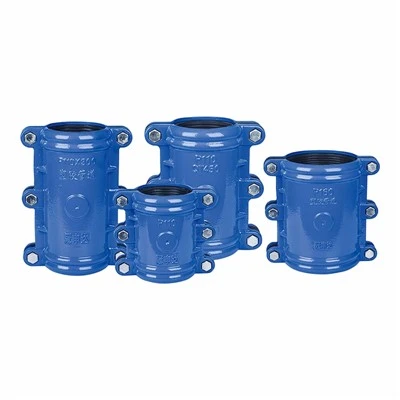
First, let’s start with why proper storage matters. A pipe repair clamp isn’t just a hunk of metal and rubber—it’s a precision component designed to create a tight, leak-proof seal around a damaged pipe. The metal housing needs to stay free of rust and dents, and the rubber gasket (that flexible inner part that presses against the pipe) needs to stay soft and pliable to do its job when you need it. I once had a regular customer, a lead plumber for a municipal water district, tell me he used to stack unprotected clamps in the back of his work truck toolbox after a job. Within a month, half the stainless steel clamps had surface rust that was easy to wipe off, but the rubber gaskets on his rubberlined clamps were hard as a rock—they wouldn’t compress to seal a leak. That’s the kind of avoidable waste we’re trying to prevent here.
The first rule of storing pipe repair clamps is to sort them immediately after use, or when you bring new stock into your warehouse or work van. Clamps come in different sizes, materials, and gasket types, and mixing them up can lead to wasted time when you need the right one. For example, a 2-inch clamp for copper pipes won’t fit a 3-inch cast iron pipe, and a stainless steel clamp is designed for fresh water lines, while a galvanized steel clamp works for drainage lines. Take 5 minutes after a job to wipe off any dirt, pipe residue, or moisture from each clamp, then group them by size, material, and type. I keep small, labeled plastic bins in my personal work truck—one for stainless steel, one for galvanized, one for rubberlined, and one for full encirclement clamps. It only takes a minute to grab what I need, no rummaging through a pile of parts anymore.
Next, environment is everything. Pipe repair clamps hate extreme temperatures, humidity, and direct sunlight. Let’s start with moisture: even a tiny bit of standing water left on a clamp’s metal housing will cause rust over time, especially if it’s a mild steel clamp. I learned this early on in my garage when I left a set of clamps on the workbench overnight during a rainstorm—by morning, the steel parts had brown spots that would have gotten worse with more exposure. For that reason, never store clamps in areas that are prone to leaks, like under a sink or in a damp basement. If you’re storing large quantities in a warehouse, make sure the shelves are elevated off the concrete (concrete wicks moisture up, even if it feels dry) and that the space has good ventilation to keep humidity low.
Temperature and sunlight are big for the rubber gaskets, by far the most delicate part of a pipe repair clamp. The rubber used in our clamps (we use EPDM for most applications, since it resists heat and chemicals from pipes) breaks down when exposed to direct UV light or extreme temperatures. I’ve seen clamps left in the bed of a work truck for a summer get so brittle that the gasket crumbled when you tried to slide it around a pipe. The ideal storage temperature for rubber gaskets is between 50 and 70 degrees Fahrenheit—so avoid attics, truck beds, or outdoor sheds that swing to over 90 degrees or below freezing. If you have to store clamps in a work vehicle, keep them in a closed, shaded tool cabinet, not loose on the floor or window ledge.
Now, the actual storage setup: how to arrange clamps so they don’t get damaged. Dents and scratches on the metal housing might seem minor, but they can create weak points where rust starts, or even prevent the clamp from tightening evenly around a pipe, leading to leaks. Never stack heavy items on top of clamps—like other tools, parts, or even boxes. A 10-pound wrench set stacked on a stack of clamps can bend the metal housing just enough to make it impossible to seal properly. For small clamps (under 6 inches in diameter), hanging them on labeled hooks in a tool cabinet works great. For larger clamps, place them on padded shelves, with a layer of cardboard or foam between each clamp to prevent them from rubbing against each other or scratching. I also recommend wrapping individual clamps (especially larger ones) in a thin plastic bag or cloth for extra protection. Not only does this keep dust and moisture out, but it also creates a buffer between the metal and rubber, preventing any potential chemical reaction between the two materials over time.
What about different types of clamps? Full encirclement clamps vs. repair clamps with a single band, for example—do they need different storage? A little, actually. Full encirclement clamps, which wrap all the way around a pipe to repair larger cracks, have longer, more flexible metal bands that can kink if they’re bent while stored. For these, I always lay them flat or hang them in a way that keeps the band straight, not coiled. If you have to coil them for space, make sure the coil is loose, not tight, and don’t leave them coiled for more than a month or two—otherwise, the metal will hold a permanent bend. Single-band repair clamps are sturdier, so they can handle being stacked, but still keep them separated from each other to avoid scratching.
I also get asked all the time about long-term storage vs. short-term storage. If you’re a contractor with a stock of clamps for jobs coming up in the next few months, the rules are slightly different than if you’re storing surplus clamps for a year or more. For short-term storage (less than 6 months), just make sure they’re sorted, dry, and in a shaded, well-ventilated space is enough. For long-term storage (over a year), you’ll want to take extra steps. First, clean each clamp thoroughly with a mild detergent and water to remove any residual oil, grease, or pipe sealant, then dry them completely with a soft cloth. Next, apply a light coat of food-grade silicone spray or rust inhibitor (we recommend a zinc-based inhibitor for steel clamps) to the metal housing—just a thin coat, don’t overdo it, because it can transfer to the gasket and make it less pliable. Then, wrap each clamp individually in acid-free tissue paper (to prevent corrosion) and store them in airtight plastic bins with a desiccant packet (the small silica gel packets you get with electronics) to absorb any leftover moisture. Label the bins with the contents and storage date, so you know when you put them away.
Wait, what about if a clamp has already seen use? Can you clean it and store it for later? Absolutely—this is where a lot of people waste money. If you finish a job with a clamp that’s only had a small leak fix, not a major structural repair, you can clean it and store it for future use. The key here is to make sure it’s completely free of debris. Rinse the clamp with warm water to remove any dirt, pipe sediment, or chemical residue (like chlorine from water lines or grime from drainage), then let it air dry fully in a shaded area. Don’t use a wire brush to clean the metal—this can scratch it and create rust points. Once dry, check the gasket for any tears, cracks, or hard spots. If it looks good, wrap it in a plastic bag and store it as you would a new clamp. I’ve seen plumbers reuse clamps 2 or 3 times with no issues, as long as they’re stored properly.
Now, let’s talk about common mistakes I see people make. The biggest one is leaving clamps in the original cardboard packaging from the factory. Cardboard isn’t moisture-proof, and if it’s stored in a damp space, it will absorb moisture and transfer it to the clamp, leading to rust. Plus, cardboard gets crushed easily, so it doesn’t protect against dents. Another mistake is mixing different metals. If you store a stainless steel clamp next to a galvanized steel clamp, the moisture in the air can cause a galvanic reaction—this is when the two different metals react to corrosion, and both end up rusting faster. Always store like metals together, separate from other types. And one more: don’t store clamps near harsh chemicals, like solvents or paint thinners, which can eat away at the rubber gasket over time, making it brittle and useless.
As a supplier, part of my job isn’t just to make durable clamps—it’s to make sure they work for you, even after months of storage. That’s why we include a small care sheet in every order with these exact tips, because we know a clamp that’s stored wrong is a waste of your money and time. If you’re someone who buys pipe repair clamps for your work or your projects, taking 10 extra minutes to store them properly can extend their lifespan by years, meaning you don’t have to replace them as often, and you’ll always have a reliable clamp when you need it most.
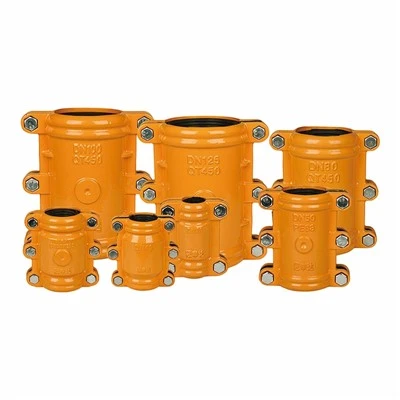
At the end of the day, pipe repair clamps are simple tools, but they make a huge difference in keeping pipes working and preventing costly damage. Proper storage isn’t rocket science—it’s about keeping them dry, cool, protected from damage, and organized. If you’re looking for high-quality pipe repair clamps that are built to last, whether for one job or long-term storage, our team can help you find the right products for your needs. We work with contractors, maintenance teams, and DIYers, and we’re here to answer any questions you have about product selection, storage, or installation. Reach out to our team to discuss your pipe repair needs, and we’ll help you get set up with the right clamps and advice to keep your projects running smoothly, no matter how long you need to store them.
Multi-function Repair Clamp References
- Plumbing-Heating-Cooling Contractors Association. (2020). Storage and Handling of Plumbing Components. PHCC Educational Foundation.
- ASTM International. (2018). Standard Practice for Storage of Metal Products for Construction. ASTM A123/A123M.
- Rubber Manufacturers Association. (2019). Care and Storage of Elastomeric Gaskets for Pipe Fittings. RMA Technical Bulletin 102.
- National Institute of Building Sciences. (2021). Moisture Control in Construction Materials and Components. NIBS Whole Building Design Guide.
- Stainless Steel Fabricators Association. (2020). Galvanic Corrosion Prevention for Metal Assemblies. SSFA Technical Note 007.
Fujian Fufa Valve Manufacturing Co., Ltd.
As one of the most professional pipe repair clamp manufacturers and suppliers in China, we’re featured by quality products and good price. Please rest assured to buy durable pipe repair clamp made in China here from our factory. Welcome to view our website for more information.
Address: Meilin Xikou Industrial Zone, Nan’an City, Quanzhou City, Fujian Province
E-mail: hongwenjin@fufafamen.cn
WebSite: https://www.fufavalve.com/
