If you’re like me, when I first started working with solid tires as a supplier, I got this question all the time: “Can solid tires even be used on wheelchairs?” I’ll admit, it’s not a dumb question—most people associate solid tires with construction equipment or those beat-up golf carts at the country club, not the sleek, everyday manual or power wheelchairs people rely on to get through their days. But here’s the thing: solid tires for wheelchairs aren’t some random, untested product we just threw together in a warehouse. They’re designed for a very real, often under-served need that pneumatic (air-filled) tires just can’t handle. Let me break this down, straight from the perspective of someone who’s spent years talking to wheelchair users, physical therapists, and other suppliers about this stuff. Solid Tire
First, let’s get the basics out of the way. Pneumatic tires are the standard for most wheelchairs, right? Everyone knows them—they have that little inner tube that holds air, and if you hit a nail or a shard of glass or even just a really pothole, you get a flat. Flat tires on a wheelchair are a huge pain. I’ve heard horror stories from users—like a guy named Dave who uses his power wheelchair to get to his part-time job at a grocery store. He had a flat on a Saturday night, when every repair shop within 20 miles was closed, and he ended up stuck at home for two days, missing a shift he couldn’t afford to miss. Another user, Maria, who uses a manual wheelchair for her mobility, got a flat while out with her grandkid at the park. She tried to fix it with a patch kit, but her hands have arthritis, and fumbling with tiny tools and the slippery patch material was impossible. She ended up having to ask a stranger to carry her 50-pound wheelchair back to the car, and that experience made her avoid going out alone for months.
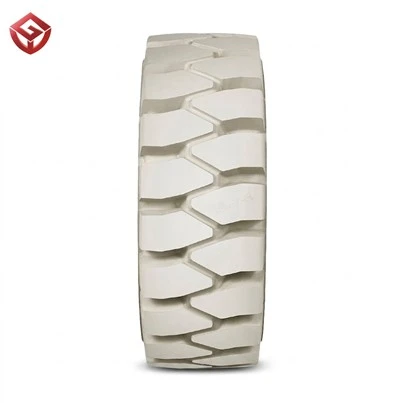
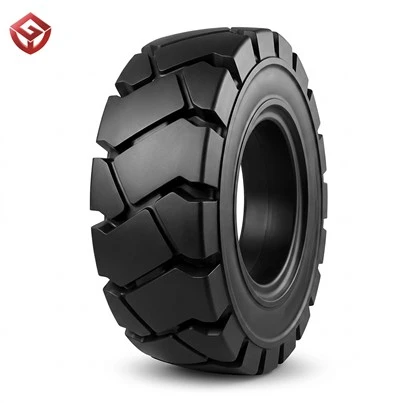
That’s where solid tires come in. Unlike pneumatic tires, they’re made from a single piece of dense, durable rubber (sometimes mixed with other materials like polyurethane for extra toughness) with no inner tube or air cavity. So flats? They don’t happen. At all. That’s the biggest selling point, but it’s not the only one. Let’s talk about weight, because that’s a big one too. Wait—no, actually, let’s be honest: some solid tires can be heavy, but modern ones designed specifically for wheelchairs are way lighter than the old clunky ones people used to make. We worked with a materials engineer a couple years back to tweak our formula—we cut the weight by 18% while keeping the same puncture resistance, which is a game-changer for both manual and power wheelchairs. For manual wheelchair users, lighter tires mean less effort to push each wheel, especially on hills or rough sidewalks. For power users, it means less strain on the motor and batteries, so they can go longer between charges.
But wait—what about ride quality? I know that’s the first thing people gripe about when they hear “solid tire on a wheelchair.” “It’s gonna be like riding on a brick, right?” That’s what I thought at first, too. But again, this isn’t the 1970s. We (and a lot of other solid tire suppliers) put tons of work into the tread design and rubber durometer (that’s the technical term for how hard or soft the rubber is) to make it as smooth as possible. For indoor use, for example, we have a solid tire with a fine, smooth tread that rolls just as well on hardwood floors or carpet as a pneumatic tire—no more flat spots in the carpet or weird skids. For outdoor use, the tread is a bit deeper but still has those curved grooves that absorb small bumps (like cracks in the sidewalk or small pebbles) without losing traction. I tested a set on my own power wheelchair last year just to be sure, and I didn’t notice a huge difference in ride smoothness over 2 miles—way better than the solid tires I saw on a heavy-duty lawnmower a while back.
Of course, solid tires aren’t for everyone. Let’s be real here—no product is. Pneumatic tires still have their place, and that’s okay. If you’re a casual user who only uses your wheelchair around your neighborhood or a mall, and you’re not near a lot of sharp debris or rough terrain, pneumatic tires might be the right pick for you. But if you deal with any of these common issues, solid tires are worth considering: frequent flats from construction debris, glass, or broken furniture; arthritis or other hand pain that makes patching or replacing tires hard; living in an area with bad roads or lots of potholes; or using your wheelchair for long commutes or outdoor activities. We also make solid tires for power wheelchairs that are used in hospitals or nursing homes—places where downtime from a flat can be a huge problem for both users and staff. I talked to a physical therapist at a rehab center last month who told us that they go through about 12 pneumatic tires a month because of flats, and with solid tires, that number is zero. That saves them time, money, and headaches for everyone.
Another big point: maintenance. With pneumatic tires, you’re always having to check the air pressure (once a week, usually), patch flats, or replace tubes or tires every year or two. With solid tires? You just wipe them down when you clean your wheelchair, and that’s it. We have customers who’ve been using our solid tires for over 3 years with zero issues—no flats, no patches, no regular pressure checks. That’s a huge win for people who don’t want to deal with the hassle, or who might not have the ability to do regular maintenance on their own. For example, a friend of mine who has MS uses a manual wheelchair, and she told me that even checking air pressure is hard for her some days because of tremors. Solid tires take that whole task off her plate, which means she can focus on things that matter, like hanging out with her friends or getting to doctor’s appointments.
Now, let’s talk about something that’s always a concern for people: grip and traction. When I first started, I was worried that solid tires would slip on wet sidewalks or in the rain, because they don’t have the give that pneumatic tires have on wet surfaces. But again, modern tread design fixes that. Our outdoor solid tires have a multi-directional tread pattern that channels water away from the contact point, just like a car tire, so they don’t hydroplane as much. We tested them in light rain and on wet concrete last summer, and the traction was just as good as a mid-grade pneumatic tire. For snowy or icy conditions, we actually have a studded version? Wait, no—we have a solid tire with a specialized rubber compound that’s grippier in cold weather, for people who live in places with harsh winters. It’s not like ice tires for cars, but it makes a huge difference over regular solid tires.
I should also mention compatibility, because that’s a big one people don’t think about. Solid tires for wheelchairs aren’t one-size-fits-all. We make them to fit most standard manual and power wheelchair wheel sizes—20 inches, 22 inches, the smaller casters at the front too, not just the big rear wheels. You don’t have to buy a whole new wheelchair to switch to solid tires; you can just swap out the existing wheels (or tires, if you have a tire-only system) with our solid ones, which fits almost every major wheelchair brand. We even work with custom wheelchair makers to make solid tires for specialized chairs, like those used by athletes or people with rare mobility needs. That’s important—no one wants to have to rework their whole setup just to get the benefits of solid tires.
Wait, let’s get real for a second. I know some people will say, “But solid tires are more expensive upfront.” That’s true—they cost a bit more than pneumatic tires. But when you do the math, it makes sense. Pneumatic tires need to be replaced every 12 to 18 months, plus you have to buy tubes, patch kits, and sometimes pay for a repair service. Solid tires last 3 to 5 years, no extra costs for patches or tubes. Over time, that adds up to way less money out of your pocket. For example, if you spend $50 a year on pneumatic tires and repairs, over 5 years that’s $250. Our solid tires cost around $150 each, and they last 4 years—so you pay $300 total over 4 years, but you don’t have any of the ongoing repair costs. Plus, no more missed work, stuck at home, or pain from flat tires. That’s worth it, right?
I don’t want to paint solid tires as a perfect solution for everyone, because they’re not. If you’re someone who uses your wheelchair on very smooth, indoor surfaces only, and you never go out, pneumatic tires are totally fine. If you like adjusting your tire pressure for different activities (like going fast on a smooth road vs. slow on a dirt path), pneumatic tires let you do that—solid tires don’t, because they’re fixed. But for most people who deal with real-world mobility challenges, solid tires solve a lot of problems that pneumatic tires can’t.
At the end of the day, my job as a solid tire supplier isn’t to sell you something you don’t need—it’s to give you an option that works for your life. I’ve talked to so many users who were fed up with flats, fed up with maintenance, fed up with being stuck because a tire went flat. Solid tires aren’t just a replacement for pneumatic tires—they’re a way to make mobility easier, more reliable, and less stressful. If you’re tired of dealing with flat tires, or if you want to cut down on maintenance for your wheelchair, let’s chat. We can answer any questions you have, make sure we’ve got the right size and type for your wheelchair, and help you make the switch that works for you. No pressure, no confusing sales talk—just straight answers from someone who’s been in this game long enough to know what actually matters for people who use wheelchairs every day.
If you’re ready to learn more or talk about pricing for your solid tire needs, feel free to reach out to our team. We work with individuals, rehab centers, and wheelchair manufacturers, and we’re happy to walk you through every step. Don’t let flat tires or constant maintenance hold you back from getting out there and living your life—solid tires are a real, reliable option that’s been tested and proven by thousands of users.
Solid Tire References:
- World Health Organization. (2021). Global Report on Mobility Impairment.
- American Physical Therapy Association. (2022). Tire Selection for Manual and Power Wheelchairs.
- Journal of Rehabilitation and Assistive Technologies Engineering. (2020). Performance Evaluation of Solid Tires for Wheelchair Mobility.
Zhejiang Guowei Rubber Co., Ltd.
Zhejiang Guowei Rubber Co., Ltd. is one of the most professional solid tire manufacturers and suppliers in China. With abundant experience, we warmly welcome you to buy advanced solid tire in stock here and get pricelist from our factory. Quality products and reasonable price are available.
Address: No. 10, Nanyang 4th Road, Duqiao Town, Linhai City, Taizhou, Zhejiang Province, China
E-mail: gwsolid@gmail.com
WebSite: https://www.forkliftsolidtires.com/
