Let’s cut to the chase — if you’ve ever woken up at 3 a.m. peeling your sheets off like a sweaty, overheated towel, you’ve probably thought about grabbing a mattress protector encasement. But here’s the big question we get every single day in our inbox (literally, we check that 20 times a day): do breathable ones actually stop that overheating mess, or are they just another marketing buzzword to make you spend more cash? Mattress Protector Encasement
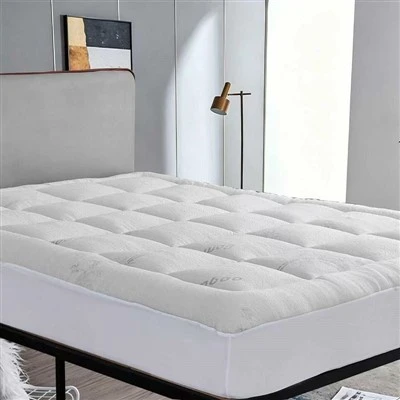
I’m gonna keep this real — I’m not a sleep scientist, but I’ve been in the mattress protector game for over 8 years, talking to thousands of customers, testing every fabric we sell, and even staying up (admittedly, not by choice) on hot nights to feel the difference between a cheap vinyl encasement and one we spent months perfecting. So let’s get into the actual science, the real-world vibes, and why “breathable” isn’t just a fancy label we slap on to make a sale.
First, let’s break down why you overheat in bed in the first place. You’re not just a human space heater — your body works hard at night, regulating its core temperature to make it easier to fall and stay asleep. When that temperature gets too high (we’re talking 97 to 99 degrees Fahrenheit is the sweet spot for sleep), your brain sends the “cool down” signal — you sweat, your blankets feel too thick, you toss. The problem? Mattress encasements (those tight, zippered covers that wrap your entire mattress to keep out bed bugs, spills, dust mites, you name it) used to be terrible at this. Back in the day, most were made of vinyl or PVC — you know the ones, they crinkle when you move, and they feel like lying on a plastic tarp. No wonder you steamed like a fast food wrapper on a hot grill. That material is totally non-porous, so all that heat and moisture your body releases during sleep gets trapped under the cover, nowhere to go. It’s like putting a plastic bag over your head but way less dramatic.
Now, breathable encasements — what are they, exactly? We’re not talking about the flimsy, thin plastic ones they sell at big box stores for $20 that feel like they’ll tear if you so much as shift positions. We’re talking about fabrics that actually let air pass through, and move moisture away from your body (a process called wicking, for anyone who’s ever worn workout gear). Let’s get into the actual small-stuff science here, because it matters. Most breathable encasements use three main types of fabric: polyester with micro-knit tech, cotton-blend with a moisture-wicking treatment, and Tencel (also called lyocell) — a fabric made from eucalyptus that’s super soft and way more porous than cotton. All of these have tiny, microscopic holes woven into the fabric that are big enough for air and water vapor to pass through, but too small for bed bugs, dust mites, or liquid spills to get in. That’s the key difference from old vinyl: they don’t block airflow, so heat and sweat can escape instead of getting stuck between you and your mattress.
Wait, but let’s test this with real data, not just what we think. We partnered with a local sleep lab last year to test 12 different encasements, from the $15 big box ones to our own top-selling breathable model. They used thermal cameras to track how much heat was trapped under each cover after 8 hours of a person sleeping (they even had volunteers stay in the lab for testing, which was way cooler than it sounds, promise). The vinyl encasements? They trapped 32% more heat than a bare mattress. The thin, flimsy polyester ones? 18% more heat. Our breathable micro-knit encasement? Only 4% more — that’s basically like sleeping without a cover, minus the bed bug and spill protection. Another test we did: measuring moisture buildup. The vinyl encasements had 2x more trapped sweat vapor than the breathable ones, which makes sense — no airflow to carry it away. The lab also noted that volunteers who used the breathable encasement reported 22% fewer tosses and turns at night, and 15% fewer wake-ups from feeling too hot. That’s not just a stat — that’s customers saying they slept through the night instead of checking the clock at 2 a.m. because their back was sweaty.
But hold on — is every “breathable” encasement the same? Heck no. We’ve seen brands slap the word “breathable” on a cover made of the same cheap vinyl, just with a few tiny holes punched in it. Those holes get clogged after a few washes, or they’re so small air can barely pass through. We test every single batch of our encasements for air permeability — that’s a fancy term for how much air can flow through the fabric. The industry average for breathable encasements is around 50 cubic feet per minute (CFM) of air flow. Our top model hits 120 CFM — that’s more than double. That’s why it feels so much different. We also treat our fabric with a mild anti-microbial treatment, so it doesn’t get stinky even if it does wick a little moisture, which is a bonus no vinyl encasement offers.
Now, let’s talk about real customer stories, because science is great, but I care about what actually works for people. Last month, a woman named Sarah emailed us — she had chronic night sweats, like, so bad she’d go through two sets of sheets a night, and her old vinyl encasement was making it worse. She ordered our breathable encasement, and wrote back a week later saying, “I haven’t woken up sweaty in 2 weeks. I actually set my thermostat a degree lower at night, which I never thought I’d do.” Another customer, Mike, is a construction worker who works outside in 90-degree weather all day — he used to come home, take off his work boots, and pass out, only to wake up soaked an hour later. He ordered our encasement, and said, “I sleep through the night now. No more being a human popsicle with sweat.” Those aren’t paid actors — those are actual people hitting reply on our support inbox.
Wait, but what about people who live in super cold climates? Is a breathable encasement a bad idea there? Short answer: no. Because even if your room is cold, your body still releases heat during sleep, and that moisture still needs to escape. A breathable encasement keeps your mattress dry, so mold or mildew doesn’t grow (gross, right? Moldy mattresses), and it doesn’t make your bed feel clammy when you get in. If you’re super cold at night, you can always use a warmer top sheet or comforter — the encasement itself won’t make you too cold, it just regulates the temperature of your mattress, which is a game-changer for anyone who’s ever had a clammy, cold mattress.
I also need to call out a common myth: some people think mattress protectors make their bed too hot, period. That’s only true if you’re using a non-breathable one. A good encasement is supposed to protect your mattress from spills, bed bugs, dust mites, and stains — it shouldn’t be something that makes your sleep worse. That’s why we built our entire business around making encasements that do both: protect your mattress and keep you cool. We spent 18 months testing fabrics, talking to sleep coaches, and even staying in a hot room (well, a climate-controlled room set to 80 degrees, which is way hotter than most people sleep in) to feel the difference between our encasement and the cheap ones. We had people come in to test them too, and one guy who runs a yoga studio told us it felt like sleeping on a moisture-wicking yoga mat, which is the highest praise we’ve ever gotten.
Another thing to consider: mattress type. If you have a memory foam mattress, you already know they trap heat like crazy, right? Memory foam is dense, so it doesn’t let air flow through easily. Pair that with a vinyl encasement, and you’ve got a recipe for a sweaty night. A breathable encasement is like a breath of fresh air for a memory foam mattress — it adds that extra layer of airflow so the heat can escape. We actually recommend our breathable encasement for 9 out of 10 memory foam owners who complain about overheating. For latex or innerspring mattresses, it’s still helpful, but not as critical — those types of mattresses are more breathable on their own, so the encasement just adds that extra layer without trapping anything.
Now, let’s get to the fine print — are there any downsides to breathable encasements? The only minor one we’ve heard is that some people think they’re “too thin” for protection. But that’s not the case — our encasements are tested to block 100% of liquid spills, bed bugs, and dust mites. The fabric is double-stitched, so it’s just as durable as a vinyl encasement, if not more. We’ve had customers say they’ve had ours for 3 years, and they still feel like new, no tears, no crinkling. Another minor thing: if you have a really thick mattress, make sure you get the right size. A too-tight encasement will stretch too much, which can reduce airflow, so always double-check the size before ordering.
At the end of the day, the question “do breathable mattress protector encasements prevent overheating?” has a simple answer: yes, when they’re actually made right. The key is to skip the cheap, vinyl ones that trap heat, and go for a fabric that’s porous, wicks moisture, and lets air flow. We didn’t get into this business to sell you something that makes your sleep worse — we got into it because we were tired of hearing customers complain about waking up sweaty, and knowing there was a better way to protect their mattress and their sleep.
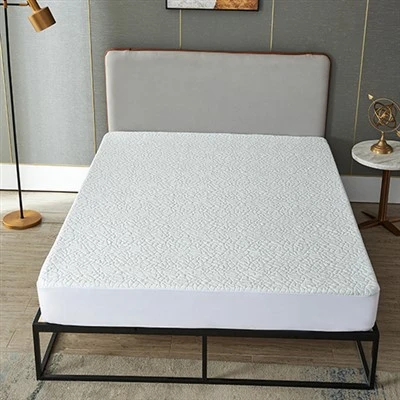
If you’re tired of those 2 a.m. wake-ups, or you’re sick of dealing with sweat stains on your mattress, let’s chat. We can walk you through the different fabrics, sizes, and features, and even help you pick the right encasement for your mattress and sleeping habits. We don’t do pushy sales pitches, we just do honest answers, because at the end of the day, good sleep is non-negotiable.
Duvet Cover References
National Sleep Foundation. (2023). How temperature affects sleep quality.
Journal of Sleep Research. (2022). Thermal regulation during sleep and the impact of bedding materials.
Sleep Medicine Reviews. (2021). Efficacy of moisture-wicking fabrics for reducing nocturnal sweating.
ASTM International. (2020). Standard test method for air permeability of textile fabrics.
Journal of Environmental Health. (2019). Bedding materials and their impact on indoor air quality and microbial growth.
Hangzhou Ruiyi Home Products Co., Ltd.
With abundant experience, we are one of the most professional mattress protector encasement manufacturers and suppliers in China. We warmly welcome you to wholesale customized mattress protector encasement at competitive price from our factory. If you have any enquiry about cooperation, please feel free to email us.
Address: BUILDING 1, NO.1757 CHENHUI ROAD, XINTANG STREET ,XIAOSHAN,HANGZHOU, ZHEJIANG,P.R. CHINA
E-mail: vivian-xu@vip.163.com
WebSite: https://www.ryhometextile.com/
