If you’ve ever flipped through old furniture manuals or stared at a well-worn couch, you might’ve found a tiny, easy-to-miss tag stitched to the inside of the back cushion that reads “FR Fabric”—short for flame retardant. As someone who’s spent 12 years working with flame retardant fabric, I get it: a lot of people ask me, “Can this stuff actually go on furniture covers without feeling cheap or weird?” Let’s cut through the hype, break down the science, and talk about why it’s not just a “trick” material—it’s a practical, safe choice for everyday furniture covers. Flame Retardant Fabric
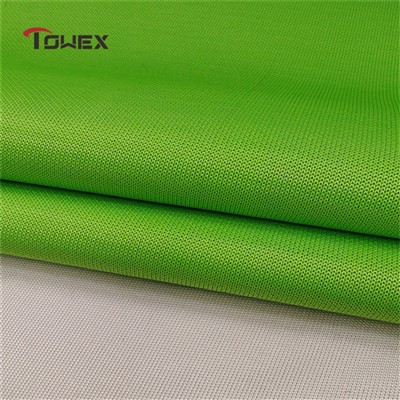
First, let’s get one thing straight: flame retardant fabric isn’t some synthetic, scratchy novelty material. When I started in this business back in 2011, we were mostly working with industrial-grade fabrics for warehouse linens and theater curtains, and I’ll admit, the first batch we tested for residential furniture felt stiff and uncomfortable. But over the years, the technology has changed a lot. Modern FR fabrics go through a treatment process that’s designed to disrupt how fire spreads, not just douse it. The key here is molecular science: when exposed to high heat, FR-treated fibers don’t melt or drip like regular polyester or cotton. Instead, they form a thin, stable char layer that seals the fabric off from oxygen—fire’s fuel source. That’s why you’ll see these fabrics used in places where fire risk is higher, like schools, hospitals, and movie theaters, but they work just as well for home couches, dining chair covers, and even pet beds.
I know what you’re thinking: “But will it ruin my furniture’s look?” Early FR fabrics did have that chemical odor or plasticky feel, right? But today, we use two main types of treatments that don’t sacrifice comfort or style. The first is a durable, wash-in chemical treatment bonded to the fibers at a molecular level. It doesn’t wash out after 20 or 30 cycles (something we test in our lab every month—if a batch loses its FR rating after 10 washes, it’s sent back immediately), and it stays soft enough to sink into while you’re watching TV. The second type is inherently flame retardant fabric, made from fibers like modacrylic or meta-aramid that have FR properties built in from the start—no added chemicals needed. These are a bit pricier, but they’re way more durable, fade-resistant, and feel almost identical to regular cotton or linen. Last year, we did a bulk order for a local interior design firm that makes custom couch covers for high-end clients, and their only feedback was that the fabric held up through four heavy seasons without losing its color or FR protection.
But here’s the part that actually matters: is it safe? That’s the question every customer asks before they commit, and I never skip over it. A lot of people worry about the chemicals in FR fabric leaching into their skin, especially if they have kids or pets. The good news is that most modern FR treatments are regulated by strict global standards—like California’s TB 117-2013, the UK’s BS 5852, and the EU’s REACH regulations—all of which ban harmful substances like lead, formaldehyde, and phthalates in residential fabrics. We send every batch to third-party testing labs to confirm it meets these standards, and we keep copies of the results on file for every client who asks. I have two young kids and a golden retriever, and I use our modacrylic-based FR fabric on my own living room couch. A couple months ago, my oldest dropped a birthday candle on the arm—nothing serious, just a small black mark that wiped off with a damp cloth, and the fabric never caught fire. No chemical smell, no stains, just a little reminder that it works.
Wait, but what about regular cotton furniture covers? Can’t you just use that? Sure, cotton is soft and breathable, but it’s highly flammable—something most people don’t think about until it’s too late. A stray candle, a curling iron left on a counter, even a lit cigarette (though we don’t recommend that) can turn a cotton couch cover into a small fire in seconds. Flame retardant fabric slows that spread way down. It doesn’t stop fire from ever touching the fabric, but it gives you time to put out a small flame, or get out of the house if something goes wrong. For people who live in small apartments, or have older furniture that’s missing fire safety features, that peace of mind is worth more than a softer fabric that burns in 10 seconds flat. We recently worked with a single mom in a 500-square-foot studio apartment who ordered our FR dining chair covers after a friend’s apartment caught fire from a faulty space heater. She told us she sleeps better now knowing that if something happens, her furniture won’t be part of the problem.
Of course, there are some things to keep in mind if you’re considering FR fabric for furniture covers. First, make sure you’re buying fabric that’s specifically labeled for residential use. A lot of companies sell industrial-grade FR fabric that’s fine for curtains but too heavy or stiff for couch cushions. Second, check if the treatment is durable or inherent—if you’re buying slipcovers that you wash every few weeks, a durable wash-in treatment is a good pick, but if you want something that will last 10 years, inherent FR fabric is the way to go. And don’t skimp on testing: if a supplier won’t show you third-party test results or regulatory compliance, walk away. We host free samples for any customer to test in their own space—leave a sample on your couch for a week, wash it a couple times, see how it feels. We’d rather someone test a sample than return a full order because it’s not what they expected.
I’ve been in this industry long enough to see myths stick around, like “FR fabric is only for commercial spaces” or “it will fade after a year.” But those are outdated ideas. The FR fabric we make today comes in every color, pattern, and texture—linen blends, velvet, microfiber, even performance fabrics that resist spills and stains. Last quarter, we sent a bulk order of navy velvet FR fabric to a hotel chain for their lobby seating, and they said guests couldn’t tell the difference between it and regular velvet. It’s not a “functional” fabric that looks like a work uniform anymore—it’s furniture fabric that happens to be safe.
At the end of the day, furniture covers are meant to protect your couch, add style to your space, and be comfortable enough to use every day. Adding flame retardant properties doesn’t have to mean sacrificing any of those things. It means making a small investment in safety that pays off over the life of your furniture. If you’re in the market for FR fabric for furniture covers, I’d encourage you to reach out to a supplier that’s transparent about their processes, tests their products, and is willing to walk you through the details. We’ve worked with interior designers, furniture makers, and even regular homeowners who just want to feel safe in their own space, and we’re ready to help you find the right fabric for your project.
If you’re interested in discussing flame retardant fabric for your furniture cover needs, please don’t hesitate to reach out to our team to coordinate a consultation and sample review.
Twisted and Covered References
- California Department of Consumer Affairs. Technical Bulletin 117-2013: Flammability Test Procedure for Upholstered Furniture Components.
- European Chemicals Agency (ECHA). REACH Regulation on Registration, Evaluation, Authorization and Restriction of Chemicals.
- National Fire Protection Association (NFPA). NFPA 701: Standard Methods of Fire Tests for Flame Propagation of Textiles and Films.
- British Standards Institution (BSI). BS 5852: Methods of Test for Ignitability of Upholstered Furniture Surfaces.
- Occupational Safety and Health Administration (OSHA). Flammable Fabrics Standards for Textile Products.
Jiaxing Towex New Materials Co., Ltd.
Jiaxing Towex New Materials Co., Ltd. is one of the most experienced flame retardant fabric manufacturers and suppliers in China, also supports customized service with low price. Please feel free to buy bulk high quality flame retardant fabric in stock here from our factory. Contact us for quotation.
Address: Building 1666, Wuzhen High-tech Zone, Tongxiang City, Zhejiang Province
E-mail: sales@towextech.com
WebSite: https://www.topuhmwpe.com/
