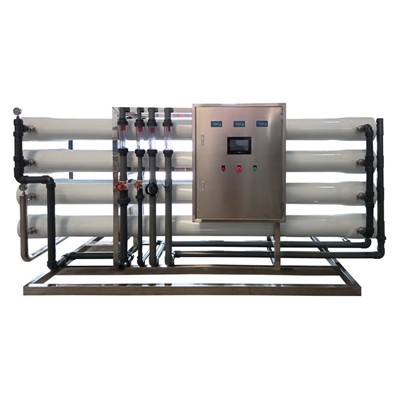
Hey there! If you’re in the industrial water treatment game, you probably know how crucial a Reverse Osmosis (RO) membrane is for your RO equipment. As an industrial RO equipment supplier, I’ve seen firsthand how a properly installed RO membrane can make all the difference in your system’s performance. So, let’s dive into how you can install an RO membrane in industrial RO equipment. Industrial RO Equipment
Before You Start
First things first, you gotta prepare. It’s like when you’re about to cook a fancy meal; you gather all your ingredients and tools. For the RO membrane installation, here’s what you need:
Membrane and Parts: Make sure you’ve got the right RO membrane for your equipment. Check the dimensions, specifications, and compatibility. Usually, the manufacturer will provide all the details you need. Along with the membrane, you’ll also need O – rings. These are small but important, as they create a seal and prevent leaks.
Tools: You’ll need some basic tools, like a soft – faced mallet and a membrane loading tool. The loading tool can really help you get the membrane into the pressure vessel without damaging it. And don’t forget a clean, lint – free cloth to wipe things down.
Safety Gear: Safety is no joke. Wear gloves to protect your hands from any chemicals or sharp edges, and safety goggles to keep your eyes safe from debris.
Pre – installation Checks
Once you’ve got everything ready, it’s time for some pre – installation checks. You wouldn’t want to start the installation only to find out there’s a problem with the equipment.
Inspect the Membrane: Take a good look at the RO membrane. Check for any visible damage, such as scratches or tears. If you find any issues, contact the supplier right away. A damaged membrane won’t work properly and may even cause problems in your system later.
Check the Pressure Vessel: Look inside the pressure vessel where the membrane will go. Make sure it’s clean and free of any debris. You can use a clean cloth to wipe it down. Also, check for any signs of corrosion or damage. If there’s something wrong with the pressure vessel, it needs to be fixed or replaced before you install the membrane.
Installation Process
Now, let’s get to the actual installation.
Prepare the O – rings: Start by taking the O – rings that came with the membrane. Apply a thin layer of a suitable lubricant to the O – rings. This will make it easier to insert the membrane into the pressure vessel and ensure a good seal. But don’t use just any lubricant. Make sure it’s approved for use with RO membranes, as some lubricants can damage the membrane.
Load the Membrane: Grab your membrane loading tool and carefully place the membrane inside. Align it with the opening of the pressure vessel. Gently push the membrane into the vessel using the loading tool. If it gets stuck, don’t force it. Check if it’s properly aligned or if there’s any debris blocking the way. You can also use a soft – faced mallet to give it a gentle tap, but be really careful not to hit it too hard.
Connect the Ports: Once the membrane is inside the pressure vessel, it’s time to connect the ports. There are usually three ports on the RO membrane: the feed water port, the permeate port, and the concentrate port. Make sure you connect the hoses to the correct ports according to the manufacturer’s instructions. Double – check the connections to make sure they’re tight and there are no leaks.
Post – installation Checks
After you’ve installed the membrane, there are a few more things you need to do.
Pressure Test: Start by slowly increasing the pressure in the system. This allows the RO membrane to seat properly and the O – rings to form a good seal. Keep an eye on the pressure gauge and make sure the pressure doesn’t exceed the recommended level. If you notice any abnormal pressure drops or leaks, stop the test immediately and check the connections.
Quality Testing: Once the pressure is stable, start collecting samples of the permeate and concentrate water. Analyze the water quality using appropriate testing equipment. Check for parameters like conductivity, TDS (Total Dissolved Solids), and pH. If the water quality doesn’t meet the expected standards, there could be an issue with the membrane installation or the membrane itself.
Troubleshooting
Even if you’ve followed all the steps correctly, you might run into some problems.
Low Water Production: If you’re getting less water than expected, it could be due to a clogged membrane. This can happen if there’s a lot of sediment or debris in the feed water. You may need to clean or replace the pre – filters to prevent this from happening.
High TDS in the Permeate: If the TDS in the permeate water is too high, it could mean there’s a problem with the membrane or the seals. Check the O – rings to make sure they’re properly installed and not damaged. If the problem persists, the membrane might be defective, and you may need to replace it.
Maintenance Tips
To keep your RO membrane in good shape and ensure long – term performance, you need to do some regular maintenance.
Cleaning: Regularly clean the pre – filters to prevent debris from reaching the membrane. You can also perform chemical cleaning on the membrane periodically. But make sure you use the right cleaning chemicals and follow the manufacturer’s instructions.
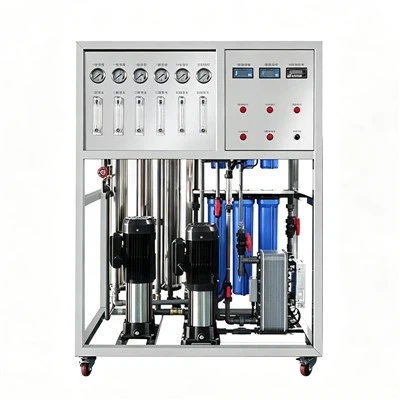
Monitoring: Keep an eye on the water quality and system performance. Monitor parameters like pressure, flow rate, and TDS regularly. Any sudden changes could indicate a problem that needs to be addressed.
Conclusion
Deionized Water System Installing an RO membrane in industrial RO equipment isn’t rocket science, but it does require some attention to detail. By following these steps, you can ensure that your RO membrane is installed correctly and your system runs smoothly. If you have any questions or need help with RO equipment, don’t hesitate to reach out. Whether you’re looking to install a new RO membrane or upgrade your entire RO system, we’re here to assist you. Contact us to start a discussion about your industrial water treatment needs and explore the best solutions for your business.
References
- "Reverse Osmosis Systems Operation & Maintenance Manual", several well – known RO equipment manufacturers
- Industry forums and communities where professionals share their RO membrane installation and maintenance experiences.
Shandong Yanuo Environmental Protection Equipment Co., Ltd.
We’re well-known as one of the leading industrial ro equipment manufacturers and suppliers in China, featured by quality products and good price. Please rest assured to buy bulk industrial ro equipment made in China here from our factory. Customized orders are welcome.
Address: North Side of the Road, 1,000 Meters West of the Intersection of Fenghuangshan West Road and Provincial Highway S102, Wangfu Subdistrict, Qingzhou City, Weifang City, Shandong Province.
E-mail: ynhb.499973983@gmail.com
WebSite: https://www.zkyaruo.com/
