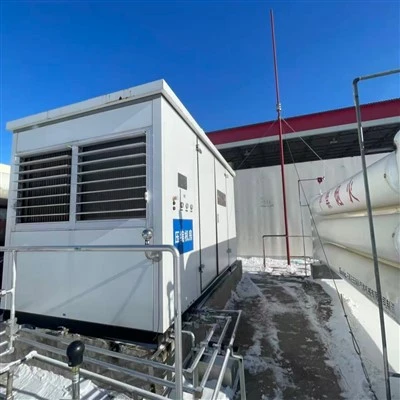
Hey there! I’m a supplier of CNG booster compressors, and I’ve seen firsthand how important it is to comply with regulatory requirements when using these machines. In this blog post, I’ll share some tips and insights on how to ensure that your CNG booster compressor operates within the legal framework. CNG Booster Compressor
Understanding the Regulatory Landscape
First things first, you need to have a good grasp of the regulatory requirements that apply to CNG booster compressors. These regulations can vary depending on your location, the type of compressor you’re using, and the intended application. For example, in the United States, the Department of Transportation (DOT) and the Occupational Safety and Health Administration (OSHA) have specific rules and standards for CNG equipment.
One of the key regulations you need to be aware of is the National Fire Protection Association (NFPA) 52 standard. This standard covers the installation, operation, and maintenance of CNG systems, including booster compressors. It sets out requirements for things like compressor location, ventilation, electrical systems, and safety devices.
Another important regulation is the Environmental Protection Agency (EPA) Clean Air Act. This act regulates emissions from CNG compressors and other equipment. You need to ensure that your compressor meets the EPA’s emission standards to avoid fines and other penalties.
Choosing the Right Compressor
When selecting a CNG booster compressor, it’s crucial to choose one that is compliant with the relevant regulations. Look for compressors that are certified by recognized testing agencies, such as Underwriters Laboratories (UL) or the Compressed Gas Association (CGA). These certifications indicate that the compressor has been tested and meets the required safety and performance standards.
In addition to certification, you also need to consider the compressor’s capacity, pressure rating, and other specifications. Make sure that the compressor is suitable for your specific application and can handle the volume and pressure of CNG you need to compress.
Installation and Commissioning
Proper installation and commissioning of your CNG booster compressor are essential for compliance. You should hire a qualified installer who has experience working with CNG equipment and is familiar with the relevant regulations. The installer should follow the manufacturer’s instructions and the applicable codes and standards.
During the installation process, the installer should perform a thorough inspection of the compressor and all associated components. They should check for any leaks, damage, or other issues that could affect the compressor’s performance or safety. Once the installation is complete, the installer should conduct a commissioning test to ensure that the compressor is operating properly.
Operation and Maintenance
Once your CNG booster compressor is up and running, you need to ensure that it is operated and maintained in accordance with the regulatory requirements. This includes following the manufacturer’s operating instructions, performing regular maintenance and inspections, and keeping accurate records.
When operating the compressor, you should monitor its performance closely and look for any signs of problems. If you notice any unusual noises, vibrations, or other issues, you should stop the compressor immediately and have it inspected by a qualified technician.
Regular maintenance is also crucial for ensuring the safe and efficient operation of your compressor. This includes tasks such as changing the oil, filters, and other components, as well as checking the compressor’s electrical and mechanical systems. You should follow the manufacturer’s recommended maintenance schedule and keep detailed records of all maintenance activities.
Training and Education
Proper training and education are essential for ensuring that your employees understand how to operate and maintain your CNG booster compressor safely and in compliance with the regulatory requirements. You should provide comprehensive training to all employees who will be working with the compressor, including operators, maintenance technicians, and supervisors.
The training should cover topics such as compressor operation, safety procedures, maintenance requirements, and regulatory compliance. It should also include hands-on training and practical exercises to ensure that employees are able to apply their knowledge in real-world situations.
Record-Keeping
Keeping accurate records is an important part of regulatory compliance. You should maintain detailed records of all aspects of your CNG booster compressor, including installation, commissioning, operation, maintenance, and inspections. These records should include dates, times, names of personnel involved, and any other relevant information.
The records should be kept in a secure location and be easily accessible in case of an audit or inspection. They can also be used to demonstrate compliance with the regulatory requirements and to identify any potential issues or areas for improvement.
Conclusion

Complying with the regulatory requirements when using a CNG booster compressor is essential for ensuring the safety of your employees, the environment, and the public. By understanding the regulatory landscape, choosing the right compressor, installing and commissioning it properly, operating and maintaining it in accordance with the regulations, providing training and education to your employees, and keeping accurate records, you can ensure that your compressor operates within the legal framework.
CNG Daughter Station If you’re in the market for a CNG booster compressor or have any questions about regulatory compliance, feel free to reach out to me. I’d be happy to help you find the right compressor for your needs and ensure that you’re operating it safely and in compliance with the regulations.
References
- National Fire Protection Association (NFPA) 52 Standard
- Environmental Protection Agency (EPA) Clean Air Act
- Underwriters Laboratories (UL) Certification
- Compressed Gas Association (CGA) Certification
Qingdao Lenado Intelligent Equipment Co., Ltd.
Qingdao Lenado Intelligent Equipment Co., Ltd. is one of the most experienced CNG booster compressor manufacturers and suppliers in China. We have world-leading production equipment and strong manufacturing capabilities. Please rest assured to wholesale bulk customized CNG booster compressor from our factory.
Address:
E-mail: genkegasstation@163.com
WebSite: https://www.cnggasstation.com/
